Kidnapped Dragons
After six failed timelines, the regressor Yu Jitae tries to prevent Earth's apocalypse by giving four young dragons a safe home, turning overwhelming power toward the harder work of guardianship, trust, and family.
- Author
- Yuzu
- Status
- Completed
About the novel
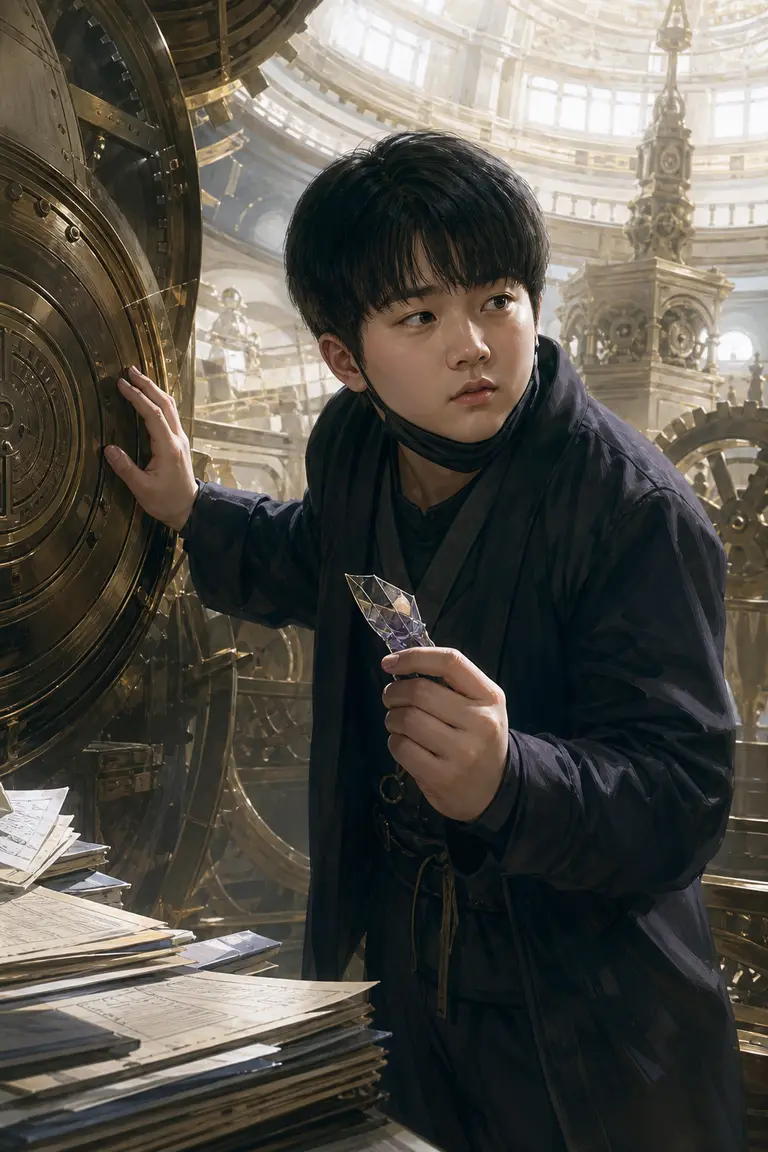
Yu Jitae has watched Earth end six times. Each apocalypse follows the deaths of young dragons who entered the human world for an Amusement, an independent journey meant to prepare them for adulthood. When a hatchling dies, the dragons of their home world eventually cross dimensions to exact revenge, and even the strongest human cannot defend an entire planet from them. At the beginning of the seventh iteration, Yu Jitae abandons the methods that failed before. He gathers the four hatchlings connected to the coming disaster—Bom, Yeorum, Kaeul, and Gyeoul—and places them under his protection in Unit 301.
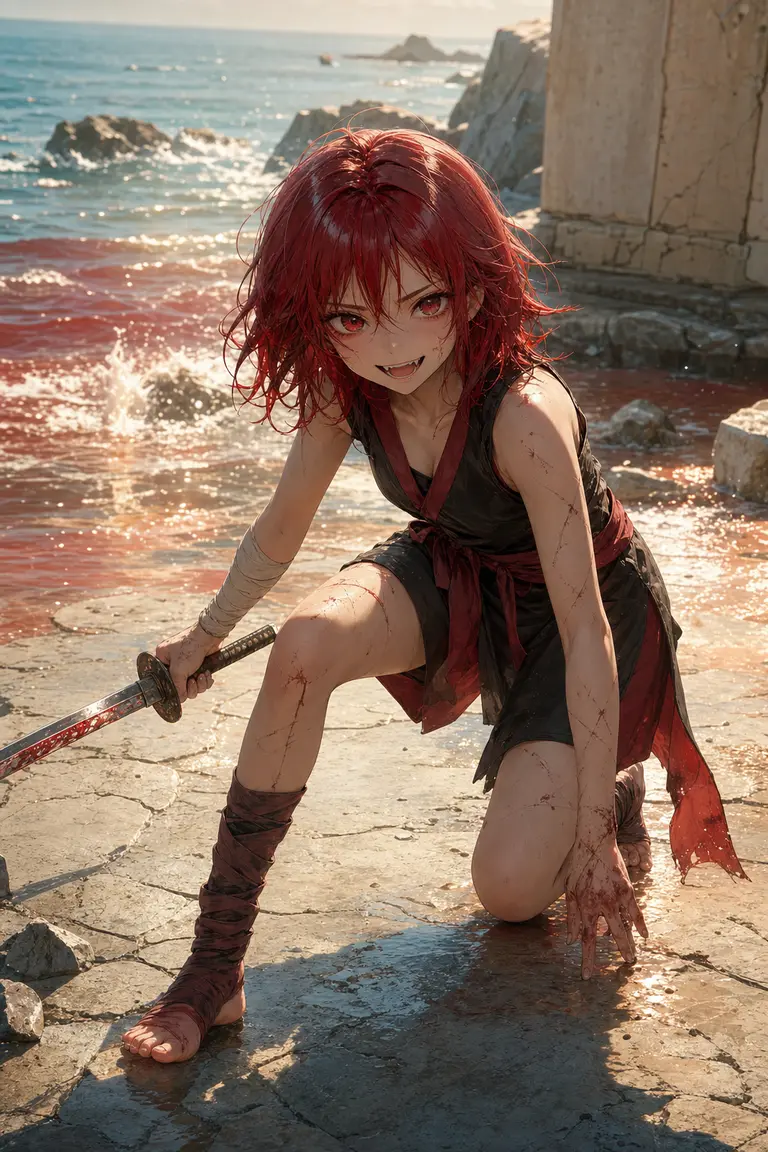
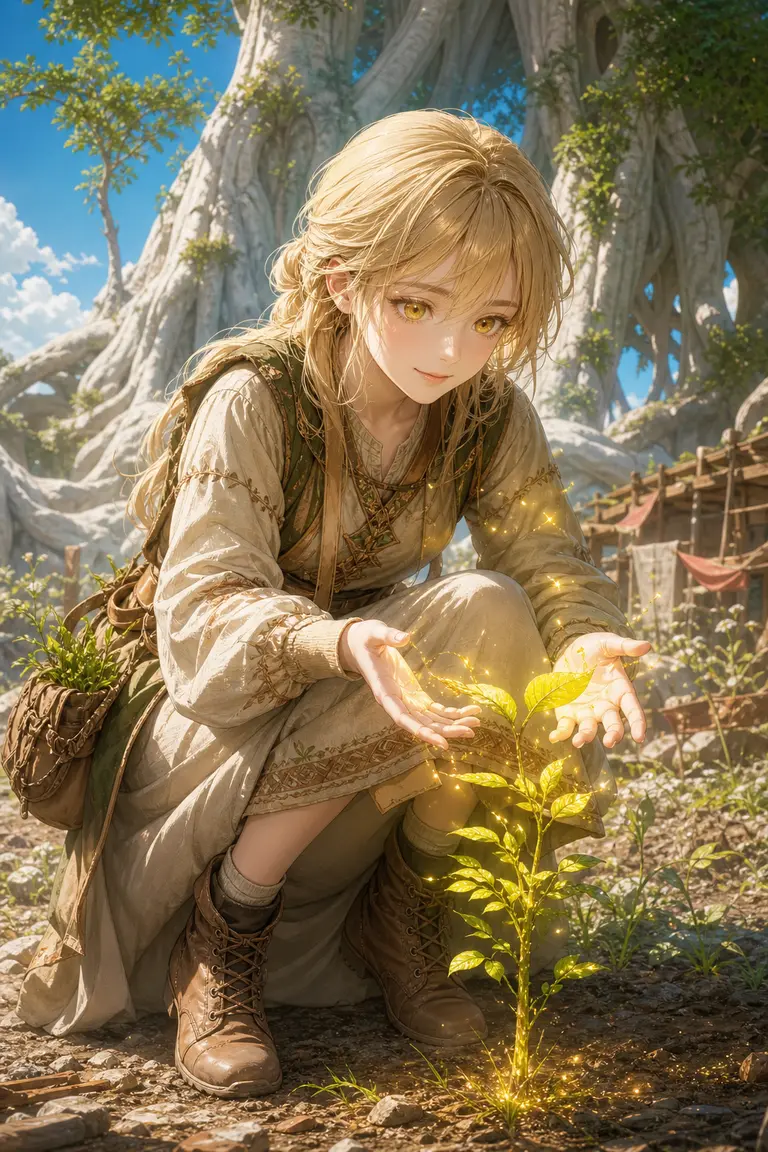
That decision turns an apocalyptic regression into a story of guardianship. Yu Jitae can defeat rankers, demons, and monsters, but the hatchlings do not principally need a jailer or weapon. They need a home in which Bom can confront what she sees in Providence, Yeorum can direct her need for battle without being consumed by it, Kaeul can discover an identity beyond other people's expectations, and Gyeoul can grow without losing the bonds that make her feel safe. Their life around the floating Academy City of Lair repeatedly forces Yu Jitae to replace control with patience, explanation, trust, and affection.
Domestic problems and world-scale threats remain inseparable. Lair's competitive cadet culture, the International Superhuman Association, abyssal demons, and the hidden history of the dragon races all pull at the household. The central tension is therefore not whether Yu Jitae has enough force to kill an enemy. It is whether people shaped by violence, prophecy, duty, and repeated loss can choose relationships that do not reproduce the same catastrophe.
World and powers
Earth is in the New Era, a period that began when dimensional gates opened and monsters entered the world. Humans who awaken mana may receive Skills and Blessings, train as superhumans, and compete for numbered world rankings. Their abilities are commonly assigned letter grades, while artifacts are organized by numbered levels that reflect rarity and strategic value. Korea is a leading superhuman power, and Lair—an academy city built on the airborne island Haytling—trains promising cadets through classes, dungeon raids, simulations, and ranking competitions. The International Superhuman Association coordinates much of humanity's military response, but its concentration of authority also makes it a target for demons, political factions, and internal manipulation.
Mana is repeatedly treated as an expression of will rather than a simple fuel. That principle allows abilities to act through intention, identity, emotion, and concepts as well as physical force. High-level Skills and Authorities can create alternate spaces, interfere with perception, impose rules, or reach into Providence. Yu Jitae's Vintage Clock rewinds the world's time after failure, while other powers help him read emotions, isolate dangerous beings, or act through constructed bodies. These abilities are formidable but conditional: status, dimensional law, another will, or a stronger concept can obstruct them, and their use does not by itself resolve the motives that caused a conflict.
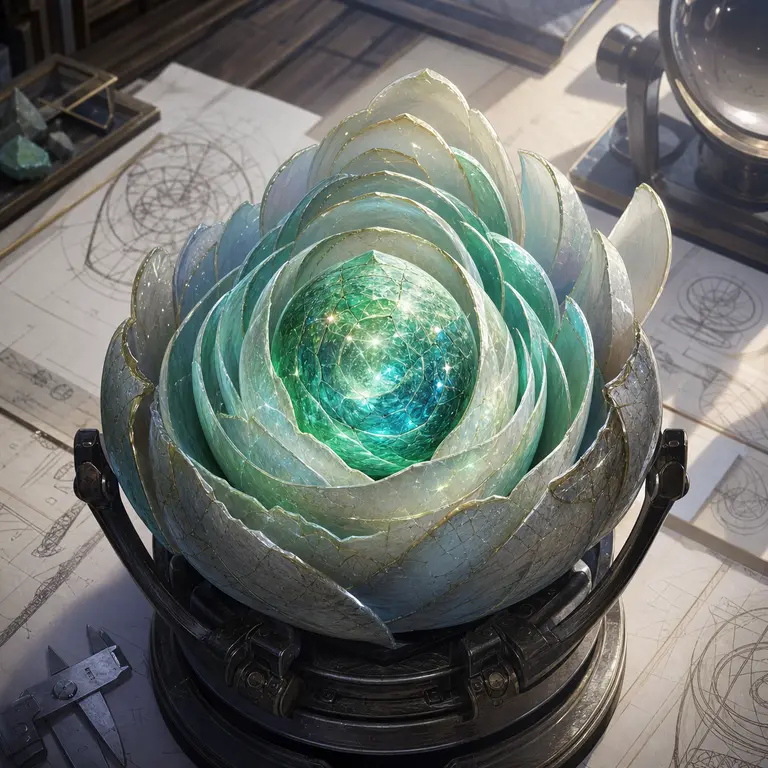
Dragons come from Askalifa, where the major races carry different cultural duties. Green dragons interpret Providence and mediate; red dragons defend a battlefront through combat; gold dragons deal with other peoples; blue dragons guard another frontier; and the exiled black dragons preserve a history the other races have tried to leave behind. Hatchlings carry an Origin Fragment beside the dragon heart during their Amusement. It grants inherited protections and ties their deaths to a retaliatory law meant to preserve dragonkind. The result is a world in which personal care has cosmic consequences: protecting a hatchling's body is necessary, but understanding the purpose, fear, or despair that could make that hatchling reject life is what prevents the cycle from beginning again.