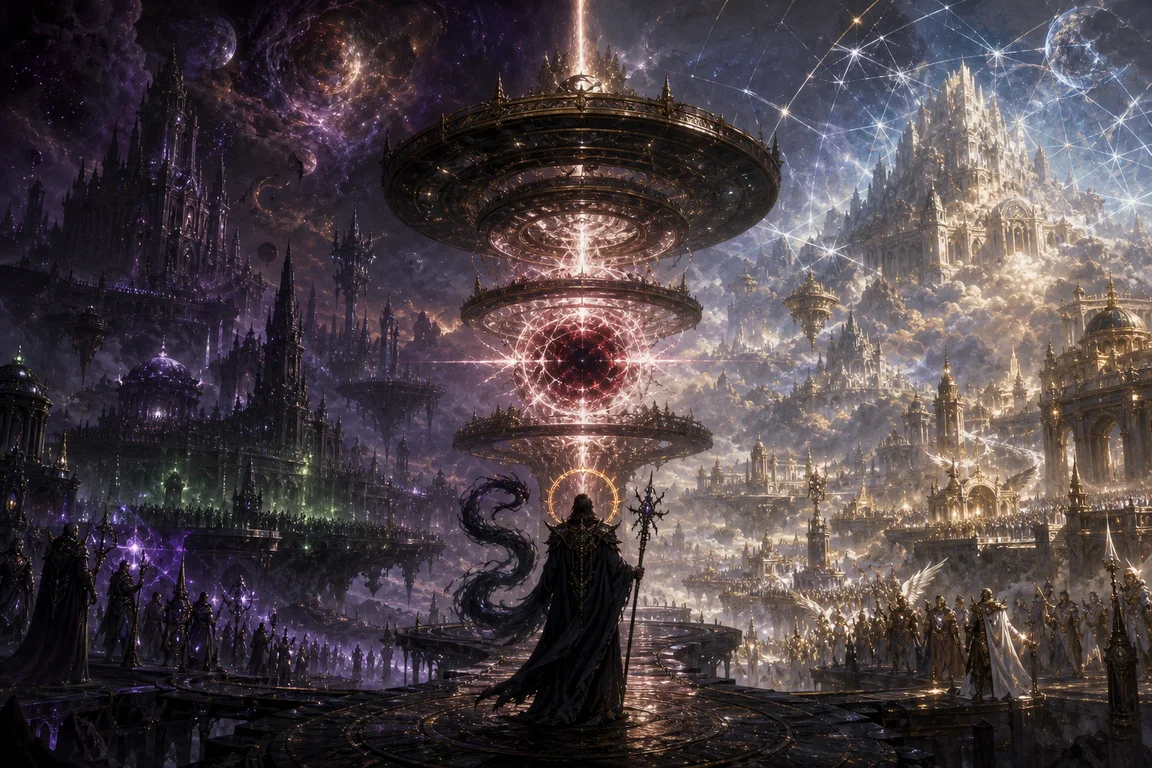
Warlock of the Magus World
A scientist from an advanced era awakens as Leylin Farlier in a world of Magi, where an A.I. Chip fused to his soul supports a relentless pursuit of knowledge and power across bloodline conflicts, other worlds, and the struggle between Magi and gods.
- Author
- Wen Chao Gong
- Status
- Completed
About the novel
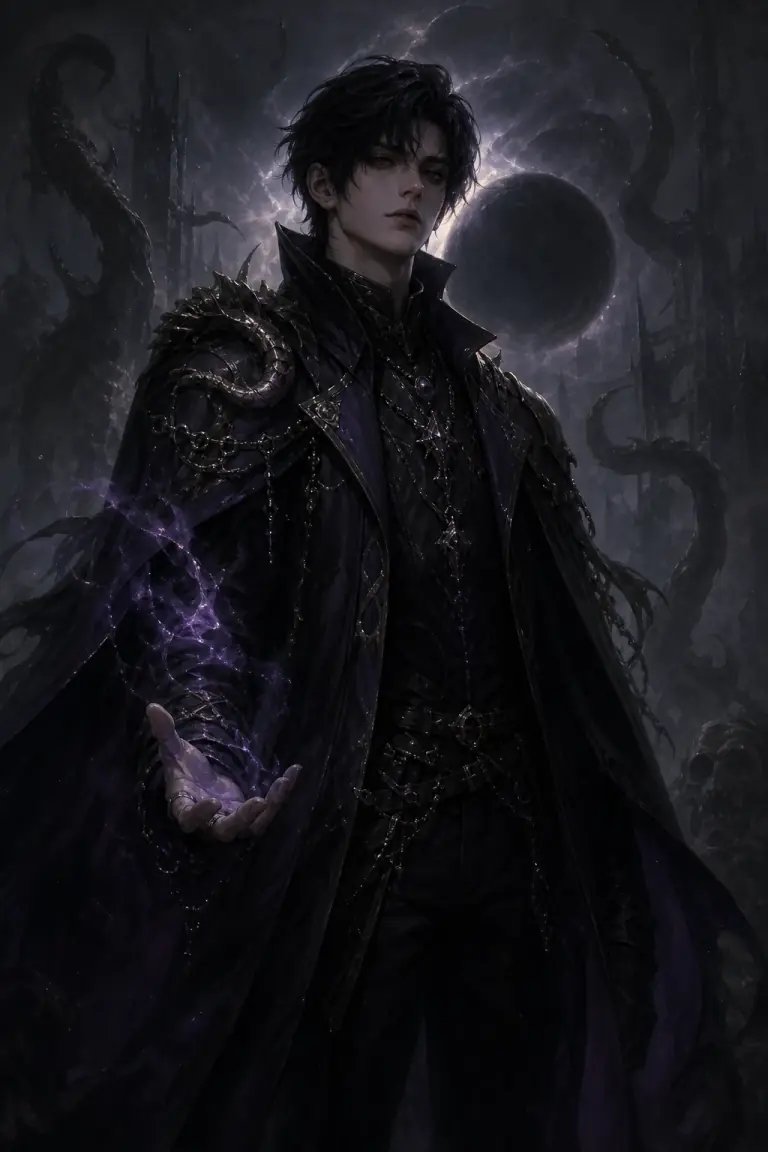
Warlock of the Magus World follows a scientist from an advanced civilization whose consciousness awakens in the body of Leylin Farlier, a young noble traveling toward a Magus academy. The A.I. Chip fused to his soul preserves its analytical functions, allowing him to record techniques, model experiments, and evaluate risks with unusual precision. Leylin treats the new world as a system to investigate and refuses to rely on morality, loyalty, or inherited authority when they conflict with his pursuit of autonomy.
His path begins with academy politics and potion-making, then moves through exile, bloodline organizations, subterranean regions, other worlds, and conflicts between Magi and gods. Advancement repeatedly requires Leylin to understand the structures that empower and constrain him, including the bloodline that accelerates his early growth while imposing a ceiling. The novel's central movement is therefore not simply toward greater rank, but toward escaping every system that can claim ownership over his future.
World and magic
Magi cultivate spiritual force, construct spell models, research laws, and advance through formal ranks that increasingly transform body, soul, and authority. Knowledge is both power and property: academies, families, organizations, and ancient beings restrict access to techniques and experiments. Potions, artifacts, bloodlines, soul research, and planar travel provide specialized routes, but each carries costs and dependencies that can become permanent limitations.
Warlocks gain rapid strength through inherited bloodlines, yet the originator of a lineage can retain influence over descendants and fix their ultimate ceiling. Leylin's A.I. Chip accelerates analysis and simulation but requires observations, samples, and usable data. At higher ranks, advancement depends on comprehending and controlling laws, while the World of Gods introduces divine systems, faith, and portfolios that differ from Magus traditions but remain vulnerable to systematic study.