Master Hunter K
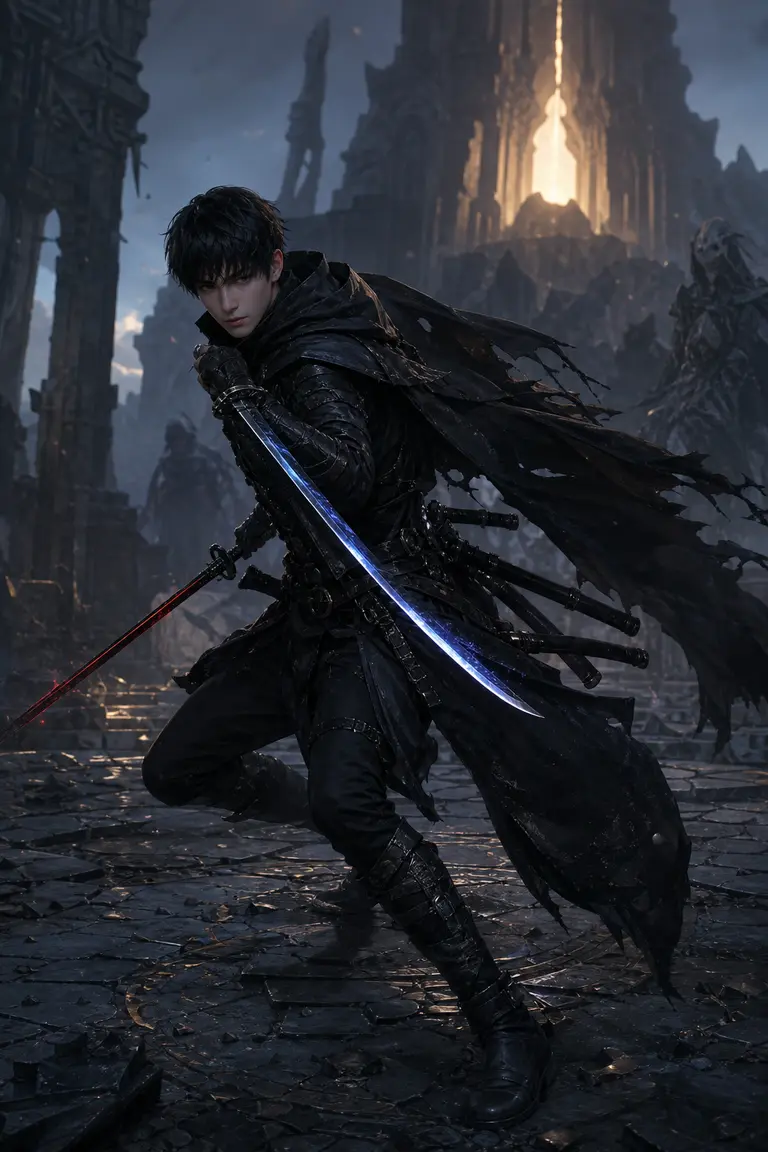
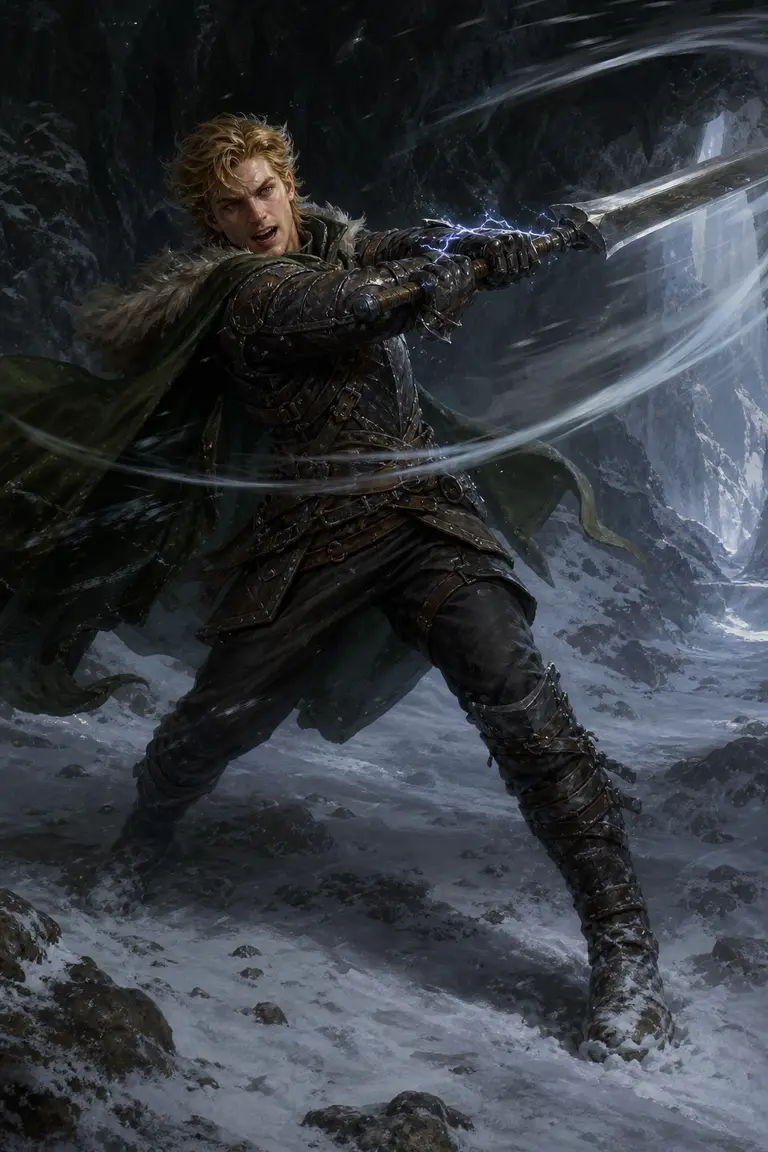
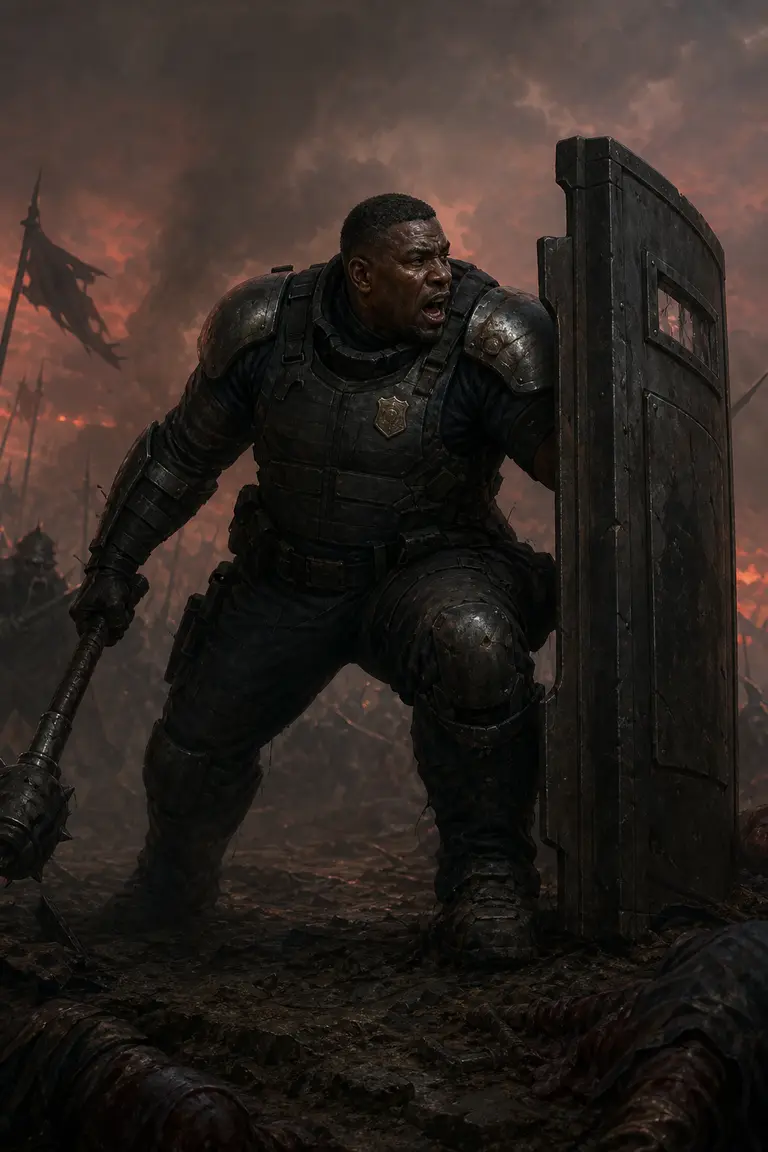
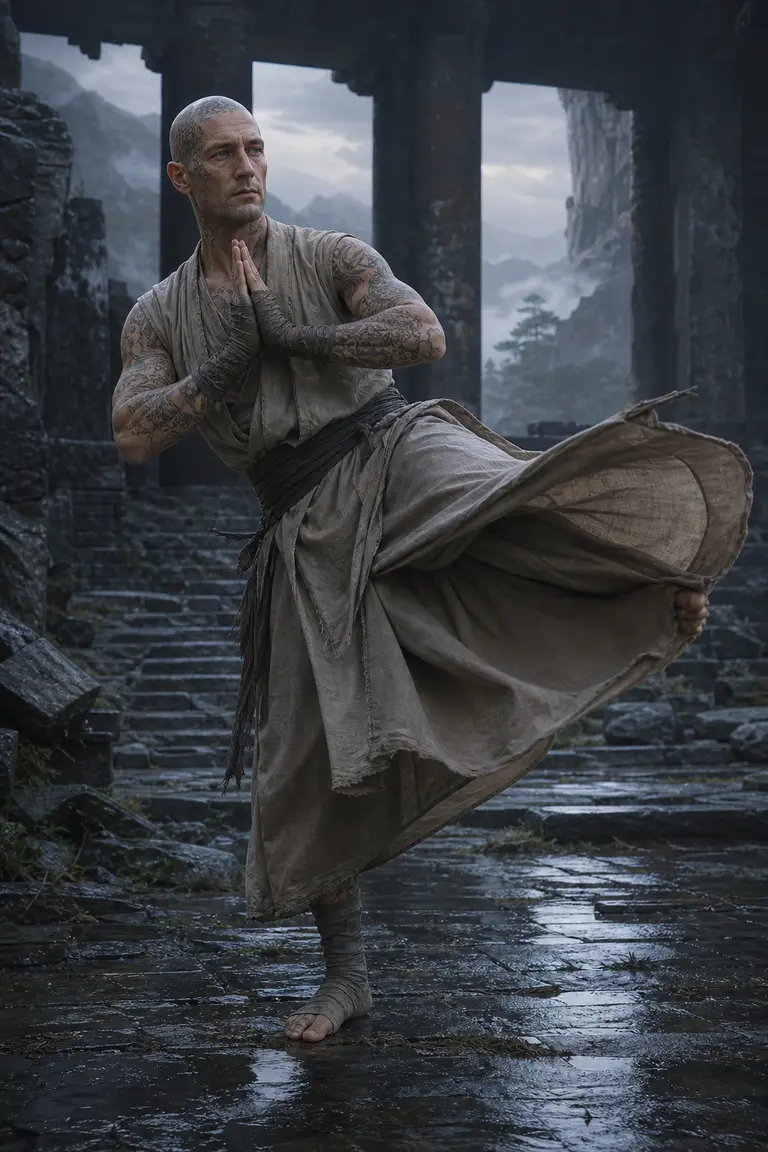
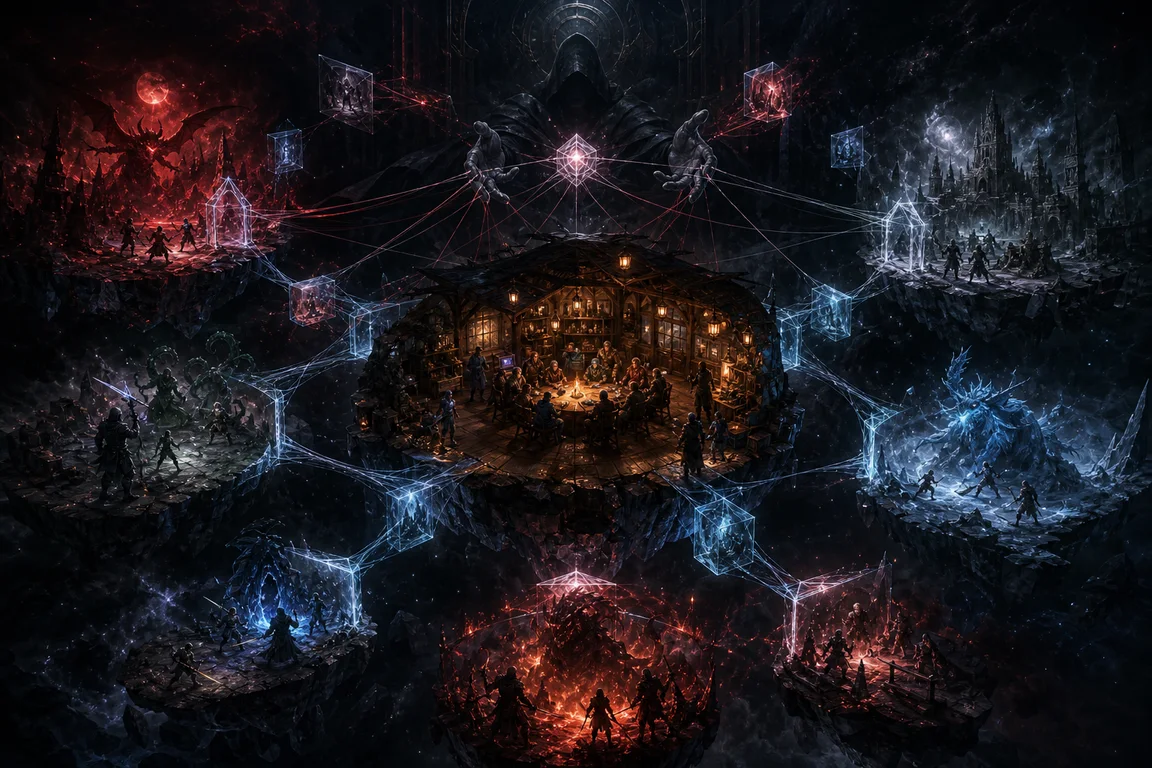
After dying as humanity's final Hunter, Sungjin is returned to the beginning of the Operator's lethal chapter system. Armed with memories of the failed timeline, he pursues complete clears, hunts betrayers, and builds a coalition of Chosen Ones to keep humanity from repeating its extinction.
- Author
- From Hell
- Status
- Completed
About the novel
Master Hunter K follows Sungjin, the final surviving Hunter of a failed timeline, after the Operator returns him to the beginning of humanity's lethal chapter system. He remembers the raids, betrayals, and extinction that await, but his second chance begins among strangers who have no reason to trust his knowledge. Complete clears and careful preparation become tools for changing the pool of survivors rather than simply maximizing his own rewards.
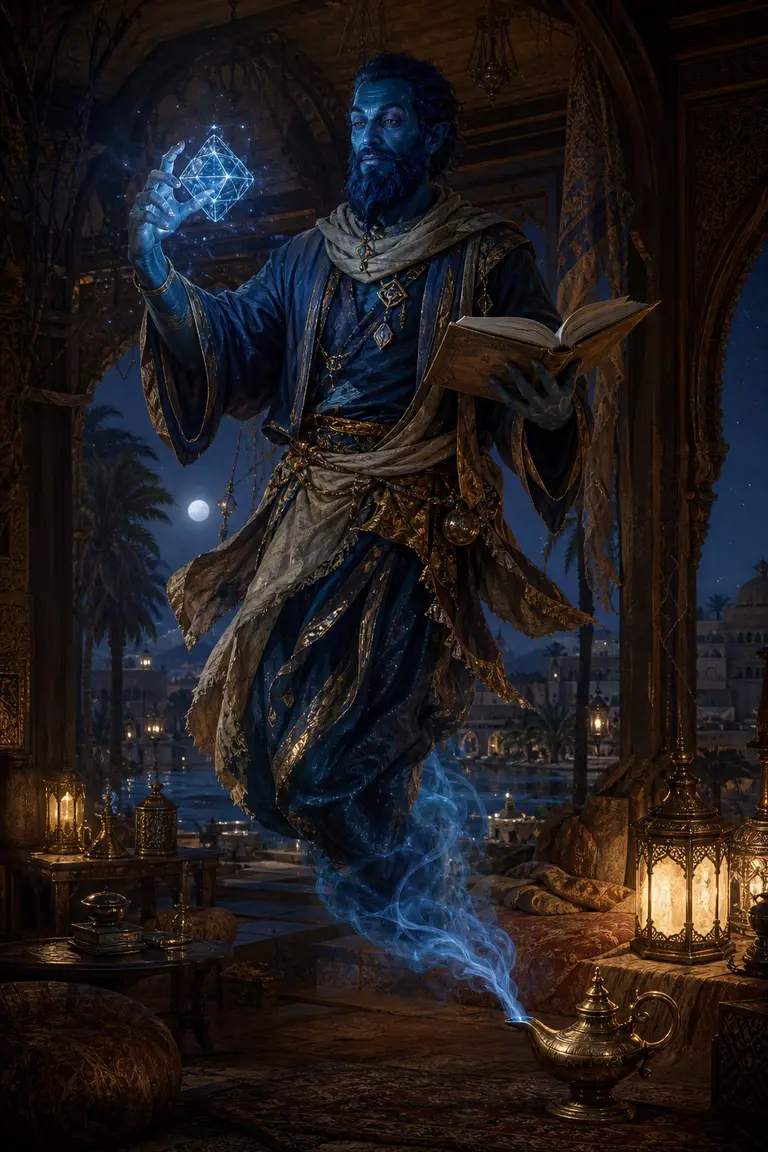
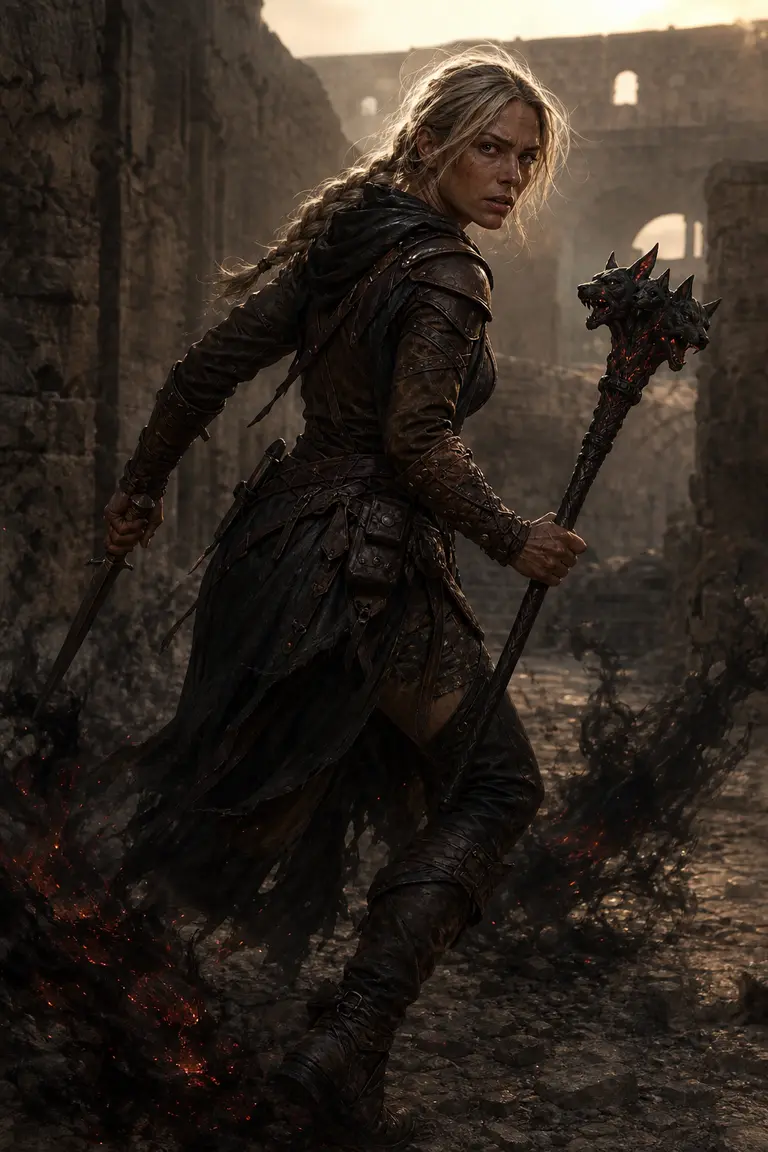
Sungjin hunts trolls who murder teammates for profit and searches for people capable of becoming Chosen Ones. His coalition is designed to avoid the isolation that left one exceptional fighter unable to save humanity. The mystery of the Operator and the structure administering the raids remain central, because success requires understanding why humanity is being tested and whether the system's apparent rules lead anywhere other than the same ending.
World and the hunt
Hunters are transported into chapter-based raids with objectives, contribution scores, currencies, equipment, titles, skills, and failure conditions enforced by the Operator. Teams are assembled from people with different experience and motives, making betrayal as dangerous as monsters. Hidden objectives and complete clears provide better rewards but require knowledge and coordination that ordinary survival runs do not develop.
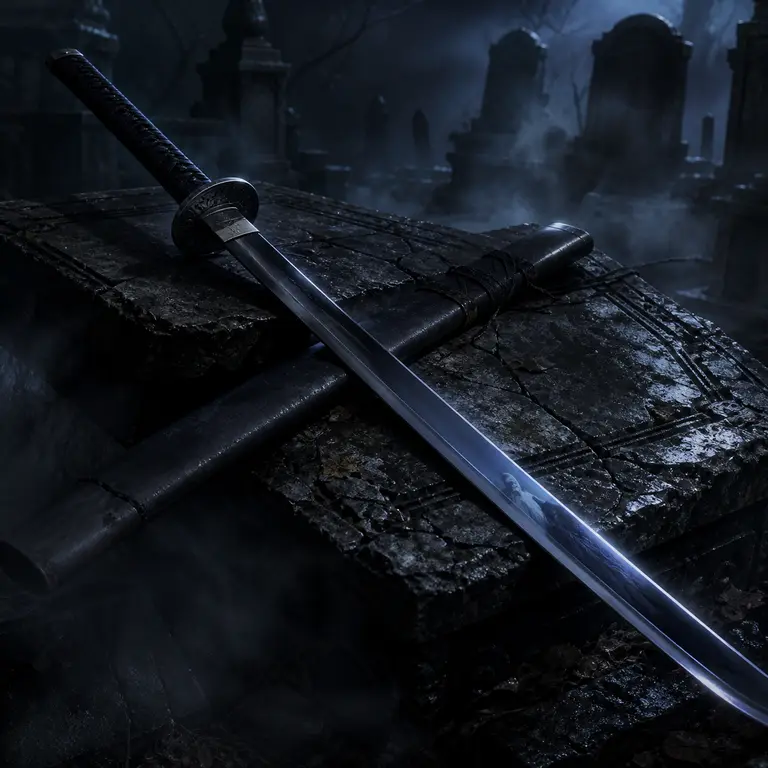
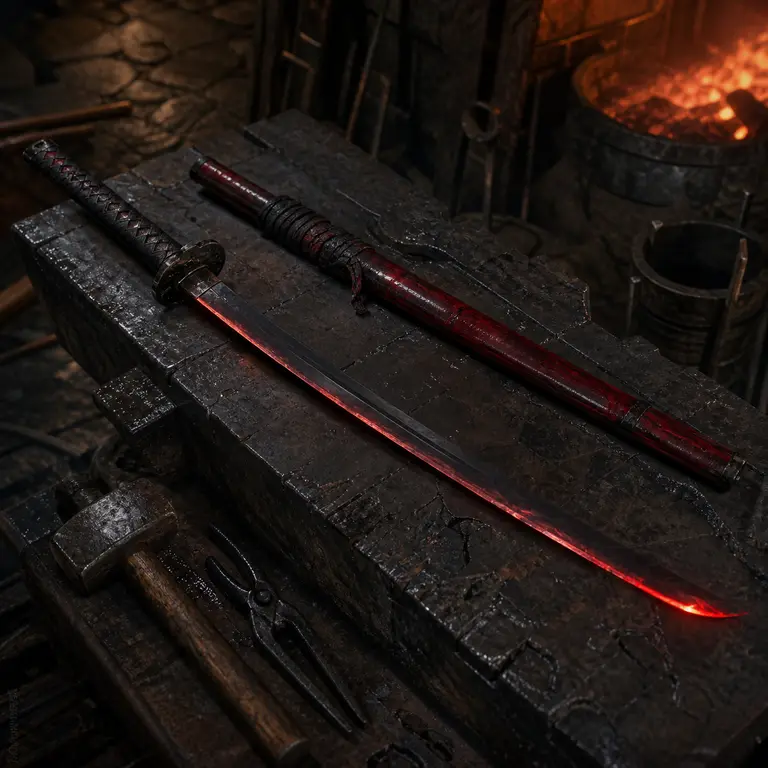
Sungjin's retained swordsmanship, encounter memory, and item knowledge let him progress far ahead of the initial difficulty. The Adjudicator role supports punishment of player killers, while Chosen Ones receive mechanisms that connect their development to his campaign. Rebirth does not eliminate uncertainty: each changed death or alliance alters later circumstances, so leadership eventually matters more than reproducing an exact sequence of remembered actions.