The Mirror Legacy
Lu Jiangxian awakens in a damaged mirror and helps the Li family rise from a village household into a cultivation clan, as successive generations navigate the costs of power, inheritance, and sect conflict.
- Author
- Ji Yueren
- Status
- Completed
About the novel
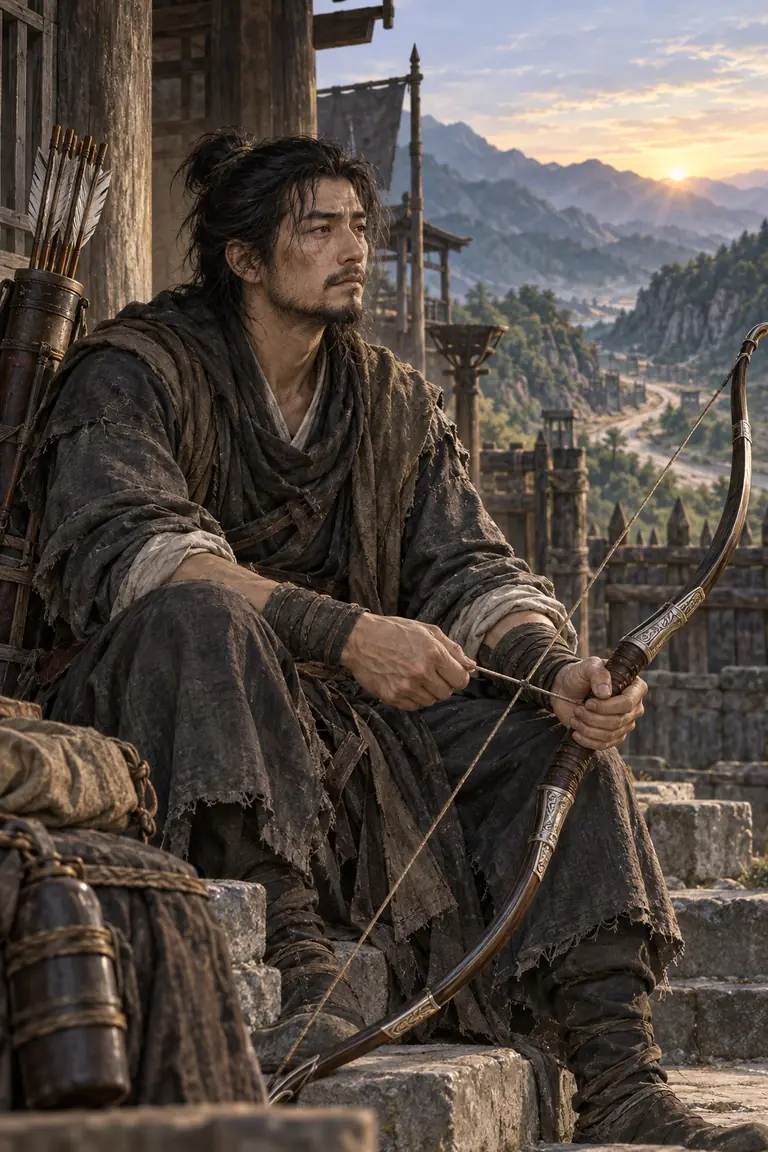
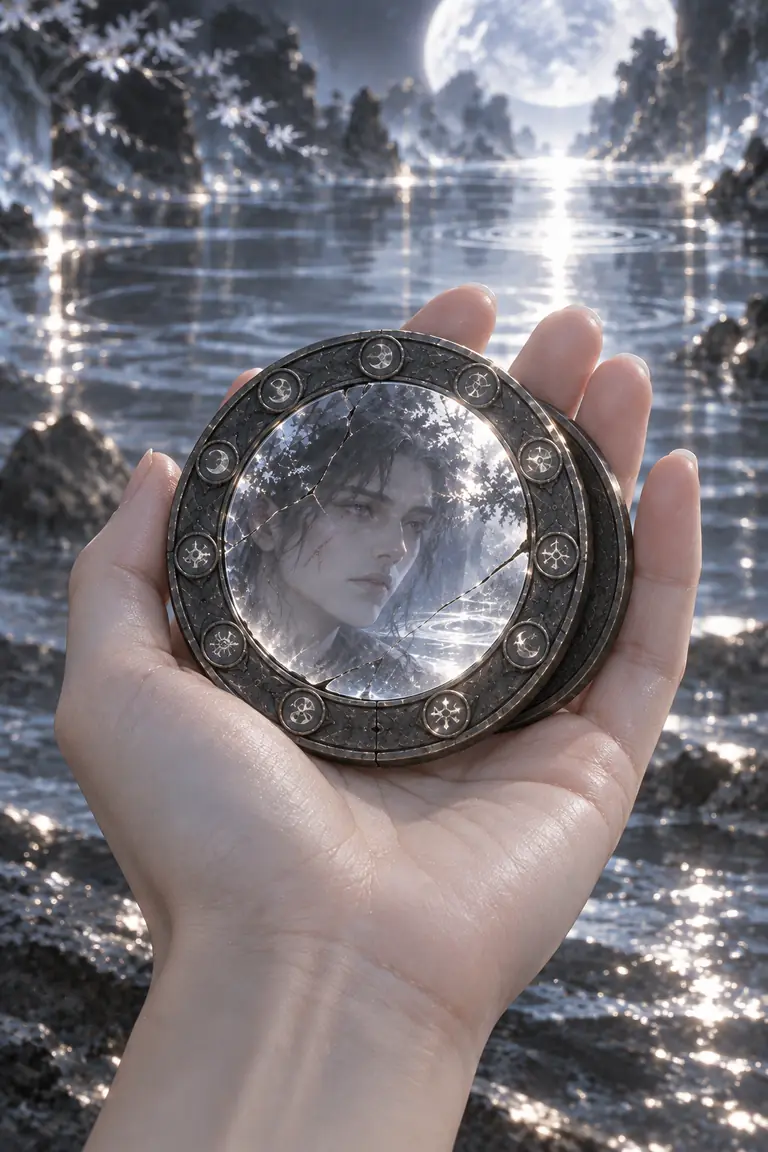
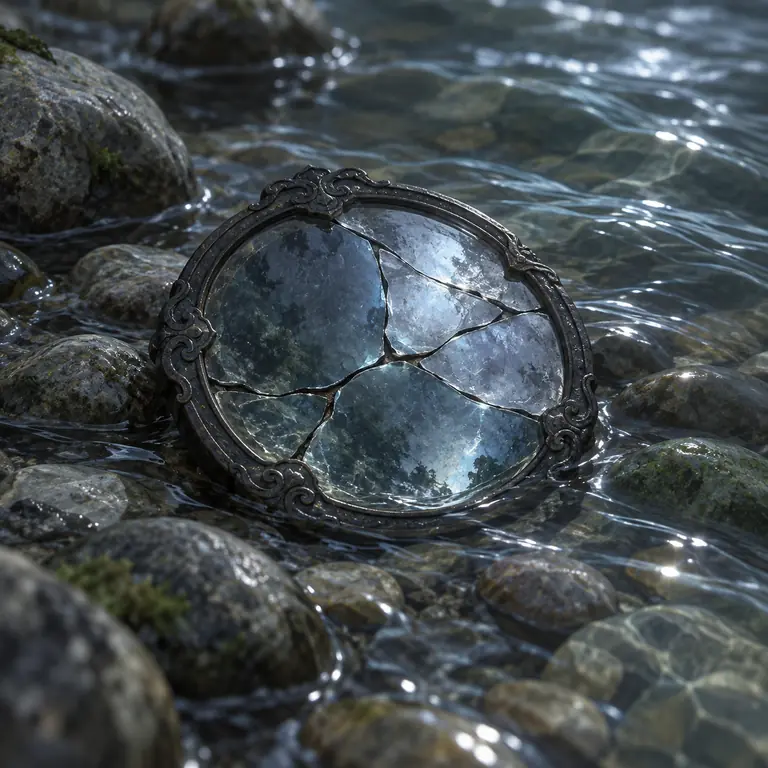
Lu Jiangxian awakens in a damaged mirror at the bottom of a river, unable to move or speak to the people around him. When Li Xiangping retrieves it while fishing, the mirror enters a farming household in Lijing Village. Li Mutian and his sons must decide how to use an opportunity they scarcely understand while concealing it from cultivators powerful enough to destroy their home. Lu faces a related problem: his safety and recovery depend on people who cannot know the full nature of their hidden benefactor.
The mirror's talisman seeds open a path to cultivation for the Li Family, turning an ordinary household into a clan with lands, disciples, marriages, and inherited duties. Its rise unfolds across generations. A parent's decision can leave a child with an obligation, an enemy, or an inheritance that changes the family's course long afterward. The mirror remains a continuous presence through these changing lives, but its gifts do not remove the risks of succession, limited resources, or the demands of stronger sects.
As the family's influence extends beyond Moongaze Lake, its struggle for survival becomes entangled with competing Dao lineages and the powers directing them. Guardians must weigh private ambition against responsibility to descendants; alliances can offer protection while imposing dangerous commitments. Cultivation changes what the Lis can accomplish, yet each new position also exposes them to conflicts that cannot be settled through strength alone.
World and cultivation
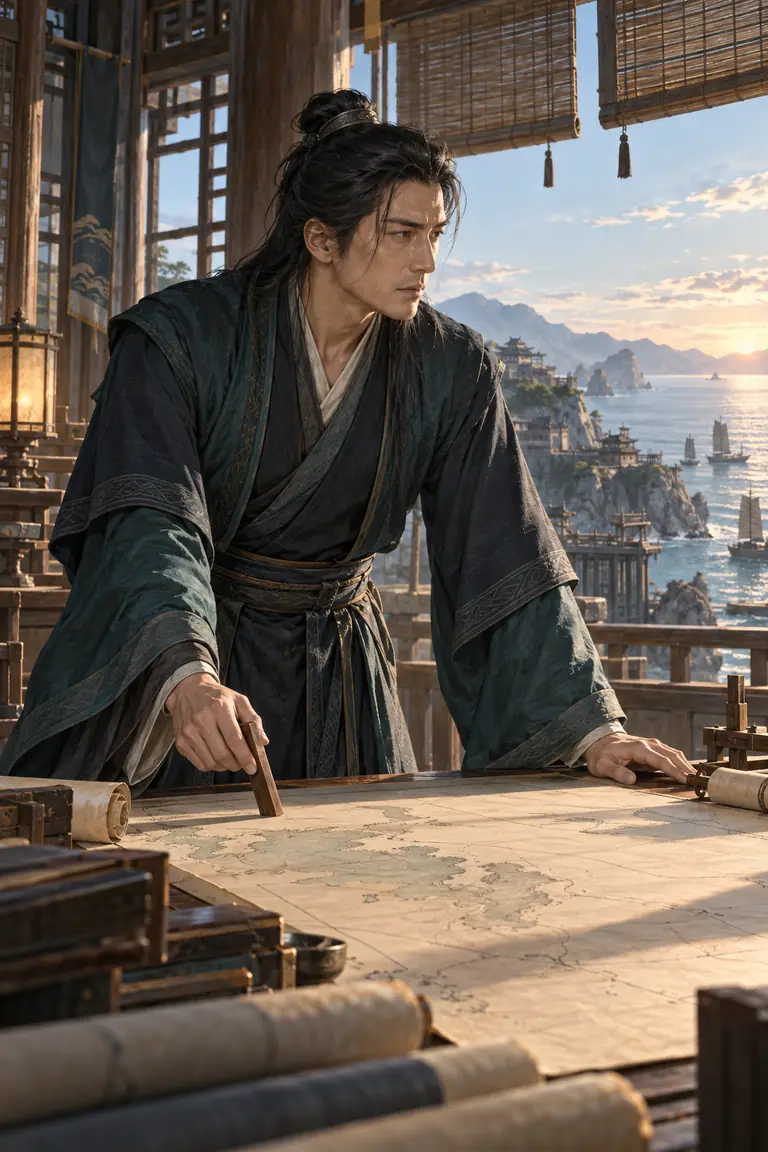
Moongaze Lake is surrounded by cultivation families whose lands, markets, and spiritual resources sit within a wider order dominated by sects such as Azure Pond and Golden Feather. A small clan needs more than a gifted fighter: it needs spiritual qi, suitable methods, income, trained successors, and allies willing to act when its interests are threatened. Sect connections influence access to all of these, making marriage, apprenticeship, and control of territory part of the cultivation struggle.
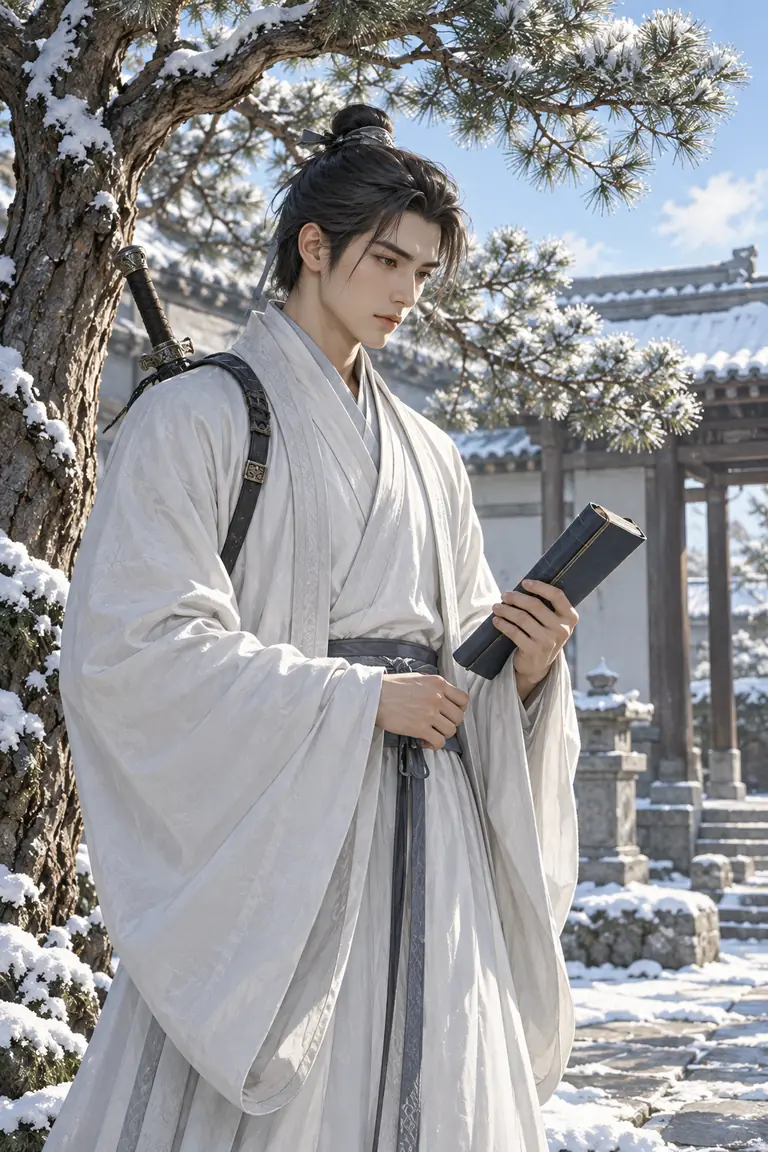
The immortal Dao begins with six chakras of Embryonic Breathing, followed by nine heavenly layers of Qi Cultivation. Suitable spiritual qi and a compatible method shape the true essence a cultivator acquires. Foundation Establishment then creates an immortal foundation with particular strengths and vulnerabilities; Purple Mansion cultivation develops divine abilities. These are changes in how power works as well as increases in its scale. An unusual foundation or valuable inheritance can attract predators, and a large reserve of mana cannot replace missing techniques or experience.
Buddhist cultivators follow a different progression and possess powers that do not correspond neatly to immortal realms. Beyond local sect rivalry, the contested Fruition, Intercalary, and Surplus Positions connect cultivation to the fortunes of Dao lineages and dynasties. The Li Family must navigate these overlapping systems while guarding the mirror, whose blessings and restoration follow their own rules.