Defiance of the Fall
When Earth is integrated into a lethal multiverse, Zac Atwood survives an impossible starting trial and builds a refuge whose growth draws him into planetary wars, ancient inheritances, and the competing paths of life and death.
- Author
- TheFirstDefier
- Status
- Ongoing
- Chapters available
- 1,432
About the novel
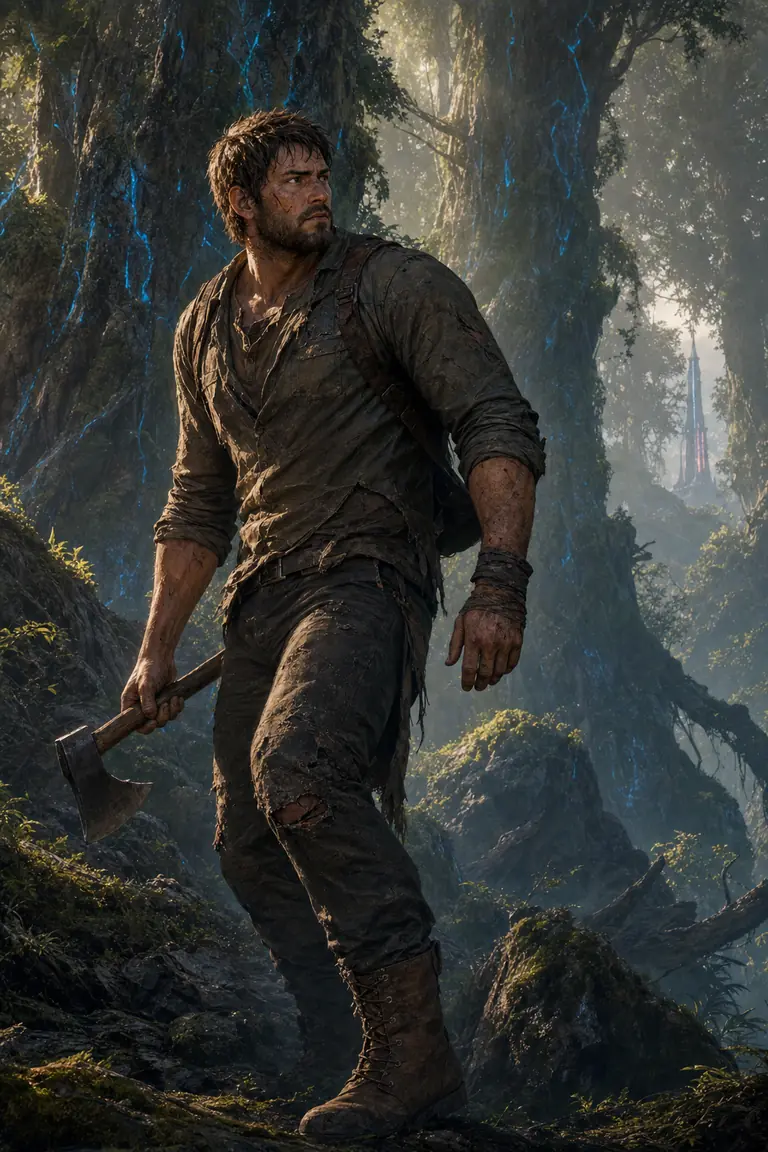
Defiance of the Fall begins when Earth is abruptly integrated into the Multiverse and Zac Atwood is stranded on an island claimed by a demonic incursion. Denied the guidance most survivors receive, he turns an improbable advantage, stubborn endurance, and repeated battles into control of the island. His first struggle to find his family becomes the foundation of Port Atwood and then of a growing force responsible for far more people than Zac ever intended to lead.
The story widens from survival on a transformed Earth to conflicts across sectors, inheritances left by ancient powers, and wars whose participants plan on a scale of millennia. Zac's unusual affinity for both life and death makes his advancement inseparable from questions of identity: every new class, Dao insight, bloodline change, and political alliance must fit two opposed paths without allowing either to consume the other. Companions, rivals, mentors, and family members repeatedly turn that private problem into a public one, because the power protecting Earth also draws attention from factions able to threaten it.
World and the System
The System connects worlds through a hierarchy of grades, levels, classes, titles, quests, incursions, and dimensional events. Newly integrated planets become contested ground where local survivors, invaders, established factions, and System-generated opportunities all pursue limited resources. Earth is only one world within the Zecia Sector, which in turn sits inside a Multiverse shaped by ancient empires, cultivation lineages, merchant organizations, technological civilizations, and conflicts between forces that predate many living powers.
Personal advancement combines several related structures. Levels provide attributes and lead to class and race evolutions, while cultivation grades mark deeper transformations of body, energy, and lifespan. The Dao develops from Seeds into Fragments and Branches as a cultivator forms a more complete understanding of reality. Skills, bloodlines, constitutions, soul cultivation, equipment, and specialty cores can reinforce that foundation, but each has requirements and incompatibilities. Advancement therefore depends on more than accumulated energy: a flawed path, unstable core, poorly integrated skill, or borrowed power can create bottlenecks that greater attributes do not solve.
Zac's path is especially demanding because his living and undead states advance through distinct classes and energies while sharing one identity. The Duplicity Core and his paired Daos let those halves support each other, but also make ordinary manuals and precedents unreliable. This tension mirrors the setting's larger conflicts. The strongest factions do not merely seek higher levels; they compete for rare environments, inheritances, karmic advantages, and the right to define which paths can survive the next war.