Release That Witch
Mechanical engineer Cheng Yan awakens as Roland Wimbledon, an exiled prince who saves a condemned witch and transforms the impoverished Border Town into Neverwinter, combining industry, magic, and political reform to unite humanity against the Church and the coming Battle of Divine Will.
- Author
- Er Mu
- Status
- Completed
About the novel
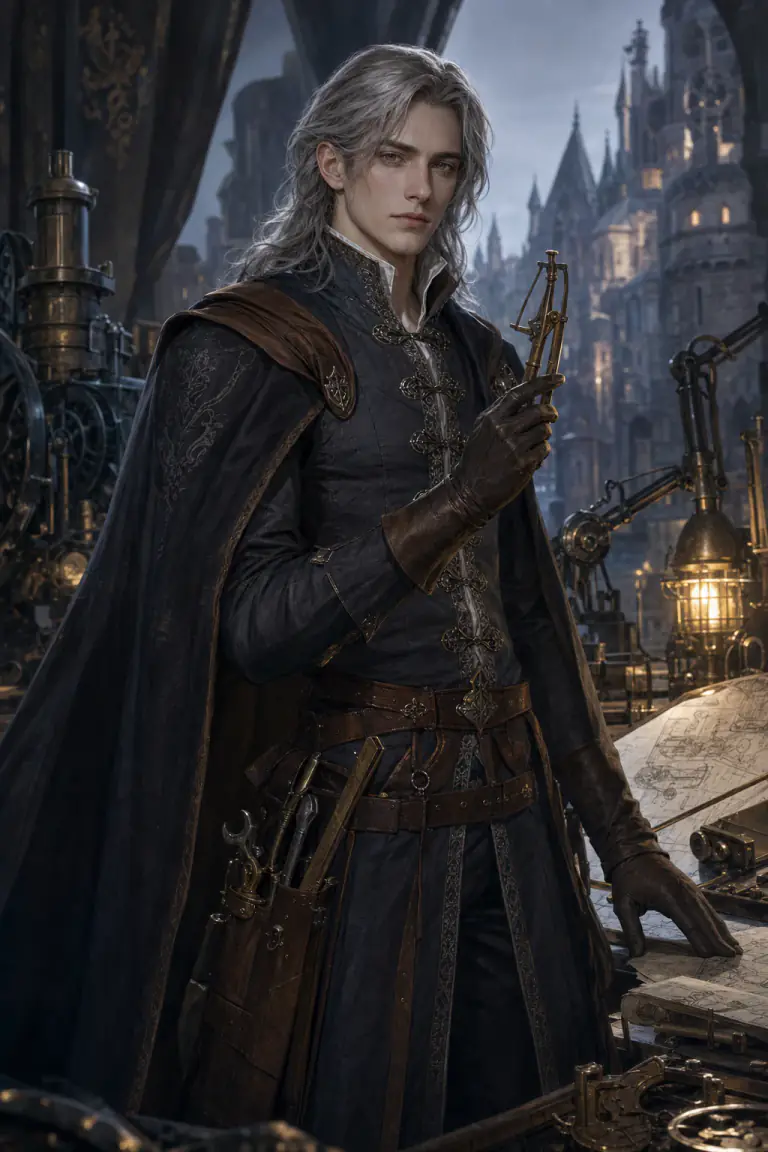
Release That Witch follows mechanical engineer Cheng Yan after he awakens as Roland Wimbledon, the unpopular fourth prince of Graycastle. Exiled to impoverished Border Town during a royal succession contest, Roland rejects the expected execution of the witch Anna and begins treating witch abilities as understandable natural phenomena rather than signs of demonic corruption. Saving one condemned woman becomes the foundation of a new political and industrial order.
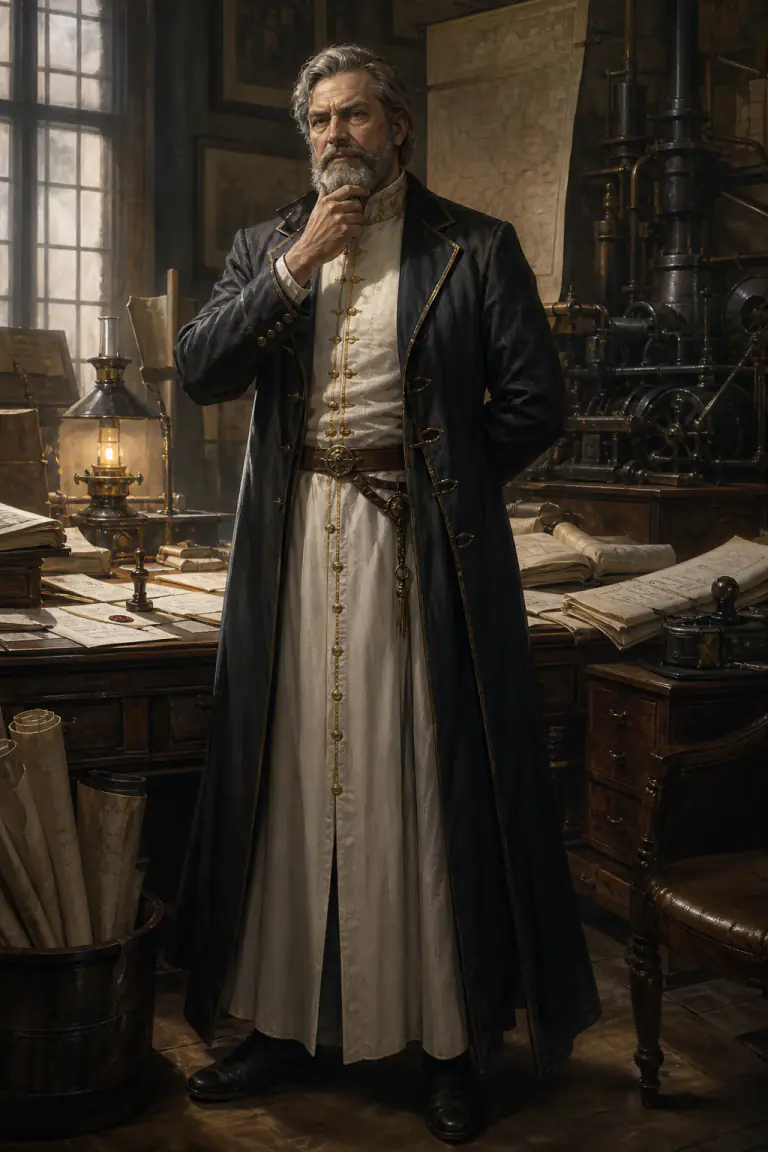
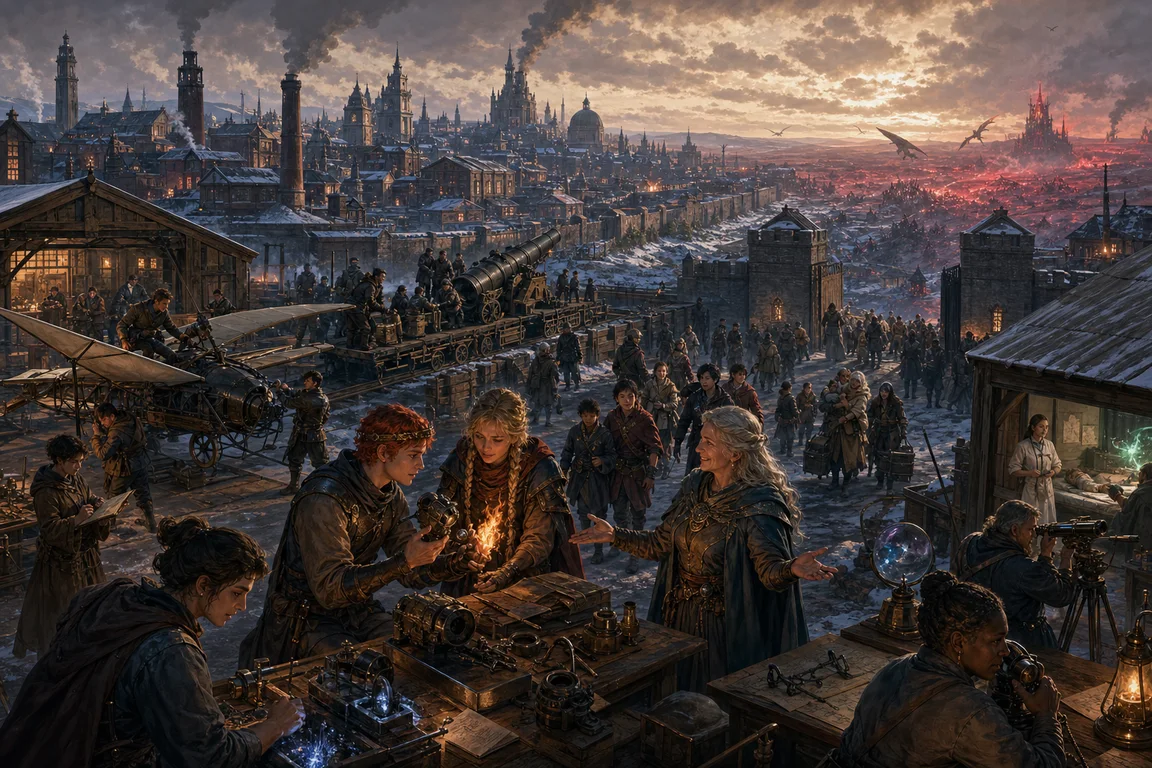
Roland applies engineering knowledge through local materials, skilled workers, education, and cooperation with witches whose abilities can solve otherwise impossible production problems. Border Town develops into Neverwinter while confronting noble rivals, the Church, and the approaching Battle of Divine Will. The story links military survival to institutions: laws, public trust, manufacturing, administration, and alliances matter as much as an individual weapon or magical talent.
World and magic
Human kingdoms occupy lands threatened by Months of Demons and by a larger cyclical war involving demons and ancient civilizations. The Church persecutes witches while secretly exploiting supernatural power, and noble society treats knowledge and labor as privileges rather than public resources. Neverwinter's reforms challenge this order by educating ordinary residents, organizing professional armies, and giving witches recognized roles in industry and government.
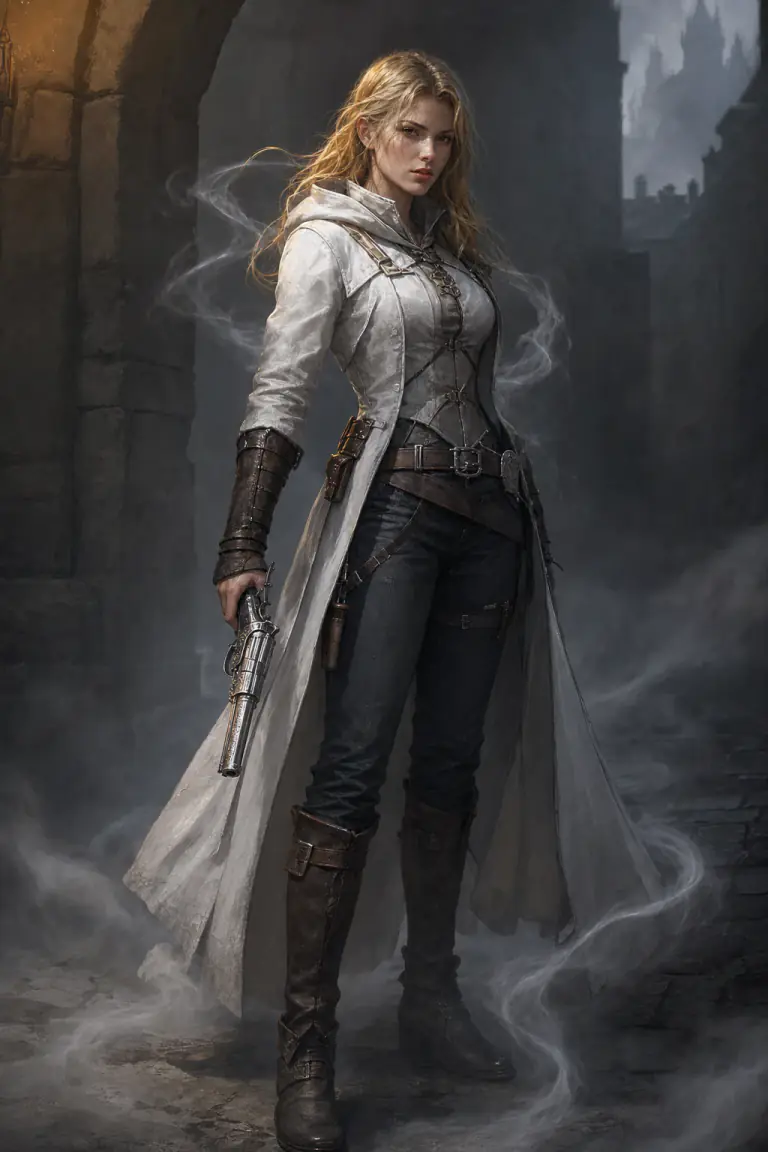
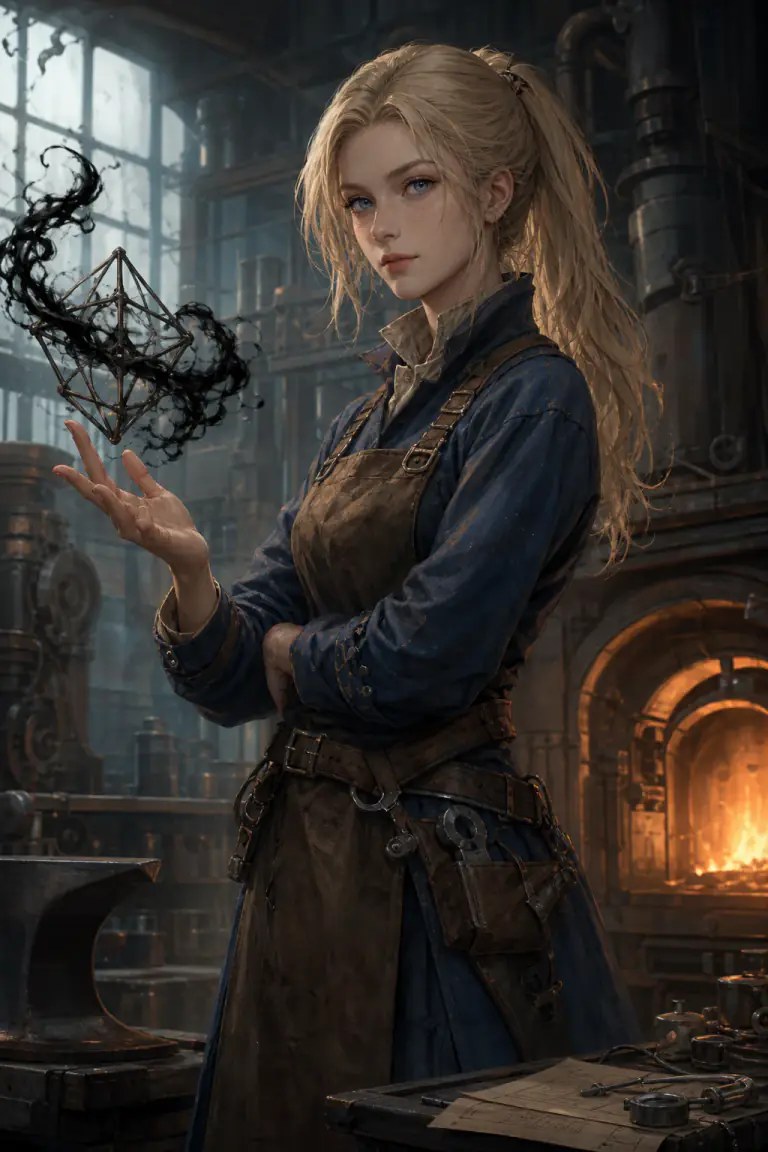
Each witch has a distinctive ability that develops through practice, knowledge, and magical evolution. Anna's increasingly precise flame, Nightingale's movement through the Mist, and other specialized powers become most effective when combined with scientific investigation and coordinated production. Magic does not replace engineering; it changes what can be manufactured, measured, or defended, allowing Roland's administration to build technologies that neither his memories nor the existing world could produce alone.