World’s End: My Keyword is One More Than Others
Du Ge awakens in a civilization that survives by sending warriors into simulated and alien worlds, where acting in harmony with a personal keyword produces extraordinary power. Carrying one keyword more than everyone else, he turns each contest into a larger struggle against the company that treats entire civilizations as entertainment.
- Author
- Cotton Jacket Guard
- Status
- Completed
About the novel
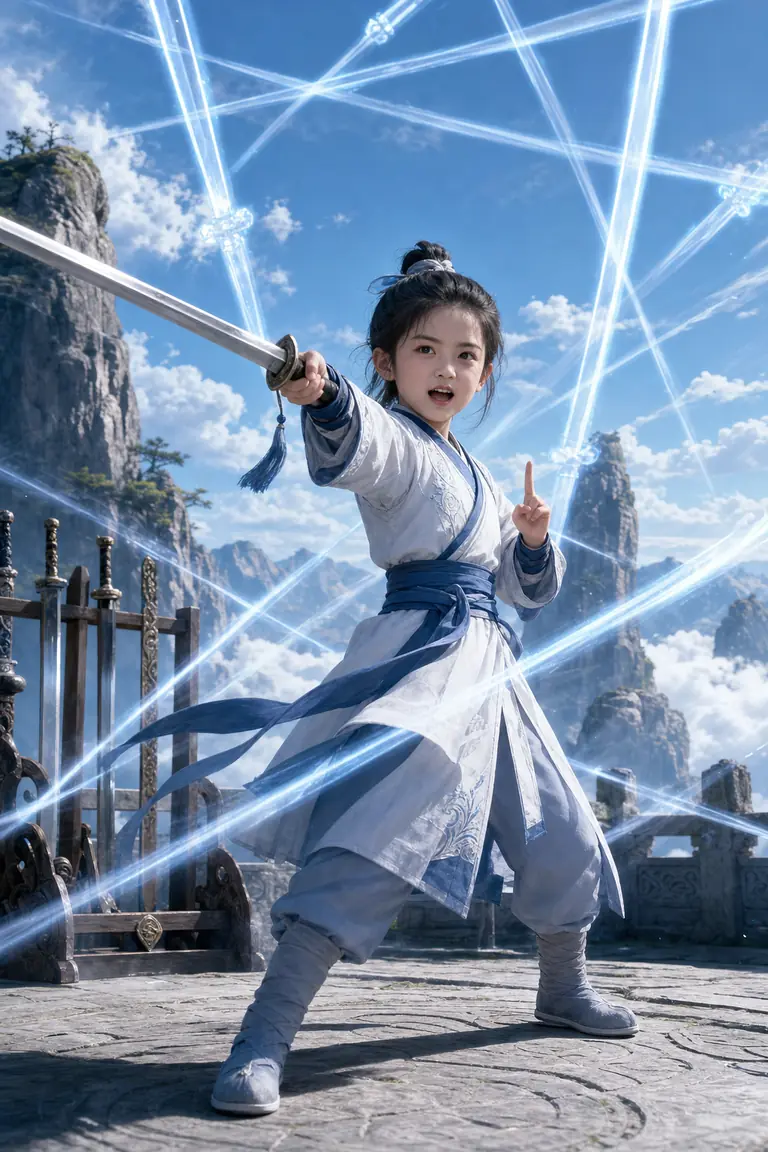
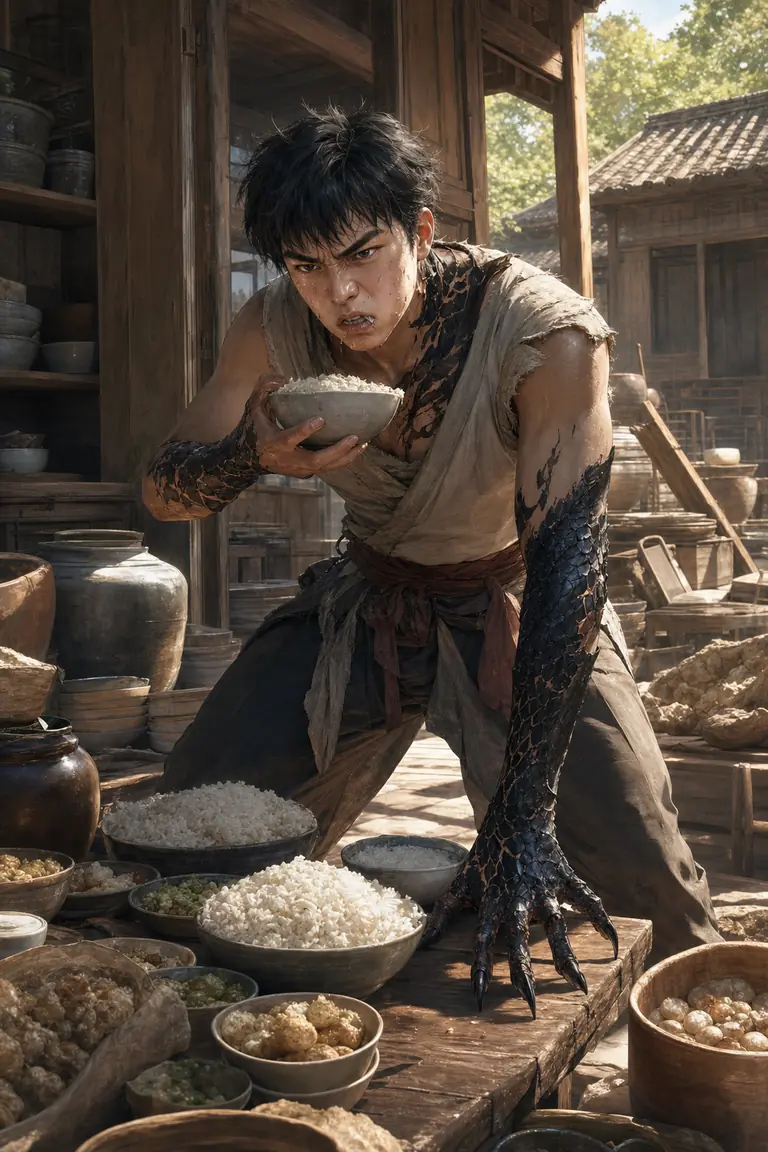
Du Ge awakens inside a simulated martial world with no borrowed memories, a badly injured body, and an impossible advantage: where every other participant receives one behavioral keyword, he receives two. His first pairing, Maintenance and Betrayal, forces him to turn language, reputation, and shifting alliances into tools of survival. What begins as an improvised bargain with another candidate quickly becomes a campaign that overturns the simulation’s expected storyline.
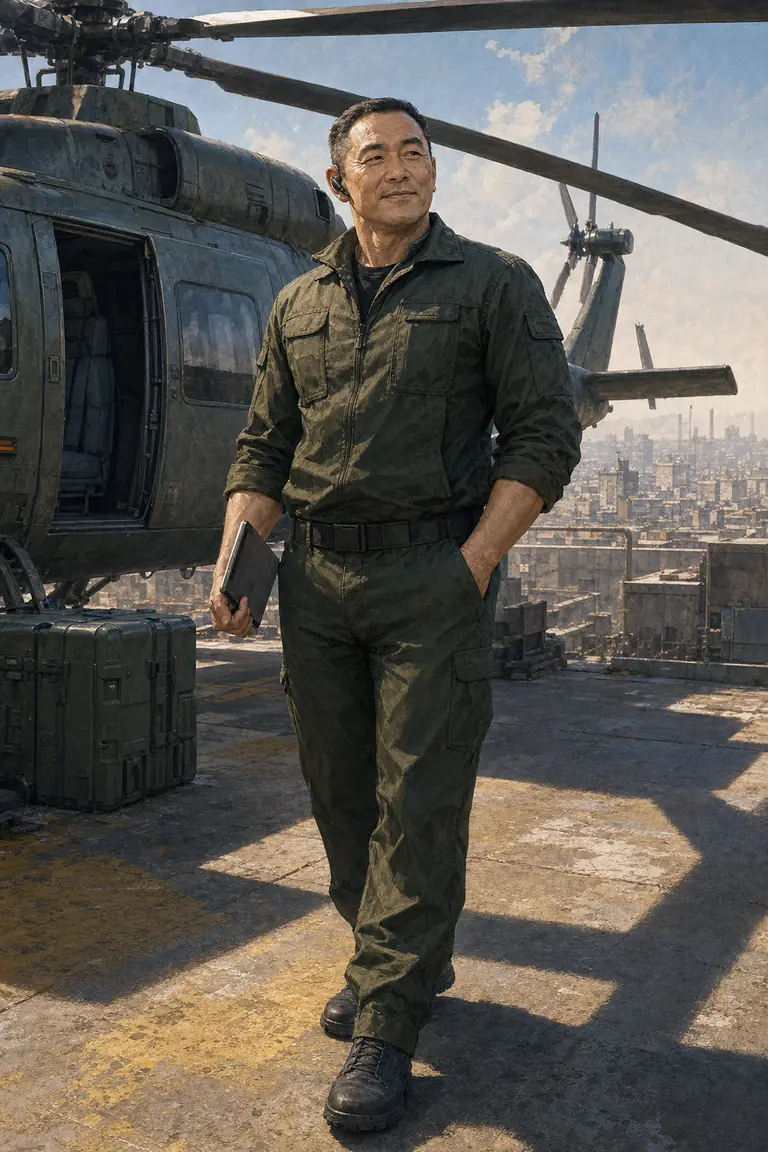
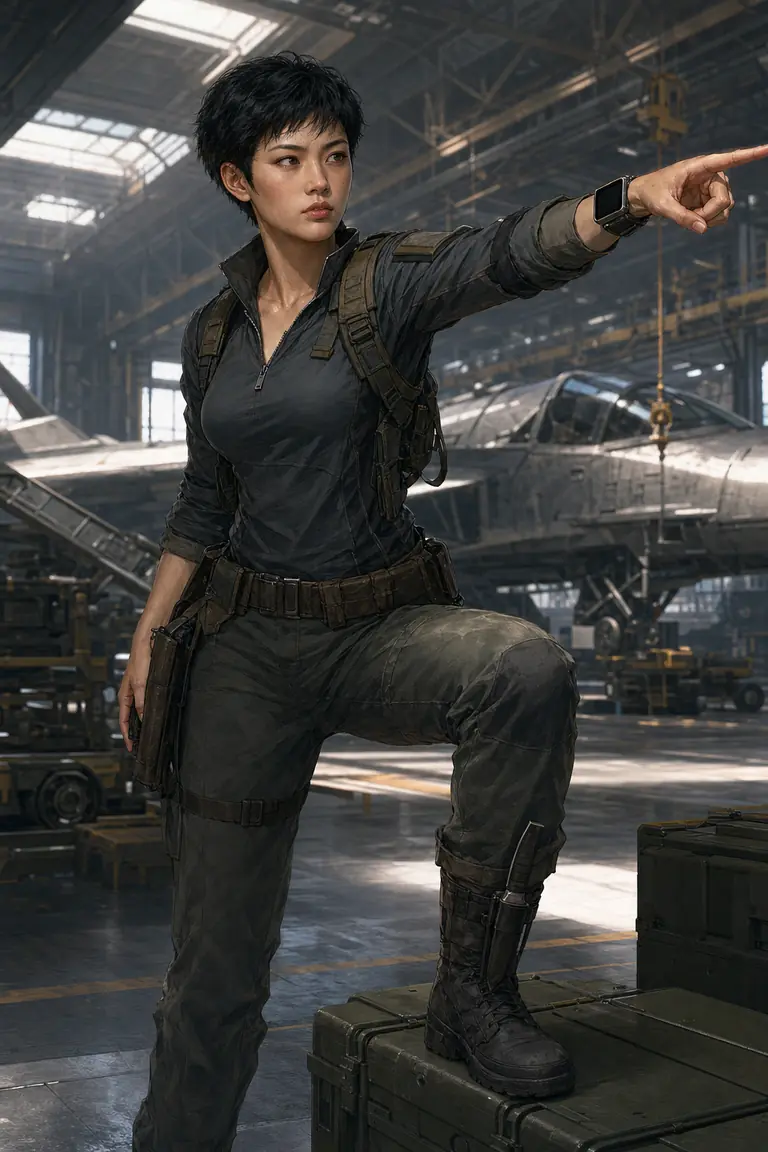
Outside the simulations, Du Ge discovers that the trials are preparation for Alien Star Battlefields, contests through which resource-starved civilizations compete for the means to survive. Pan-Universal Entertainment controls those battlefields as both extraction system and spectacle, rewarding contestants who produce dramatic conflict while treating inhabited worlds as disposable sets. Du Ge’s rapid victories make him valuable to the company, but they also give him the leverage and knowledge to investigate the structure controlling him.
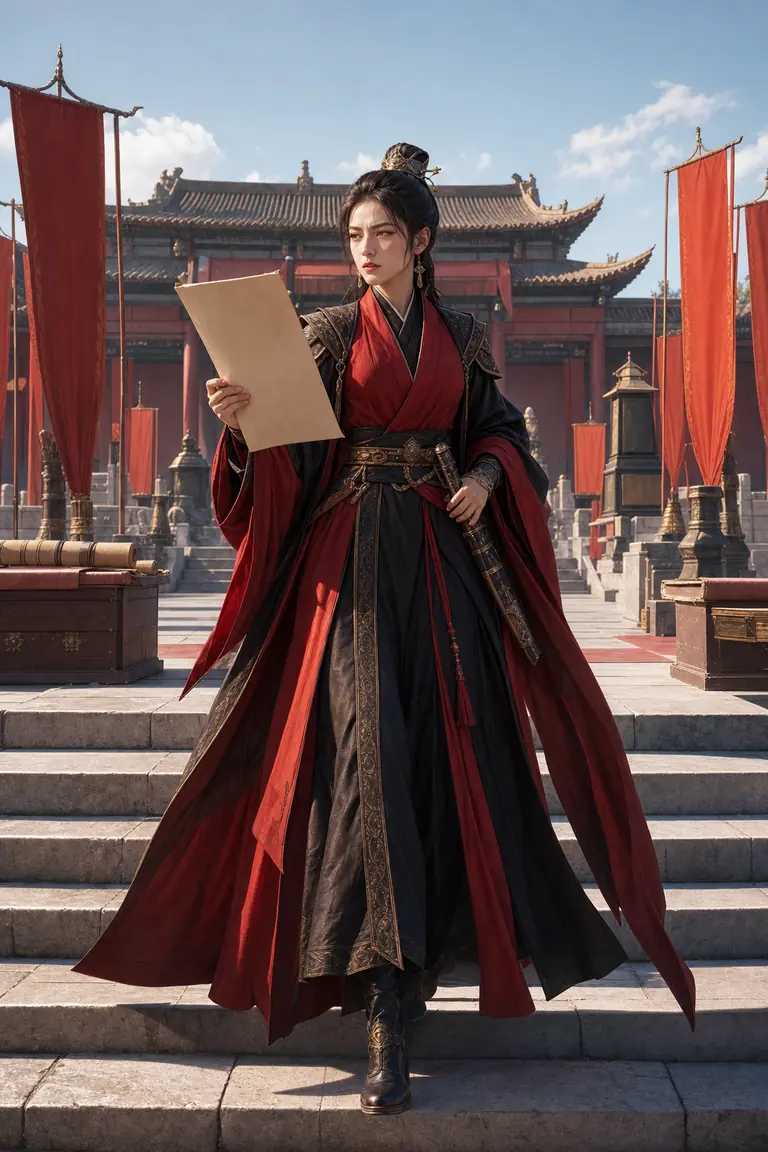
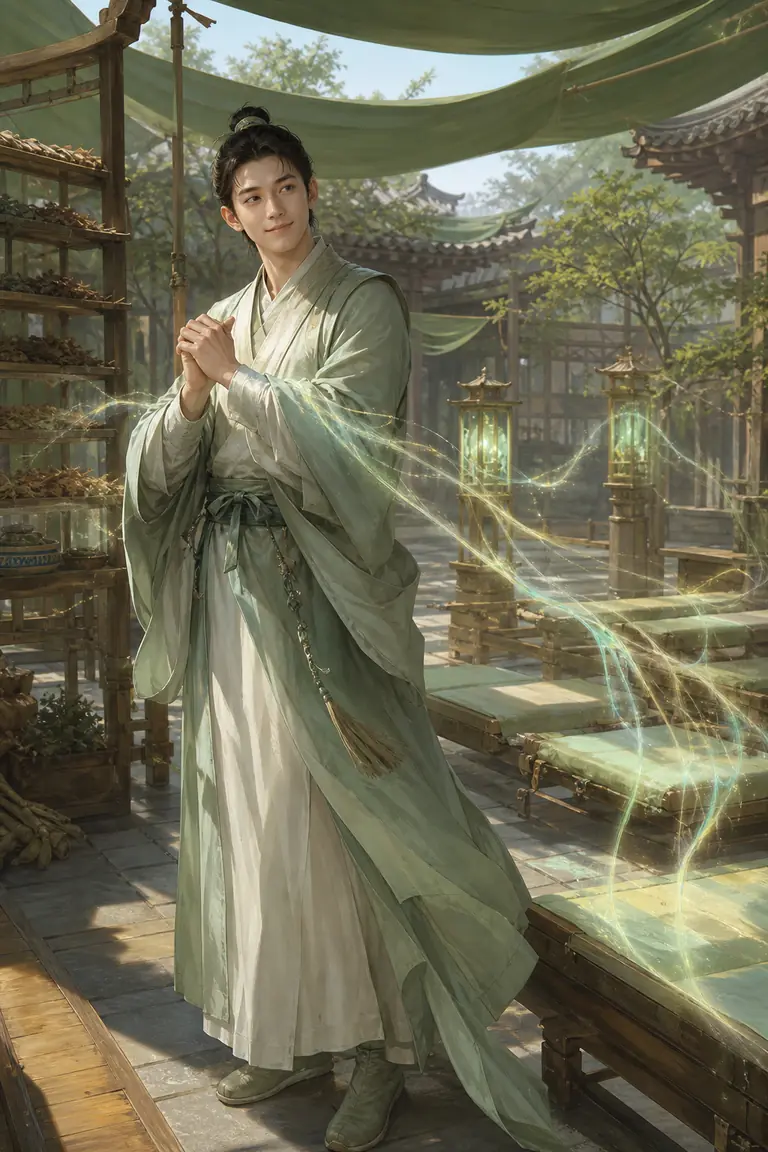
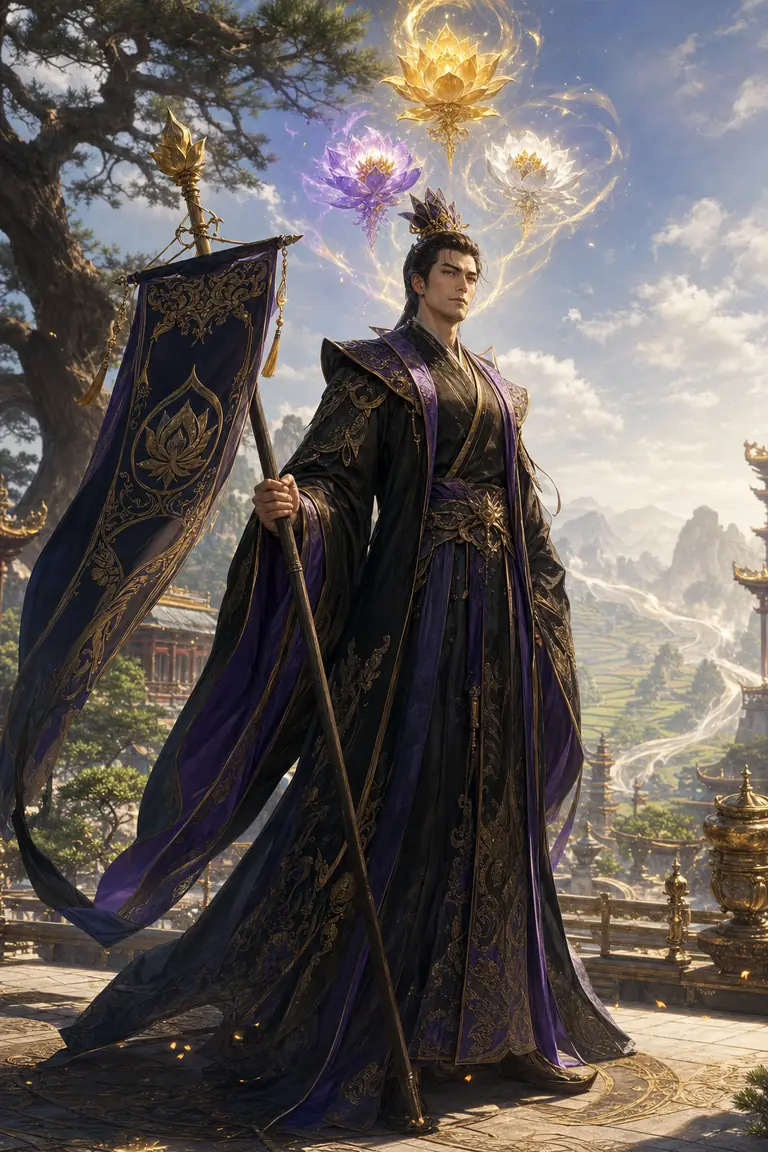
Each new world changes the available institutions, technologies, and supernatural rules, yet the central contest remains one of interpretation. Du Ge repeatedly builds organizations, public narratives, and unlikely coalitions around the literal and figurative meanings of his keywords. His campaigns expand from martial sects and pirate fleets to kingdoms, celestial courts, and interstellar civilizations, gradually transforming a struggle for ranking into a struggle over who has the right to define the rules.
World and keyword progression
Qi Yuan Star is one of several depleted civilizations forced to send warriors into Pan-Universal Entertainment’s games. Simulation Fields train candidates in body possession and keyword use; Alien Star Battlefields then place selected warriors inside real inhabited worlds, where their rankings determine the resources awarded to their home planets. Mental power governs possession and perception, while the company’s technology can transfer souls, end battlefields, harvest worlds, and suppress abilities outside approved arenas.
Keywords reward behavior that matches their meaning. Consistent performance raises physical attributes, accelerates recovery, and may awaken advanced skills, while conduct that contradicts the keyword can weaken its bearer. These effects are not a fixed ladder: two people can develop the same word differently, and a narrow interpretation may produce less growth than a public campaign that makes the word socially consequential. Du Ge’s second keyword lets him combine or alternate behavioral roles, but it also doubles the constraints he must satisfy and the evidence he must conceal from observers.
Every battlefield adds parallel systems that interact with keyword growth. Du Ge encounters internal energy, cultivation realms, martial souls, divine authority, mecha engineering, mutant abilities, faith, and rule artifacts. Skills can provide control, recovery, movement, information, or conceptual effects, yet their usefulness depends on wording, target conditions, range, reputation, and counters. Mental power persists between contests, and certain divine powers, transformed bodies, or artifacts can create longer-lasting changes, allowing Du Ge’s development to outgrow the competitive framework that was meant to contain him.