The Legend of Randidly Ghosthound
After the System transforms Earth, a classless spear-user builds settlements, images, and an inner cosmos while resisting the powers that would decide every path for him.
- Author
- Noret Flood
- Status
- Completed
About the novel
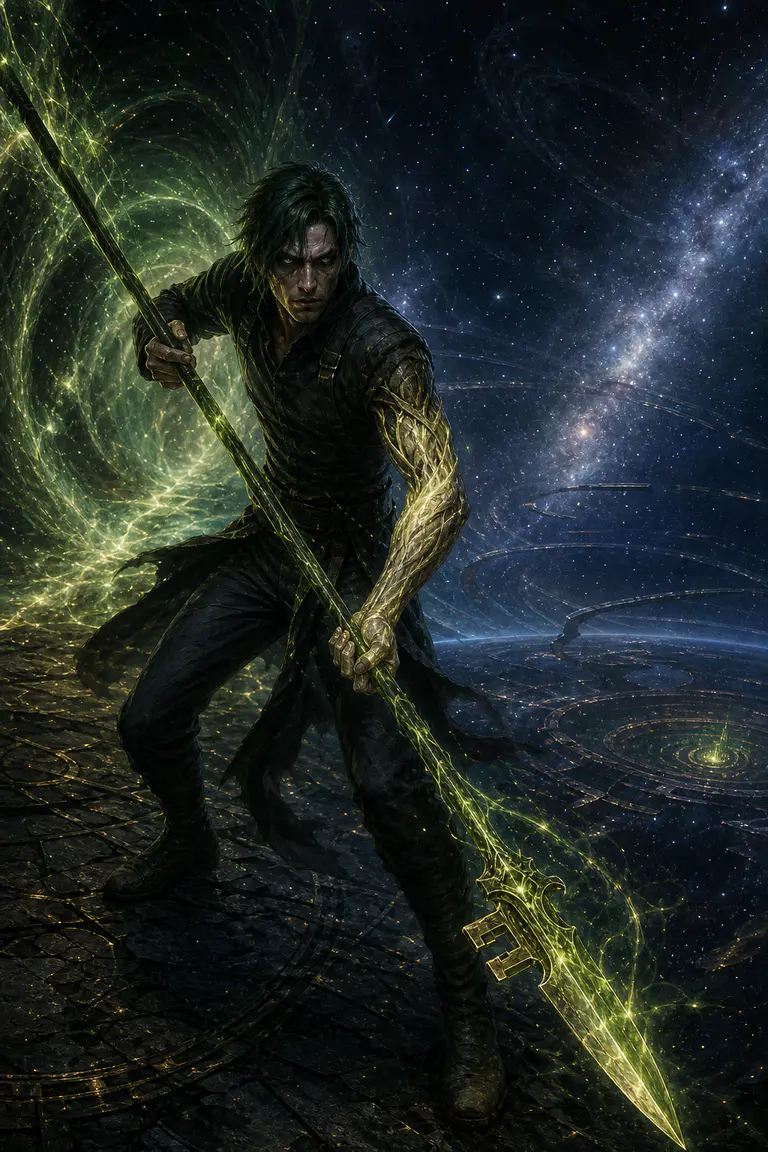
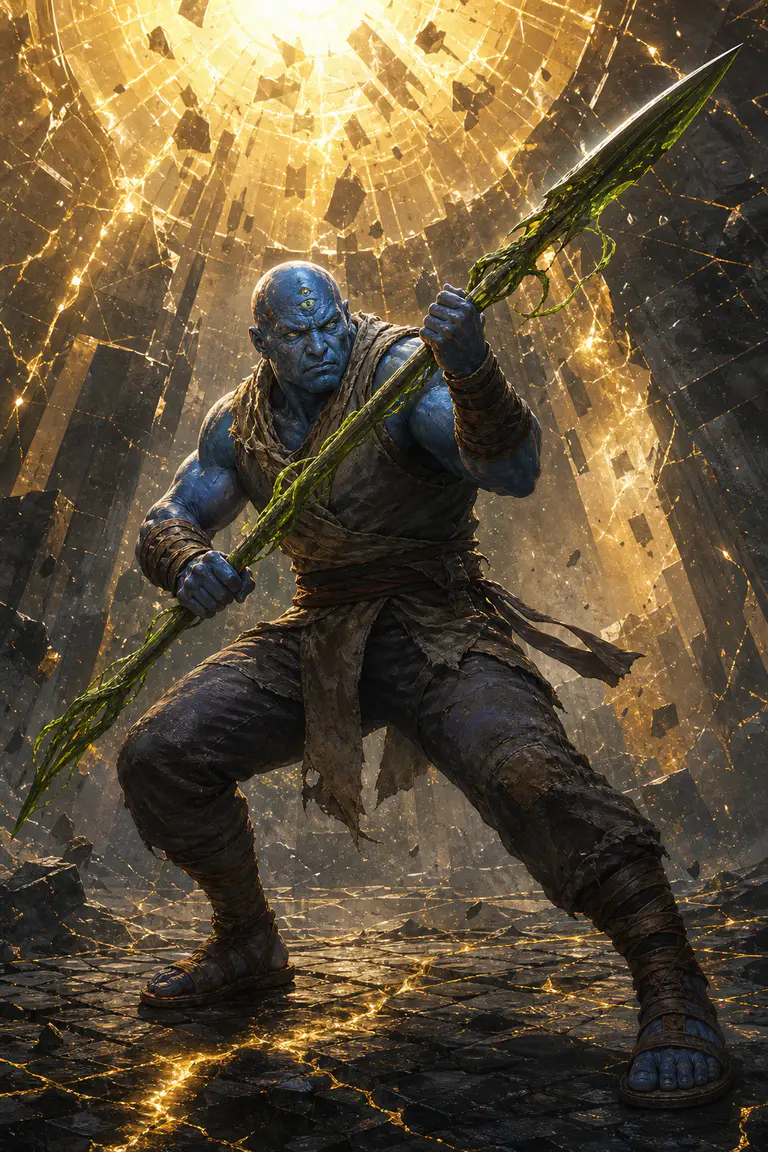
Randidly Ghosthound is alone in a high-level dungeon when the System arrives on Earth. Survival forces him to learn without a Class, submit to the spear training of the stranded warrior Shal, and build strength through Skills and Paths before most people understand the new rules. When he reaches the surface, that unusual foundation makes him powerful enough to change the fate of early settlements—but poorly suited to remaining inside any one of them.
The story follows the tension between Randidly's impulse to protect and his distrust of imposed authority. He helps build Donnyton, carries obligations between Earth and Tellus, develops images that become increasingly autonomous, and confronts the wider Nexus that administers Systemized worlds. The scale expands from settlement defense to conflicts over Aether, Nether, identity, memory, and the structures that decide which kinds of life are permitted to matter.
Relationships keep that expansion from becoming a simple sequence of stronger enemies. Shal's discipline, Helen's rivalry, Neveah's independent consciousness, Alana's determination to outgrow dependence, and the choices of Vualla, Devick, Pine, Acri, and Sulfur repeatedly challenge Randidly's belief that he should carry every dangerous burden alone. His central problem is not merely how to gain power, but how to use it without turning care into control.
World and the System
The System assigns Skills, Paths, Classes, levels, attributes, quests, and rewards, but those mechanisms do not form a single straightforward ladder. Levels strengthen a Class holder, Skill rarity marks qualitative evolution, and Paths reward patterns of choice or achievement. Randidly's long classless period demonstrates that substantial growth can occur outside ordinary leveling, while later damaged or self-created Classes show that advancement also depends on identity and the structures a person is willing to accept.
Images translate self-conception, memory, and sustained practice into force. A coherent image can reinforce combat techniques, create domains, shape environments, or develop enough agency to challenge its originator. Soulskills extend that principle into internal worlds, and Randidly's evolving inner world eventually supports residents and natural laws of its own. Image strength is contextual rather than a numbered rank: clarity, significance, conflict, and the relationship between an image and its user matter as much as raw energy.
Aether and Nether provide two broader approaches to reality. Aether constructs stable forms and powers much of the System's visible machinery. Nether organizes significance through weight, Connections, Scope, Influence, and related qualities, making relationships and accumulated meaning operational forces. The Nexus privileges Aether and suppresses much Nether knowledge, so learning how the two interact becomes both a technical problem and a political threat.
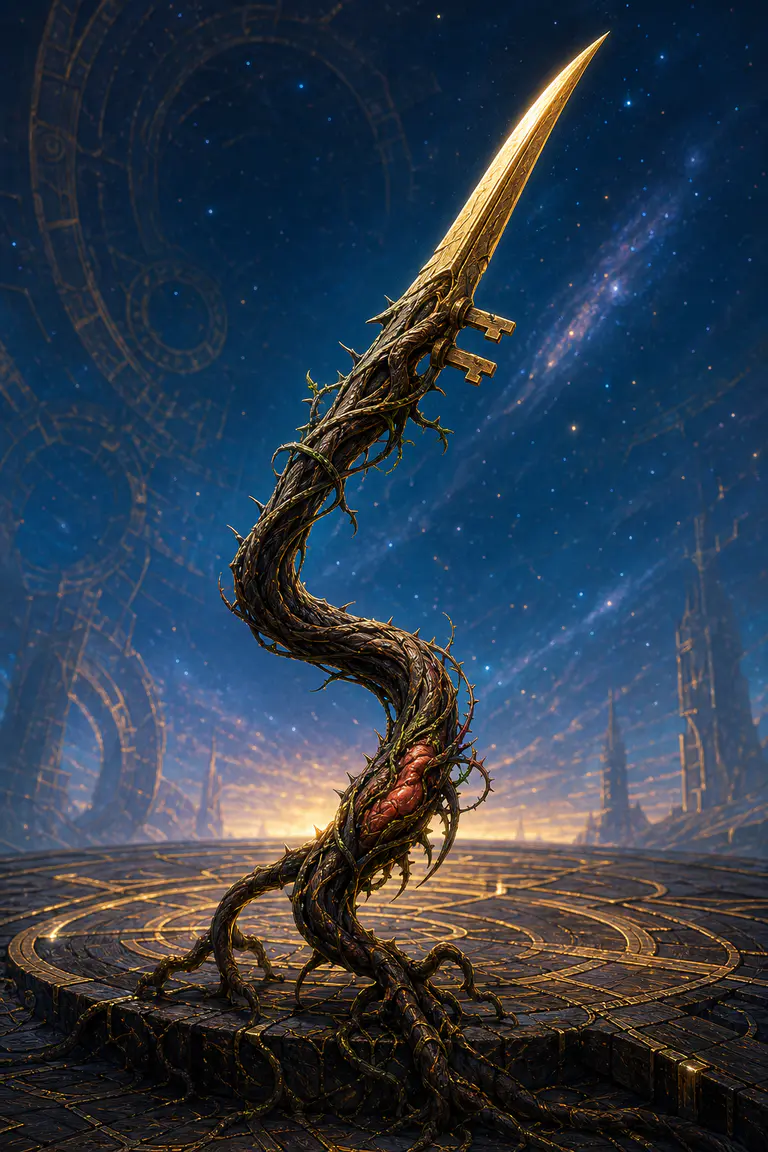
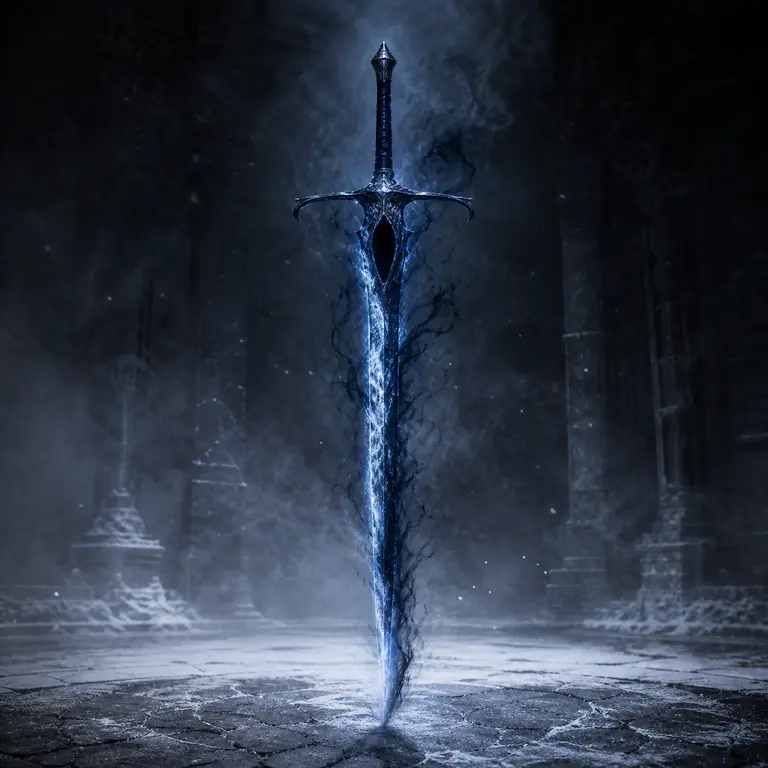
Fatepieces, Fatesets, Grand Fates, and Penance operate across these systems without replacing them. Fate-linked relics mature through use and trials, then combine to create interventions larger than any single item. Grand Fate and Penance demand choices with lasting metaphysical costs rather than granting uncomplicated upgrades. As a result, the most consequential advances are often decisions about limitation, identity, and responsibility, not merely increases in level or destructive power.