Way of Choices
Fourteen-year-old Chen Changsheng leaves Xining Village to cure his fatal condition and change his fate, rebuilding the Orthodox Academy as his search draws him into the struggle among Great Zhou, the Orthodoxy, the southern sects, demi-humans, and demons.
- Author
- Mao Ni
- Status
- Completed
About the novel
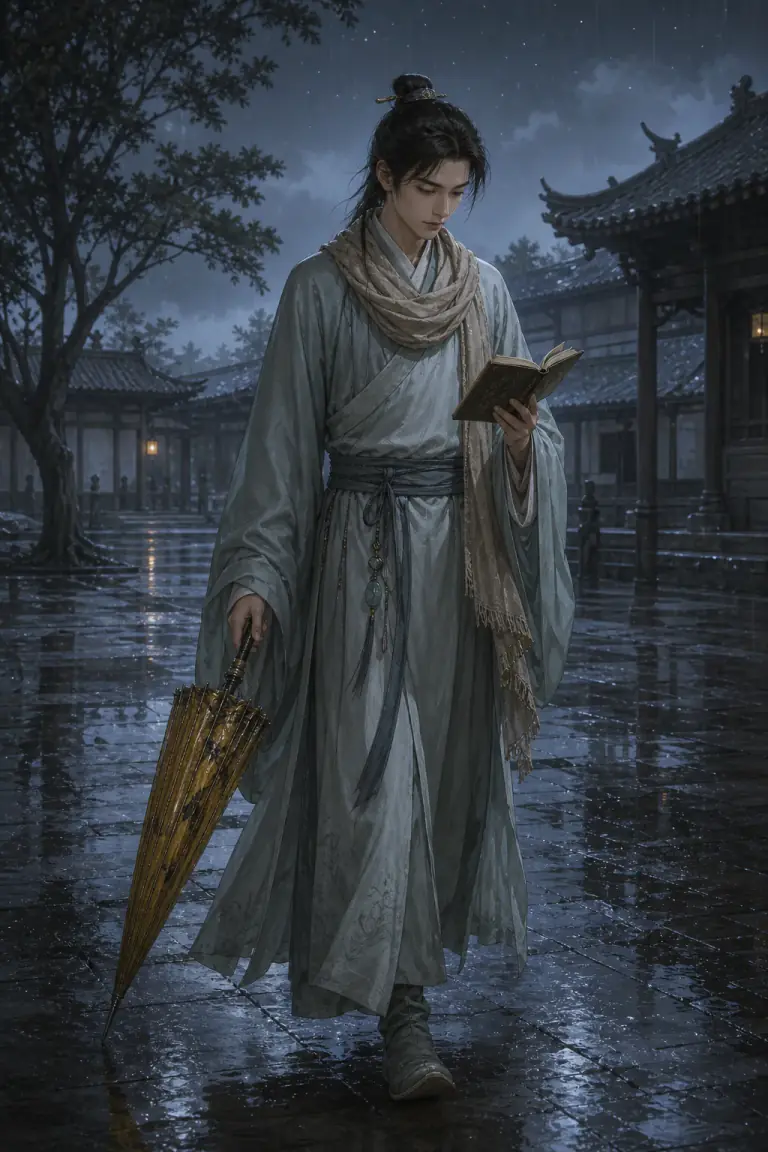
Way of Choices follows fourteen-year-old Chen Changsheng, raised in a remote Daoist temple and told that a fatal condition in his meridians will prevent him from living past twenty. He leaves Xining Village for the capital to search for a cure and change his fate. Rejection by established schools leads him to reopen the abandoned Orthodox Academy, where textual knowledge, medicine, and principled decisions attract companions whom the political order had overlooked.
The Grand Examination, Heavenly Tome Mausoleum, Garden of Zhou, and conflicts within the Orthodoxy place Chen at the center of struggles among the Great Zhou court, southern sects, demi-humans, and demons. His engagement to Xu Yourong becomes both a political symbol and a personal relationship formed outside the roles others assigned them. The story repeatedly contrasts people treated as pieces of destiny with choices made through careful knowledge and mutual recognition.
World and cultivation
Cultivators undergo Purification, Meditation, Ethereal Opening, Star Condensation, and higher transformations by opening meridians, drawing starlight, forming connections to natal stars, and comprehending sacred texts. Academies and sects preserve different teachings, while the Heavenly Tomes influence both individual breakthroughs and the legitimacy of institutions. Chen's damaged meridians make medicine, scripture, and exact control especially important to his path.
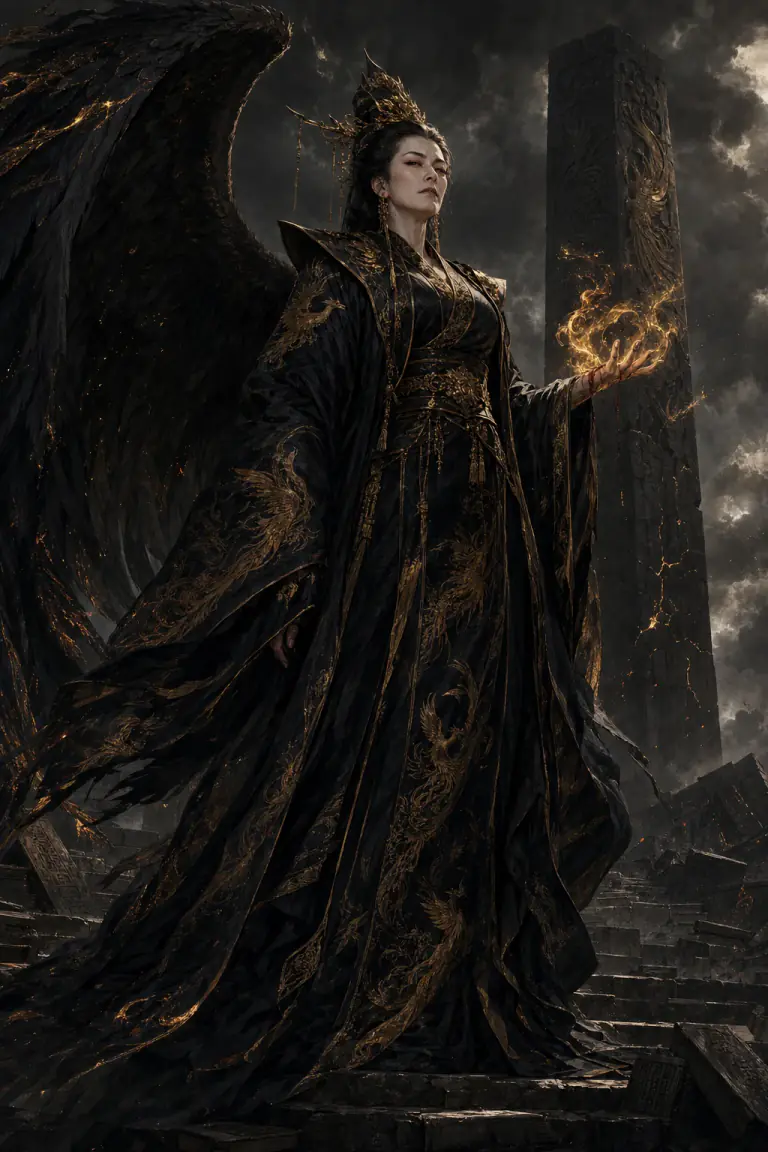
The Orthodoxy, imperial court, southern Holy Maiden tradition, demi-human territories, and demon realm combine religious and political authority with cultivation power. Bloodlines such as the Heavenly Phoenix provide exceptional potential, but leadership also depends on public ritual, alliances, and command in war. Sword intent and accumulated techniques can be coordinated into systems whose effectiveness comes from understanding their relationships rather than simply possessing many moves.