My House of Horrors
Chen Ge inherits his missing parents’ failing House of Horrors and a black phone that assigns dangerous supernatural missions. By turning resolved hauntings into new scenarios and offering displaced spirits a home, he builds the attraction into a bridge between ordinary Jiujiang and the worlds behind blood-red doors.
- Author
- I Fix Air-Conditioner
- Status
- Completed
About the novel
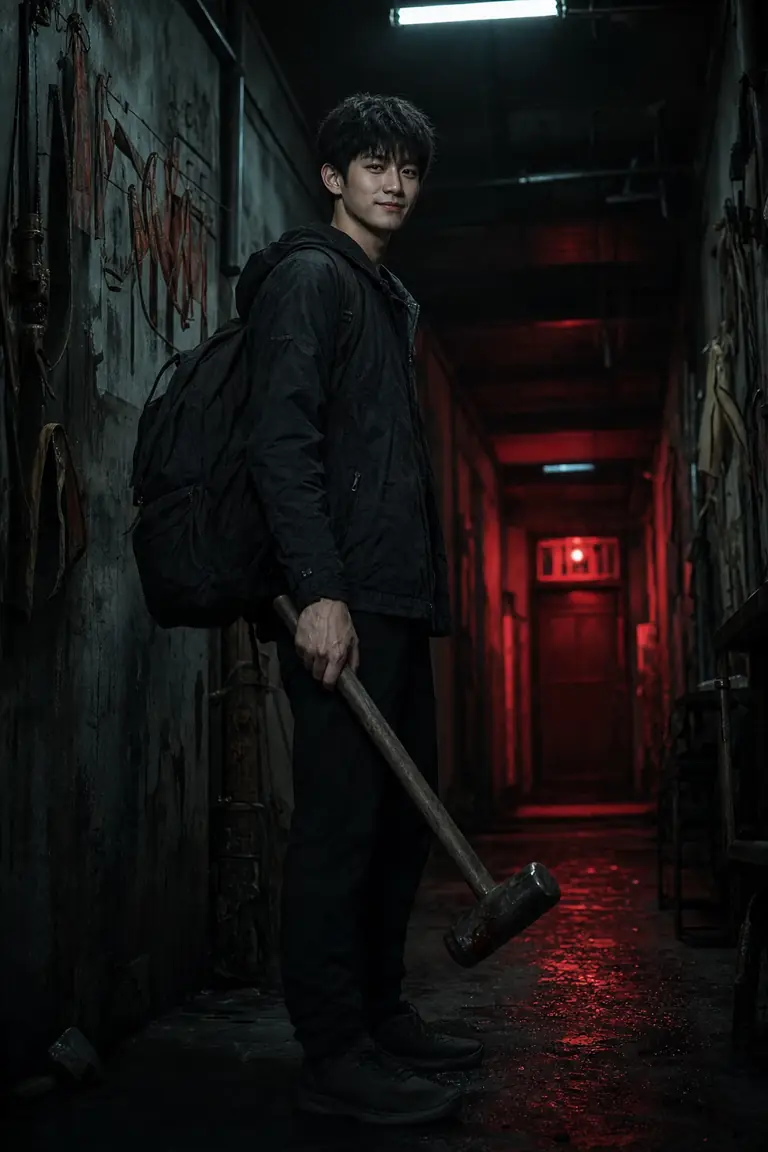
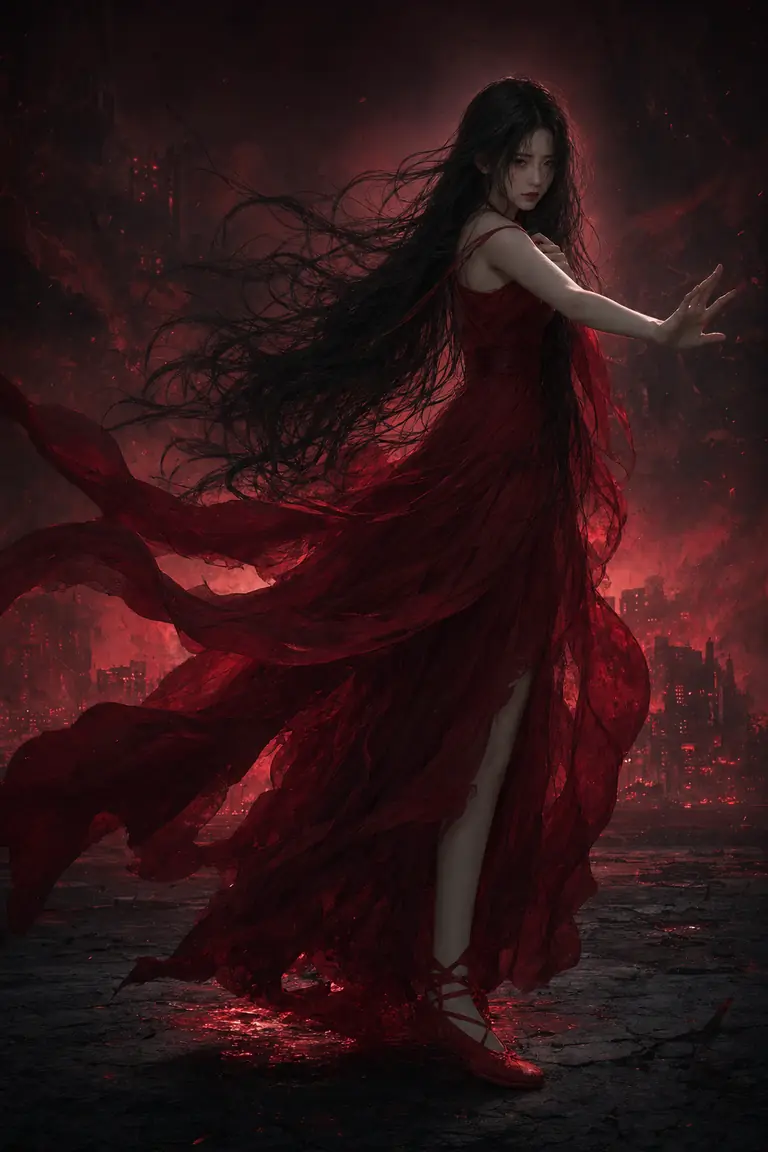
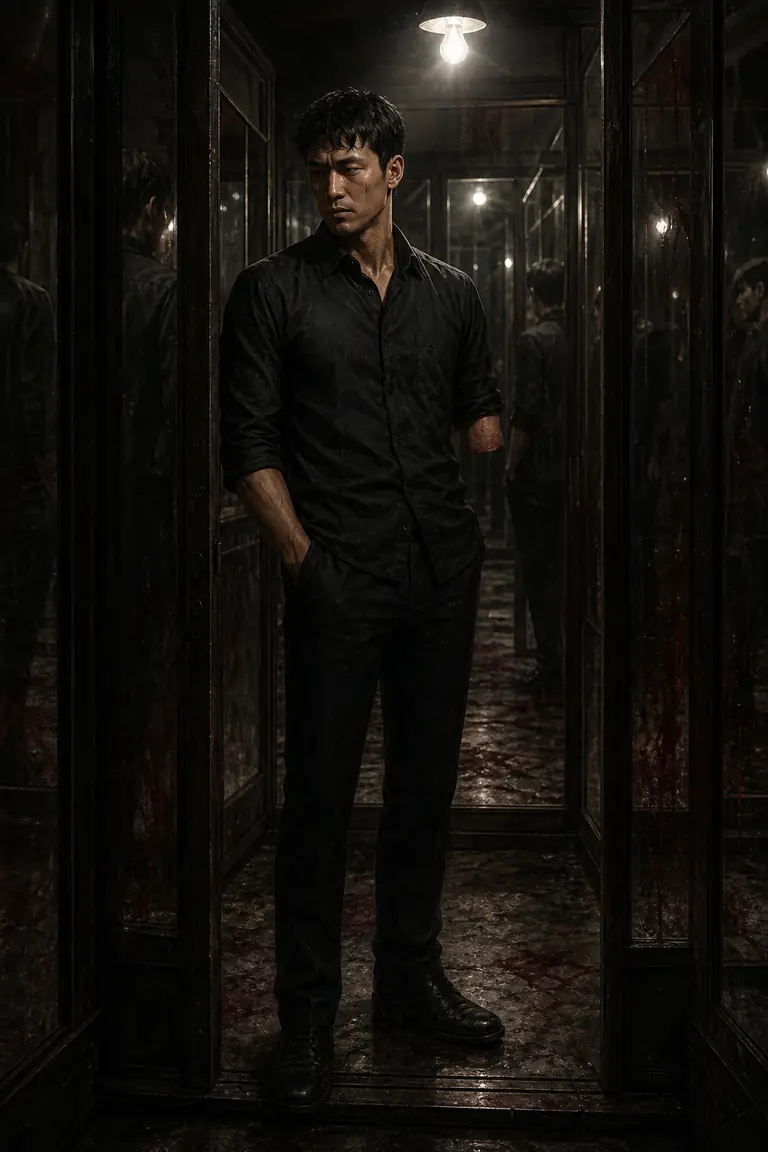
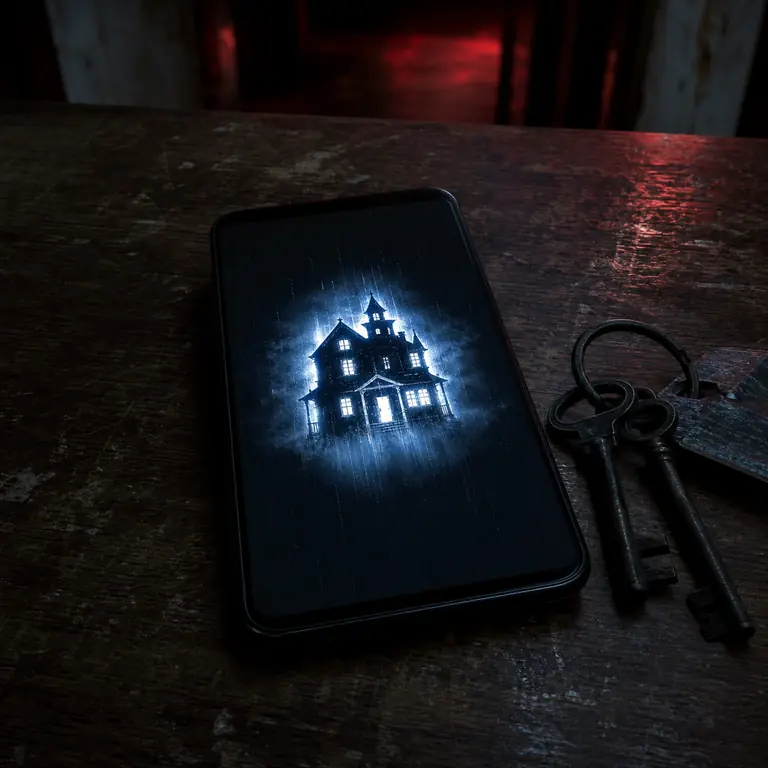
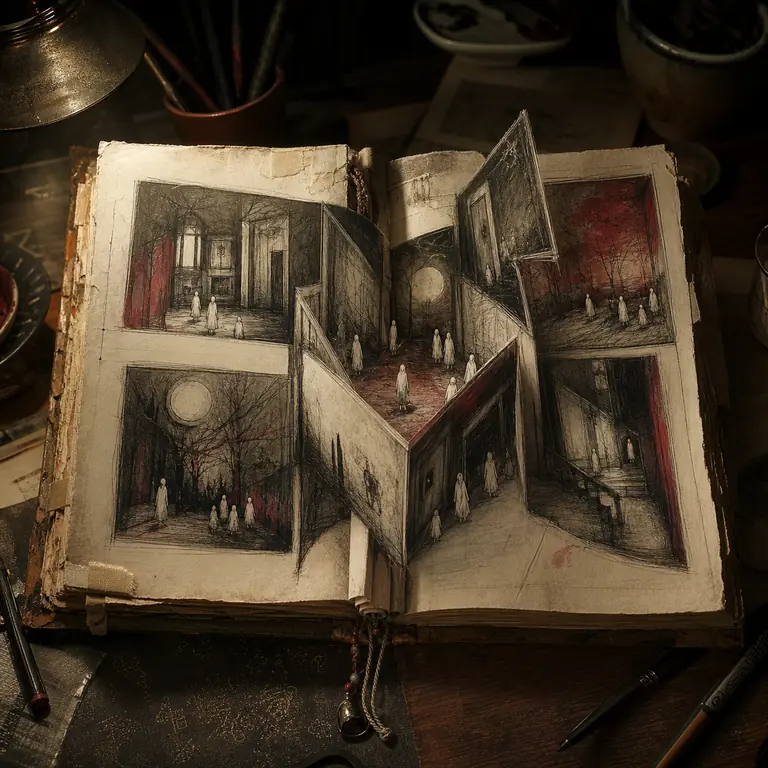
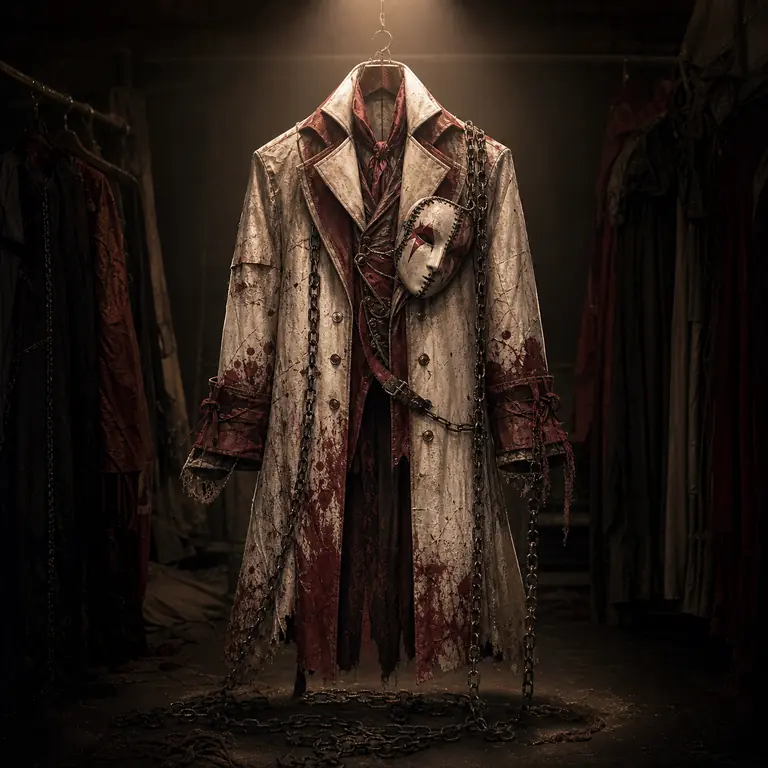
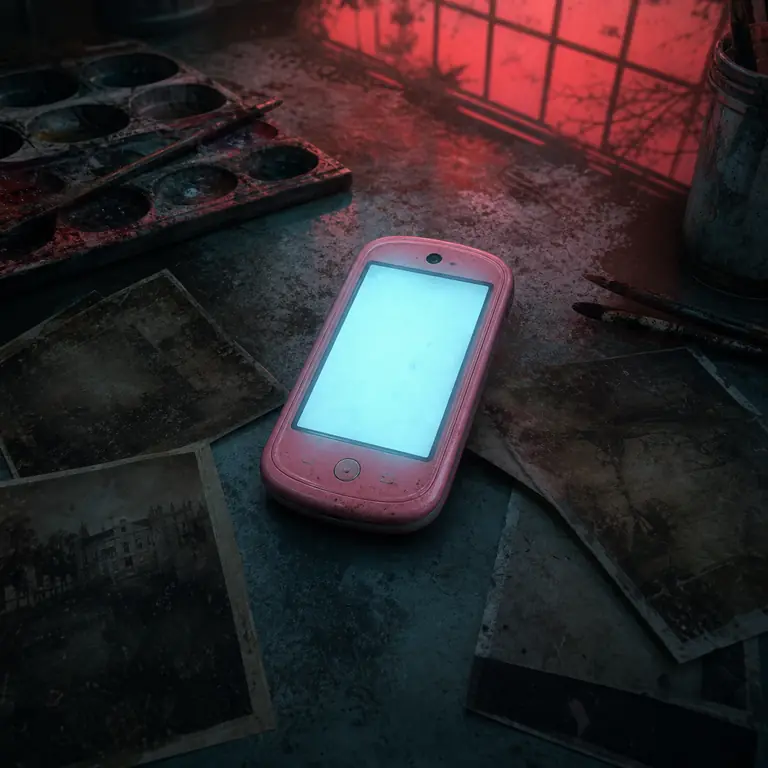
My House of Horrors follows Chen Ge, the young owner of a failing haunted attraction in New Century Park. Six months after his parents disappear, a black phone they left behind begins assigning missions at places shaped by murder, grief, and supernatural memory. Completing those missions brings new scenarios and abilities, but it also makes Chen responsible for victims whose stories have been ignored and spirits who have nowhere else to go.
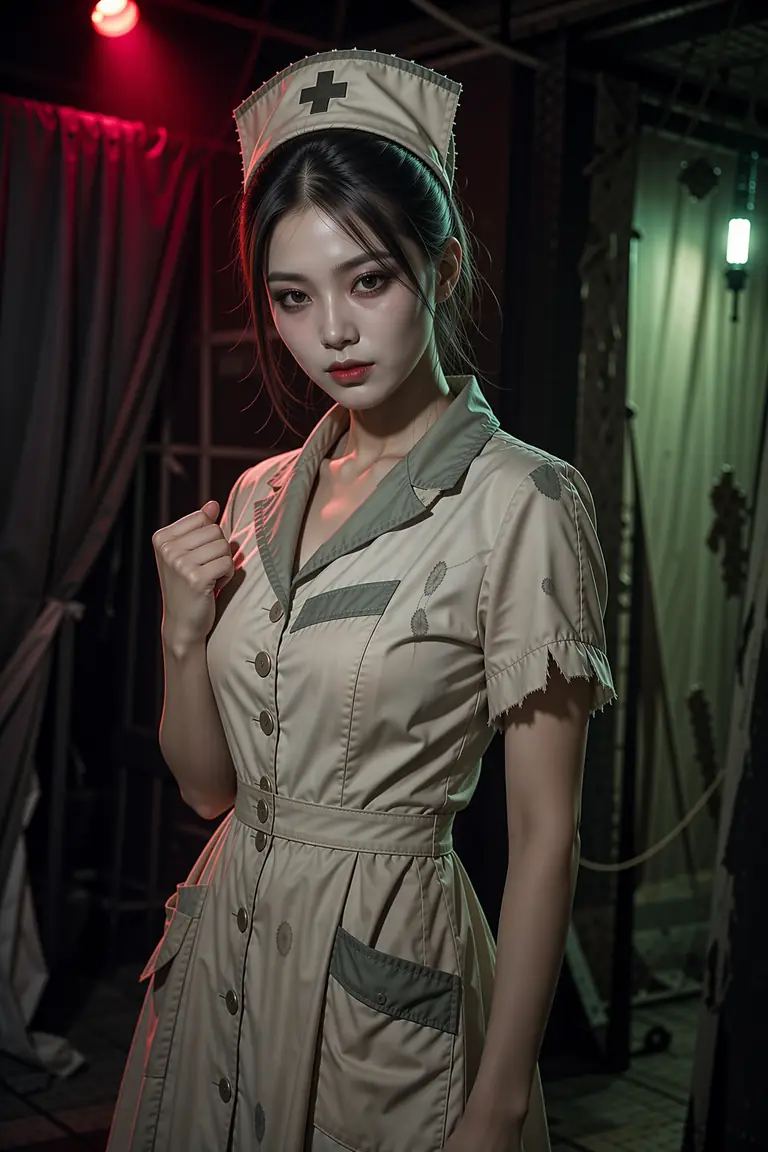
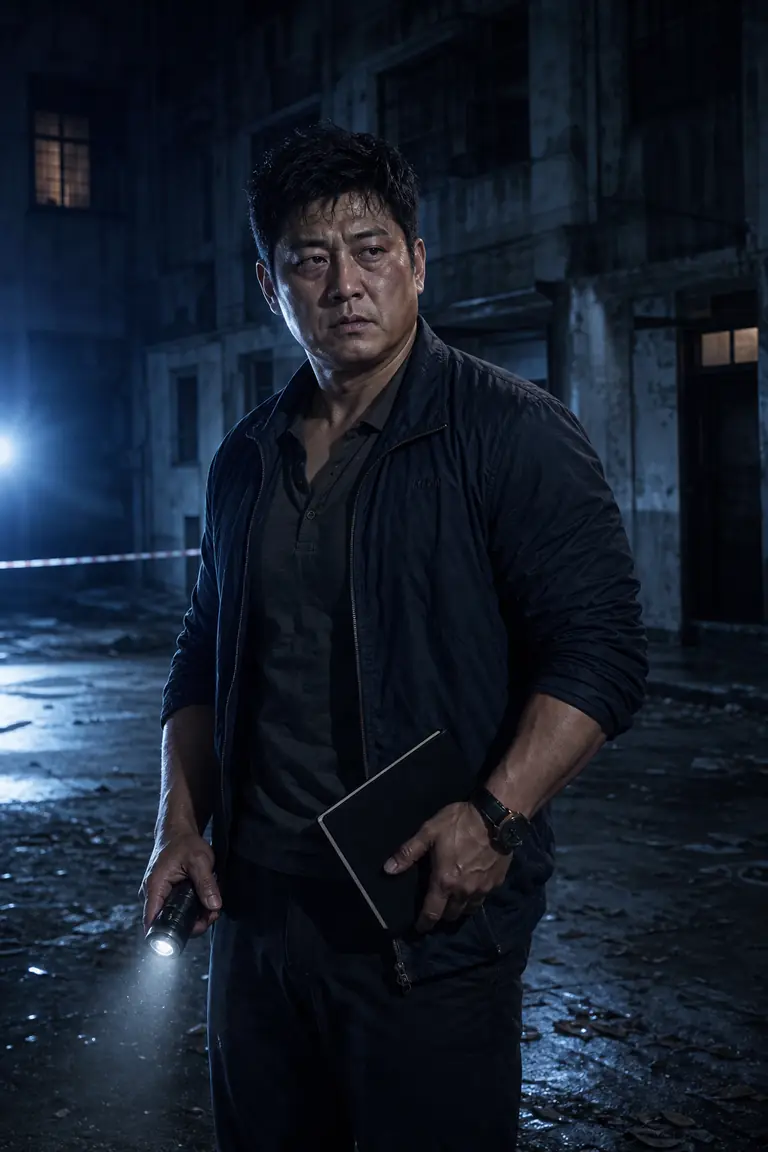
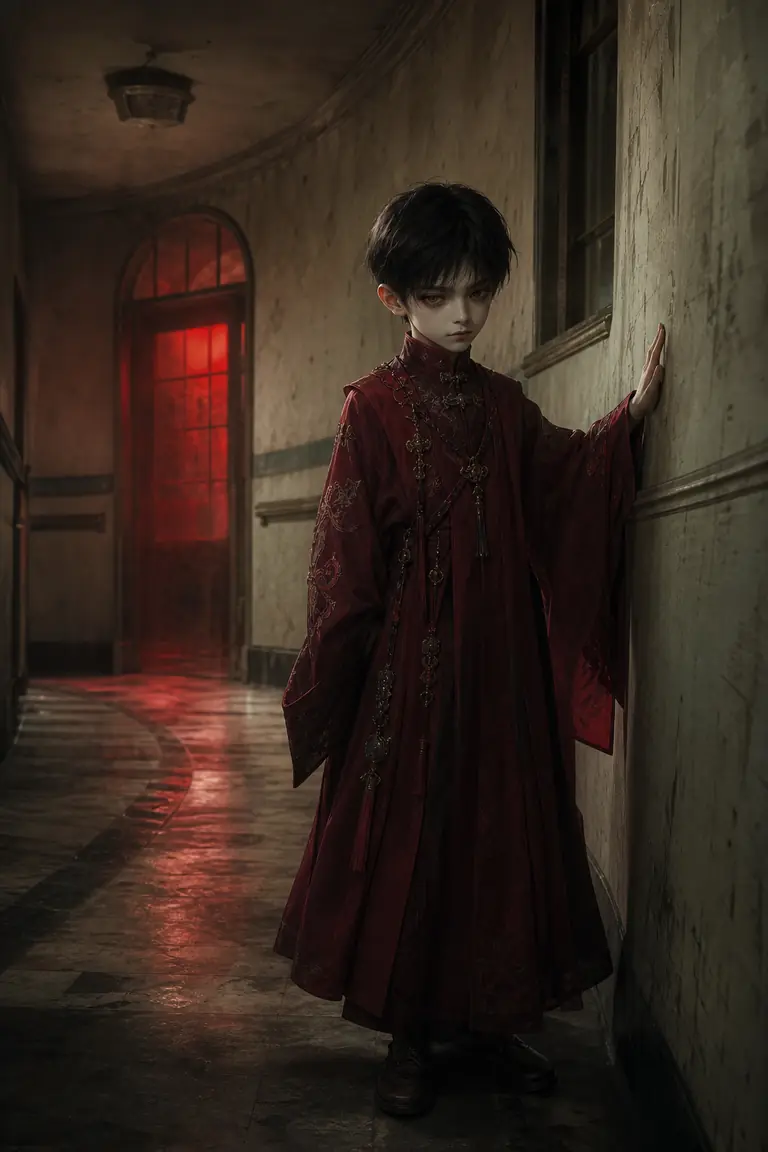
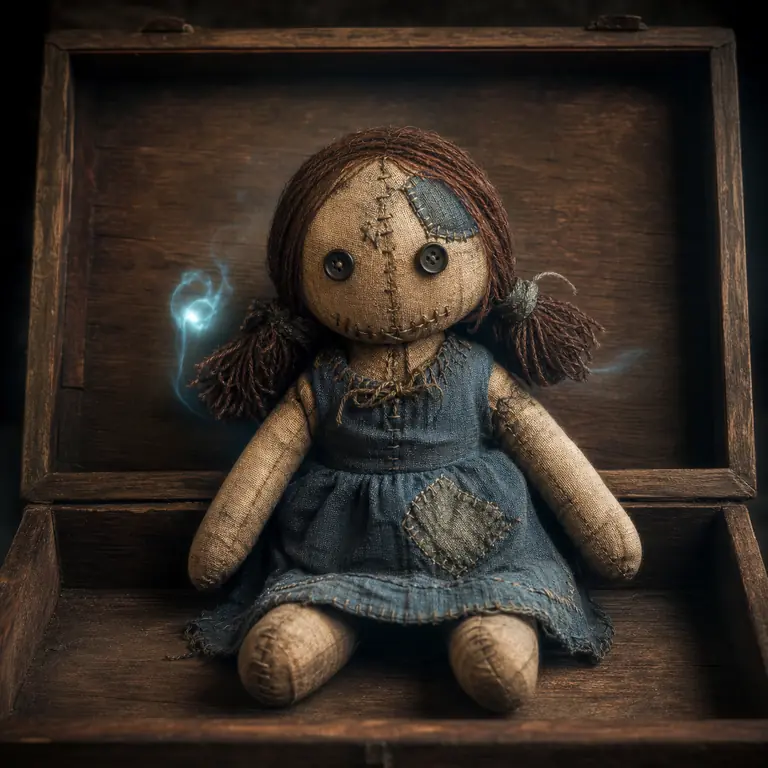
The House of Horrors grows because Chen turns solved hauntings into carefully managed attractions and invites displaced ghosts to join its staff. Police cases, park competition, missing children, and increasingly dangerous doors gradually connect ordinary Jiujiang to a conflict involving red cities and the black fog beyond them. The story’s central question is less whether fear can be defeated than whether people consumed by it can recover their names, choices, and relationships.
World and the supernatural
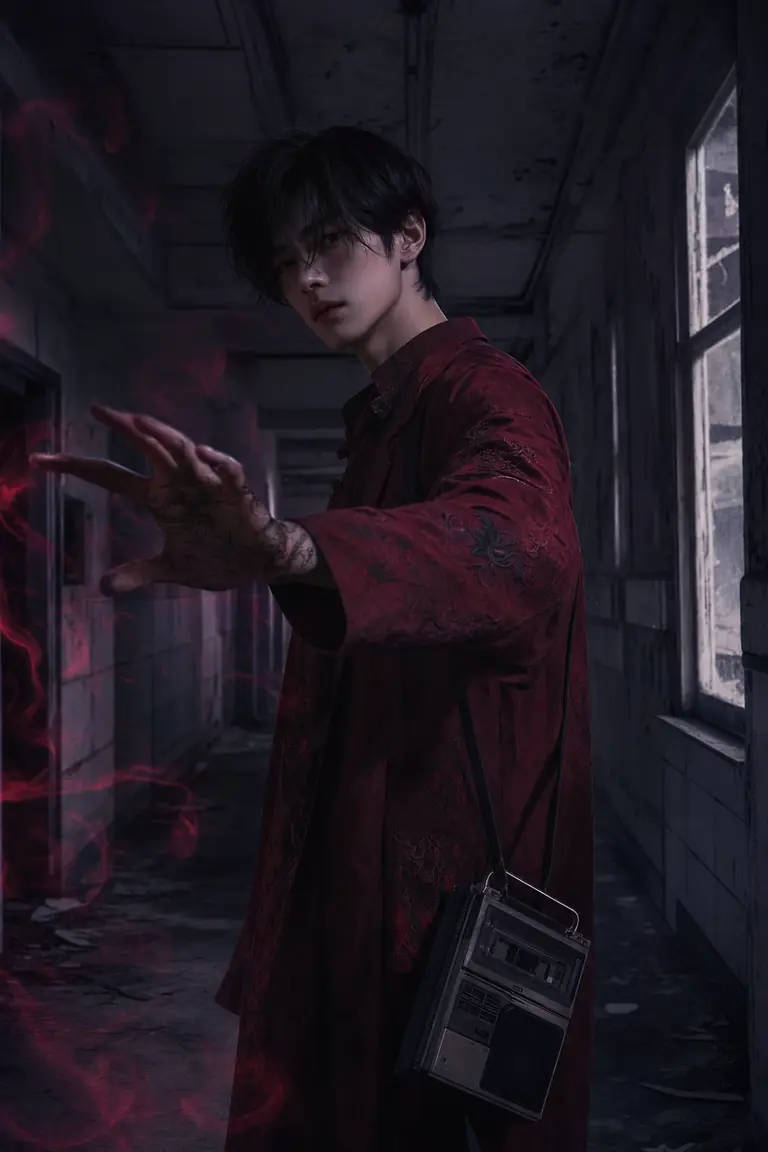
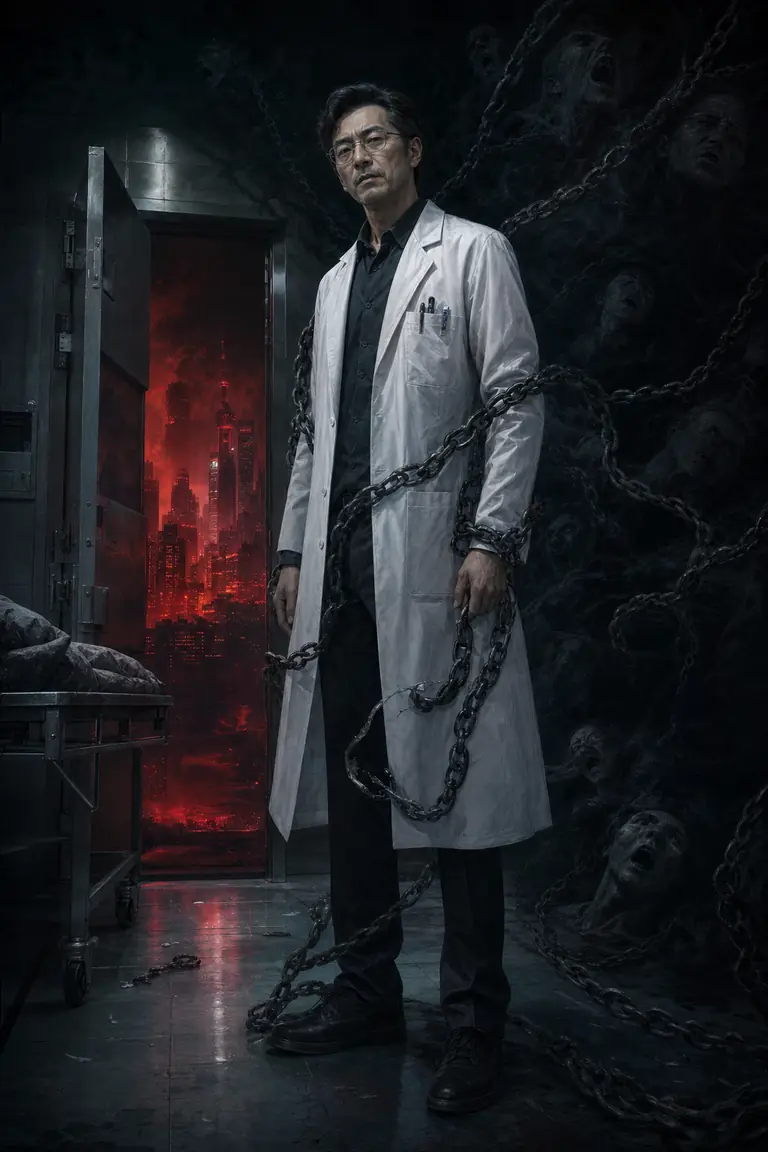
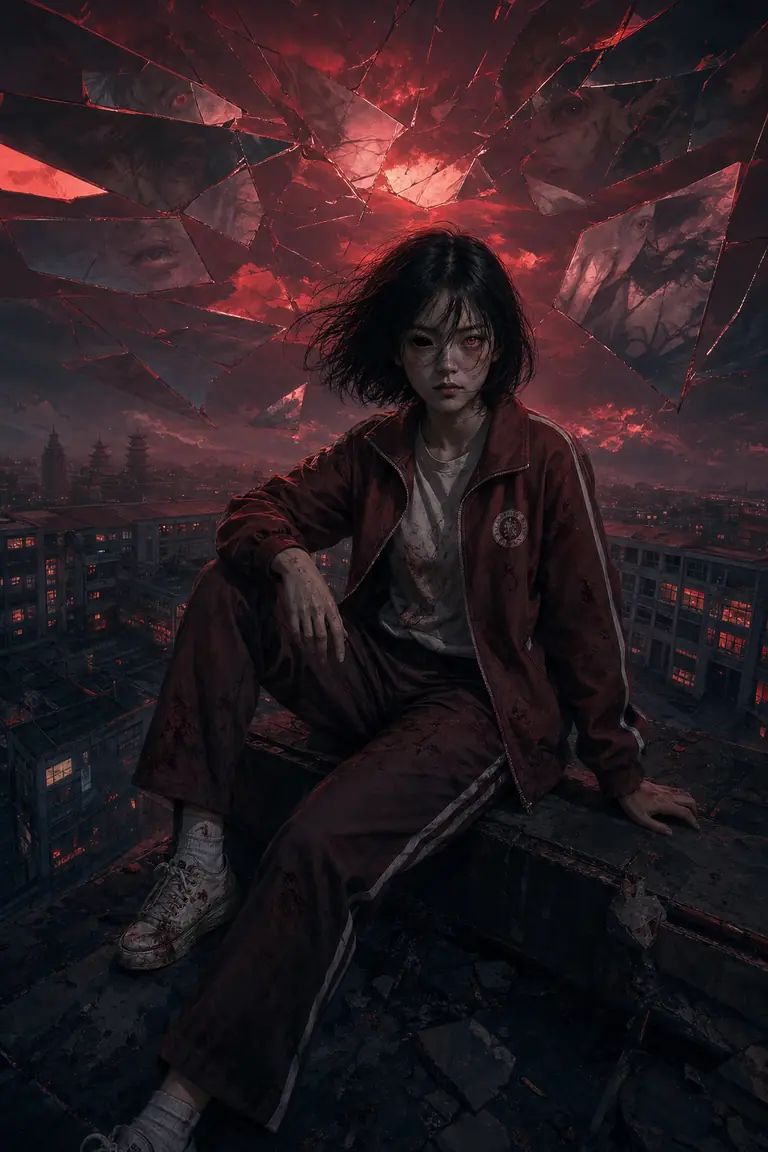
Blood-red doors lead to worlds formed from abandoned memories and concentrated negative emotions. A door-pusher may control or protect one of these spaces, while specters range from lingering and baleful spirits through Red Specters and the rare Demon Gods. Their strength is tied to pain, resentment, attachment, and identity rather than a single universal training path. The red city embodies hope and salvation that survive within despair; the surrounding black fog expresses pain, death, and emptiness that can swallow both people and door worlds.
The black phone organizes Chen’s progress through daily, nightmare, trial, and special missions, graded scenarios, employee records, and rewards. Its interface gives structure to the danger without making the supernatural impartial or predictable. At the House of Horrors, visitors’ fear and attention allow forgotten spirits to touch ordinary human emotion again, while resolved wishes can reduce resentment. This makes the attraction both a business and a refuge: a controlled meeting place between the living and the dead.