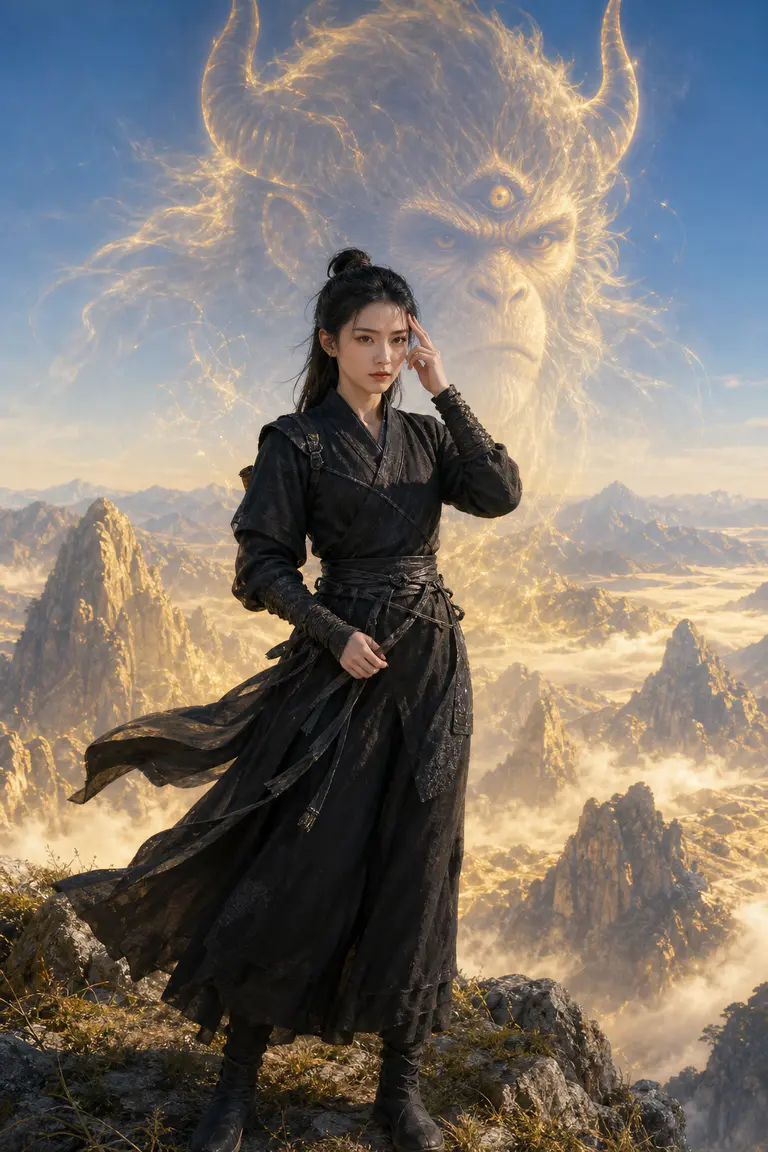
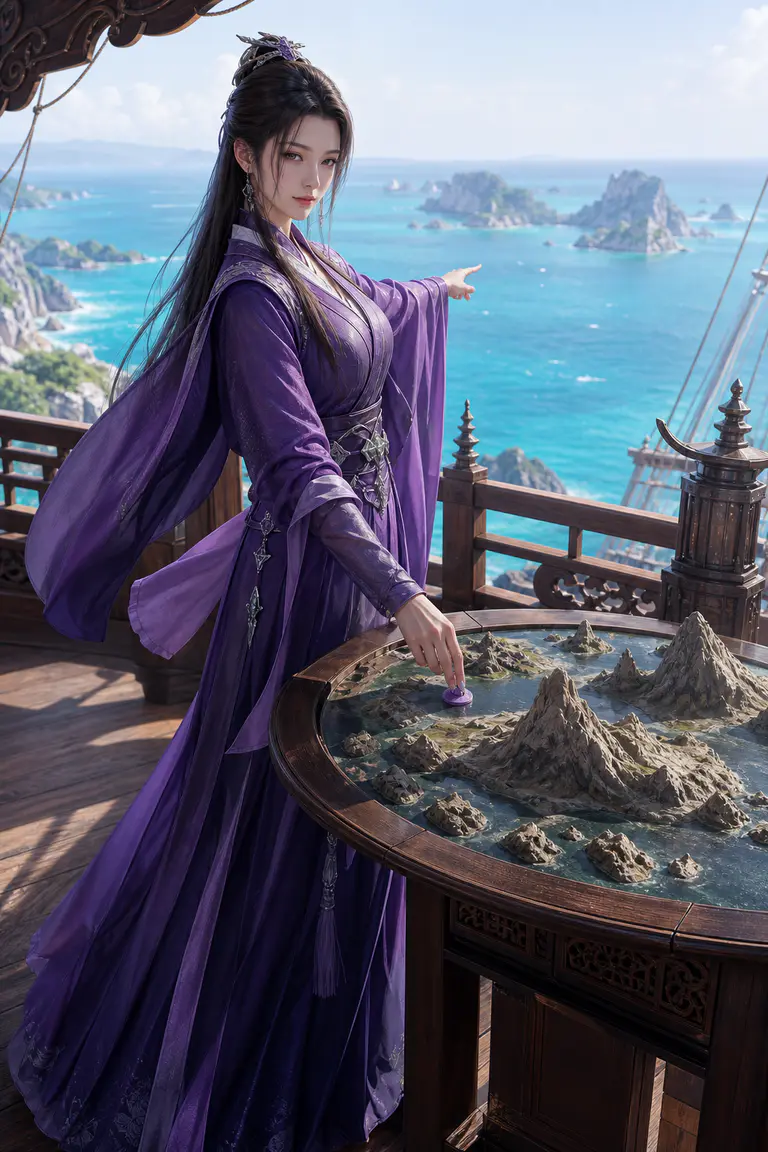
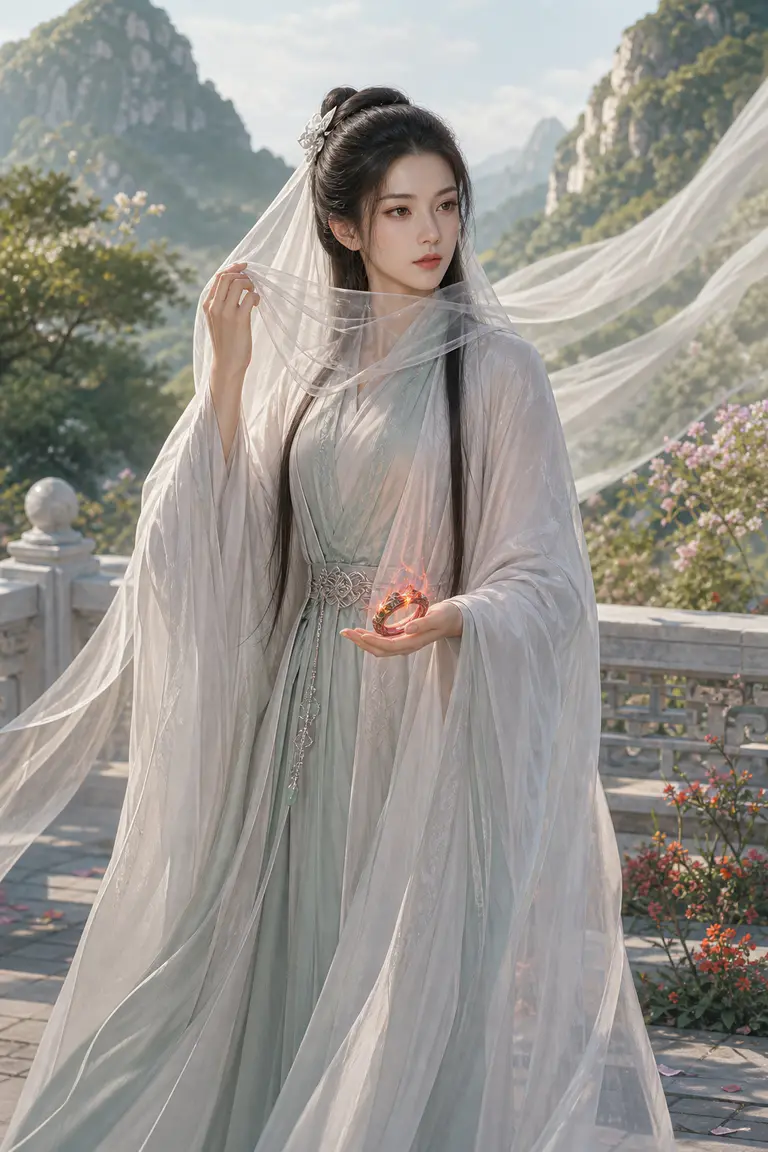
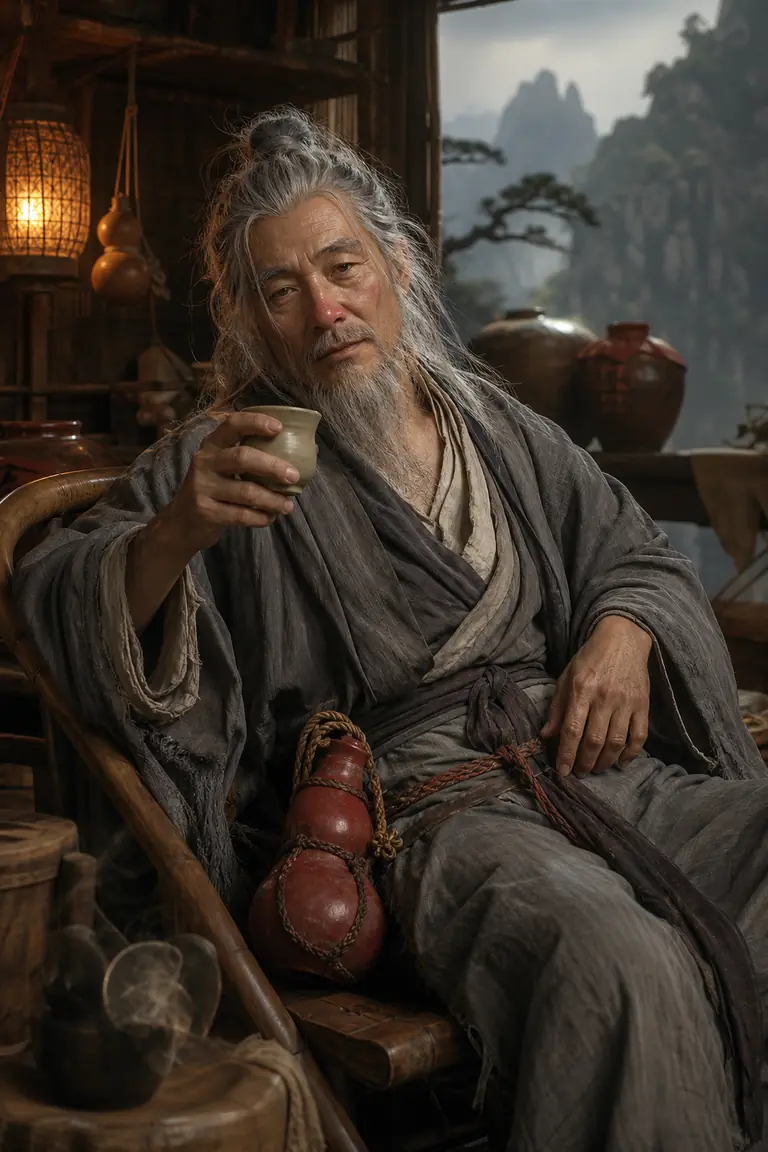
A Record of a Mortal's Journey to Immortality
Han Li, an ordinary village boy with limited aptitude, enters the cultivation world through a provincial martial sect and follows a cautious path across the Human, Spirit, and True Immortal realms, relying on preparation, rare treasures, and hard-won alliances to pursue immortality without surrendering his freedom.
- Author
- Wang Yu
- Status
- Completed
About the novel
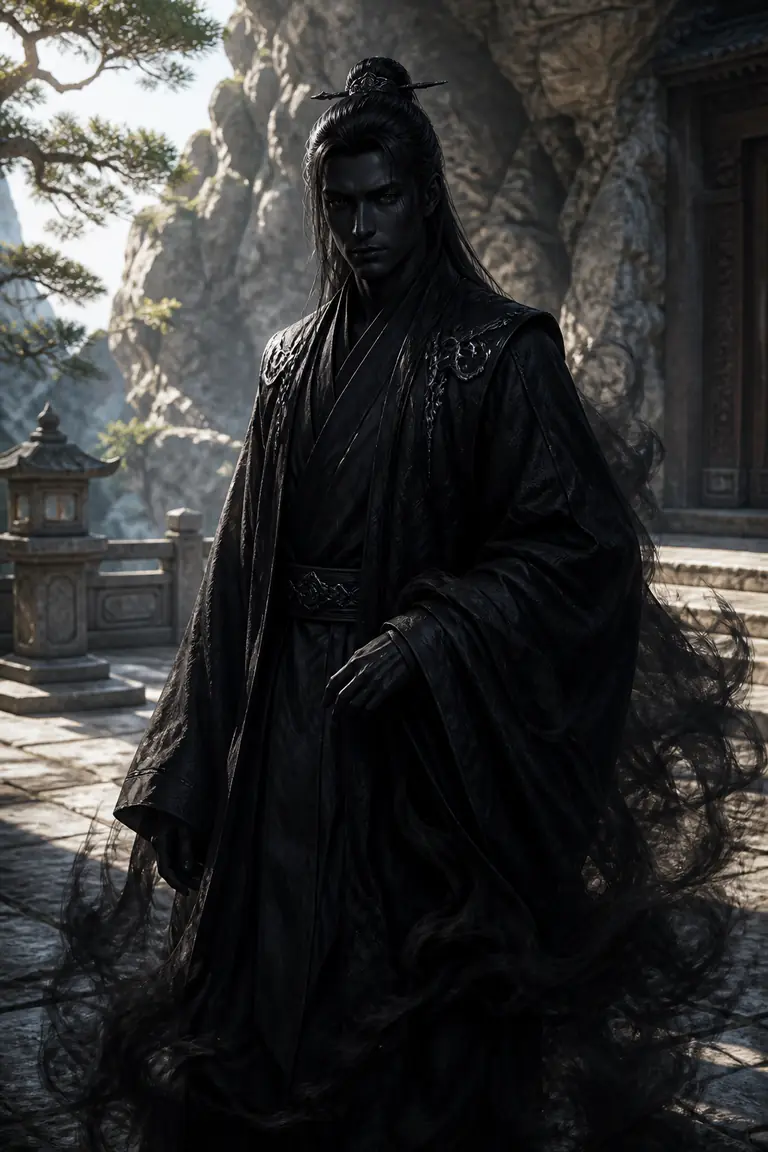
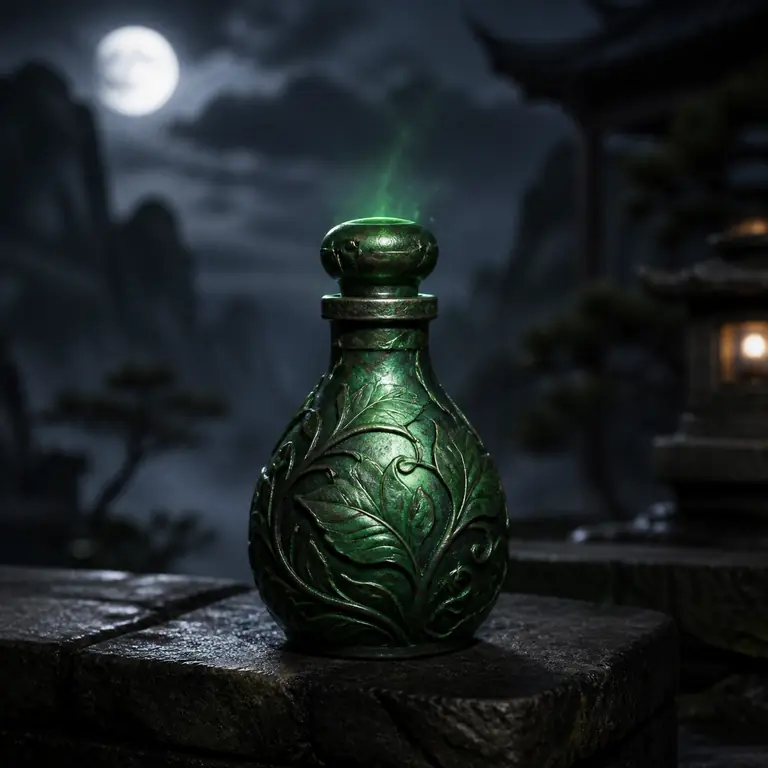
A Record of a Mortal's Journey to Immortality follows Han Li from a poor village into the Seven Mysteries Sect, where a medical apprenticeship gives him his first cultivation art and his first lesson in the danger of powerful patrons. His aptitude is ordinary, but a mysterious green vial, patient planning, and an unwillingness to gamble his life carelessly let him build advantages that more celebrated talents overlook. The story expands from local martial rivalries into the sect wars of the Heavenly South, the Scattered Star Seas, the Spirit Realm, and the True Immortal Realm.
Han Li's journey is defined less by public heroism than by autonomy, preparation, and selective loyalty. He hides advantages, studies enemies, keeps escape routes, and avoids institutions that demand blind obedience. At the same time, promises to family, teachers, partners, and companions repeatedly draw him back into conflicts he could have escaped. His rise therefore changes the scale of his responsibilities without erasing the cautious mortal perspective that began the journey.
World and cultivation
Cultivation begins with Qi Condensation and proceeds through Foundation Establishment, Core Formation, Nascent Soul, Deity Transformation, Spatial Tempering, Body Integration, and Grand Ascension. Advancement depends on spiritual roots, techniques, resources, comprehension, and survival through increasingly dangerous bottlenecks. Body refinement, spirit-beast evolution, ghost cultivation, and other parallel paths interact with this ladder without always matching it stage for stage.
Beyond ascension, the immortal hierarchy runs from True Immortal through Golden Immortal, High Zenith, Great Encompassment, and Dao Ancestor. Immortal acupoints, law powers, spirit domains, and the severing of corpse souls become central to later breakthroughs. Profound Immortal body cultivation and Earthly Immortal faith cultivation provide parallel systems with different strengths and costs, while Dao Ancestors face assimilation into the Heavenly Dao when they exercise their laws too heavily.
Realms, sects, and factions
The early story moves among mortal provinces and cultivation sects before widening into the Heavenly South, the Scattered Star Seas, and the Great Jin. Yellow Maple Valley, the Masked Moon Sect, Star Palace, devilish sects, and many temporary alliances shape Han Li's first centuries. Movement between regions is difficult enough that exile, transportation formations, spatial nodes, and ascension gates repeatedly transform the cast and political balance.
The Spirit Realm is divided among human, demon, spirit, Elder Devil, and other peoples whose survival depends on defended cities, racial alliances, and Grand Ascension protectors. The True Immortal Realm adds continental sects, the Transient Guild, the Reincarnation Palace, Heavenly Court, and conflicts among cultivators of the paramount laws of time, space, and reincarnation. Institutions offer techniques and protection, but their hierarchies also create the coercion Han Li continually resists.
Treasures and cultivation resources
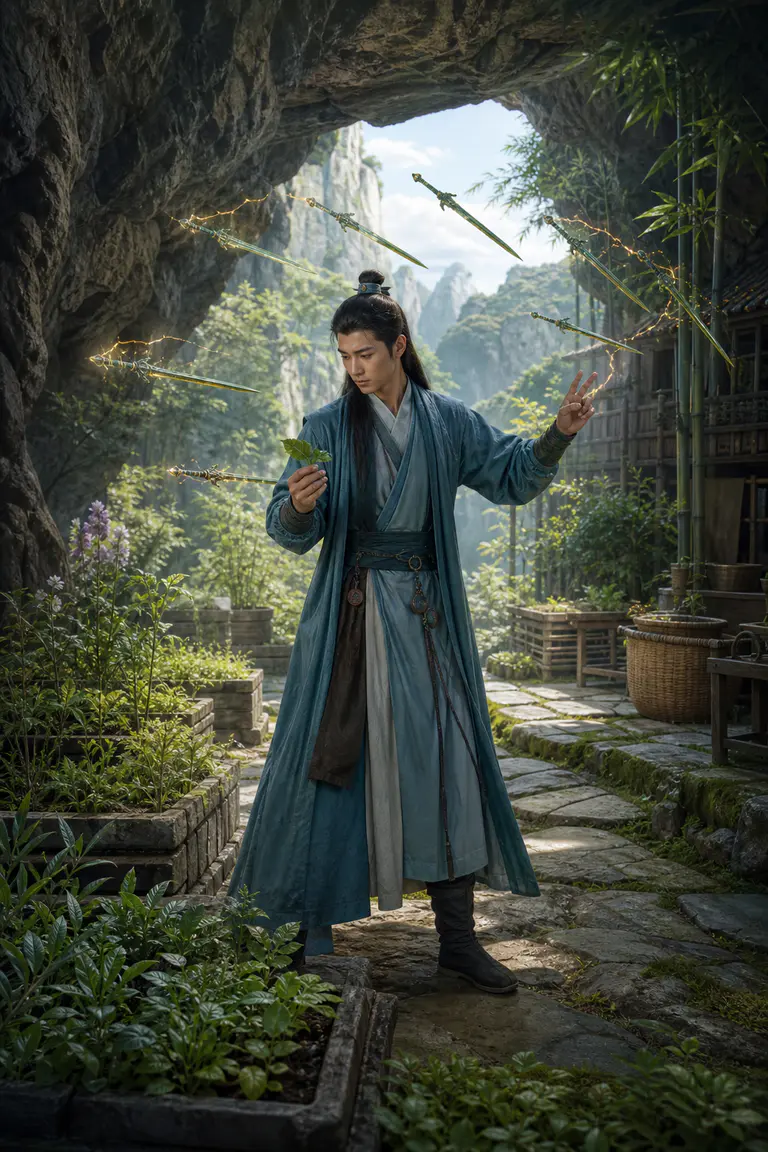
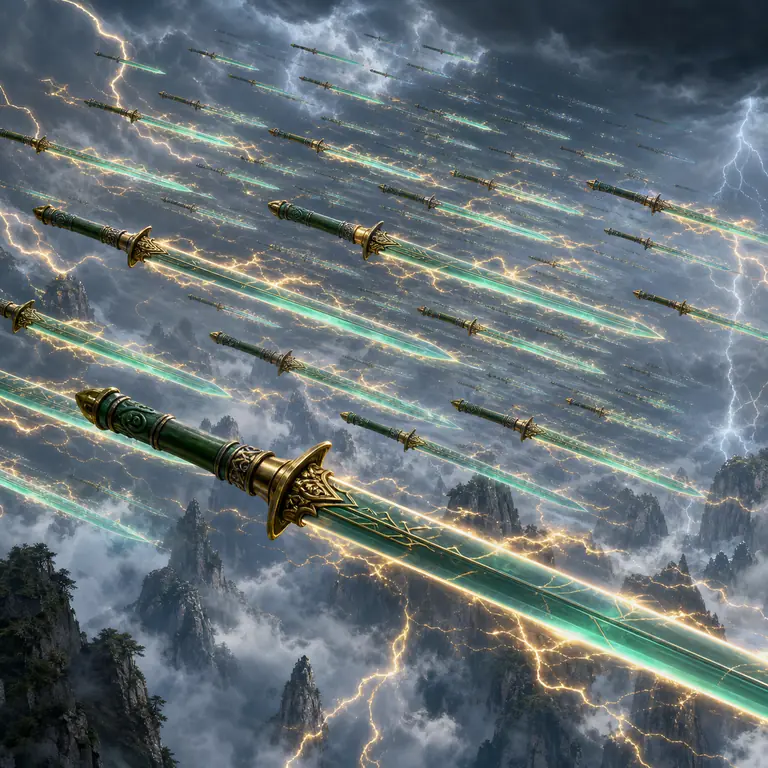
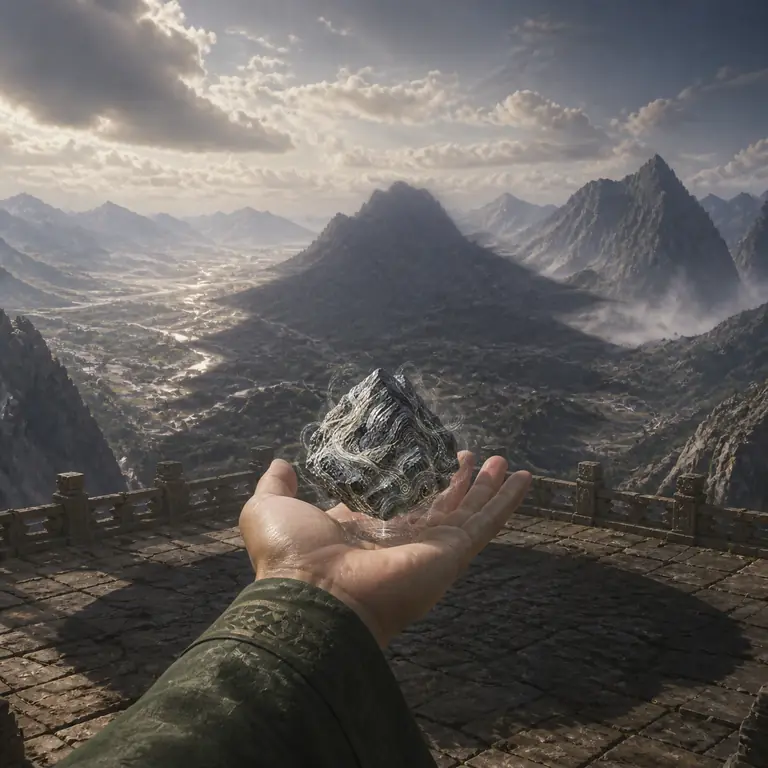
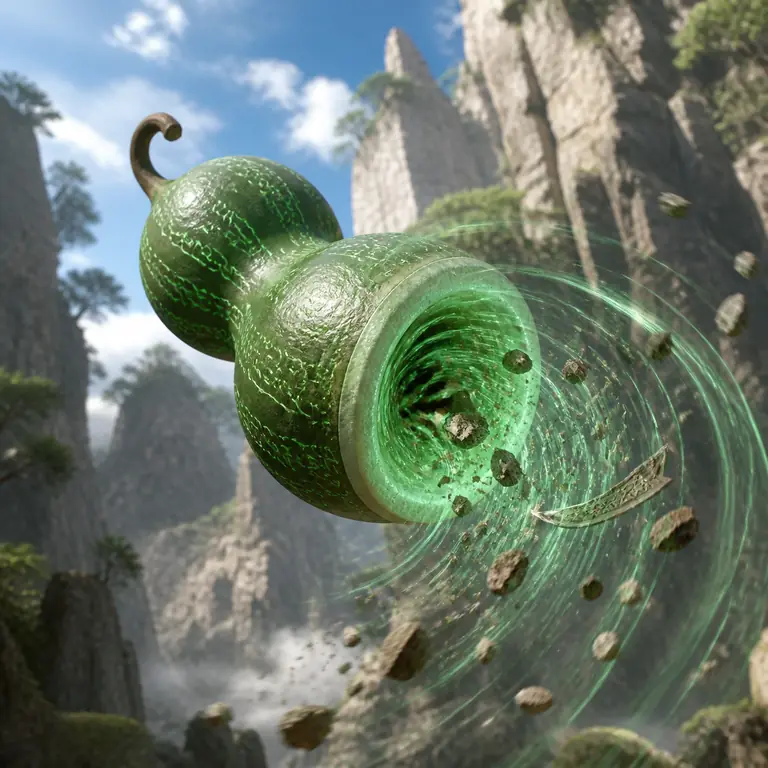
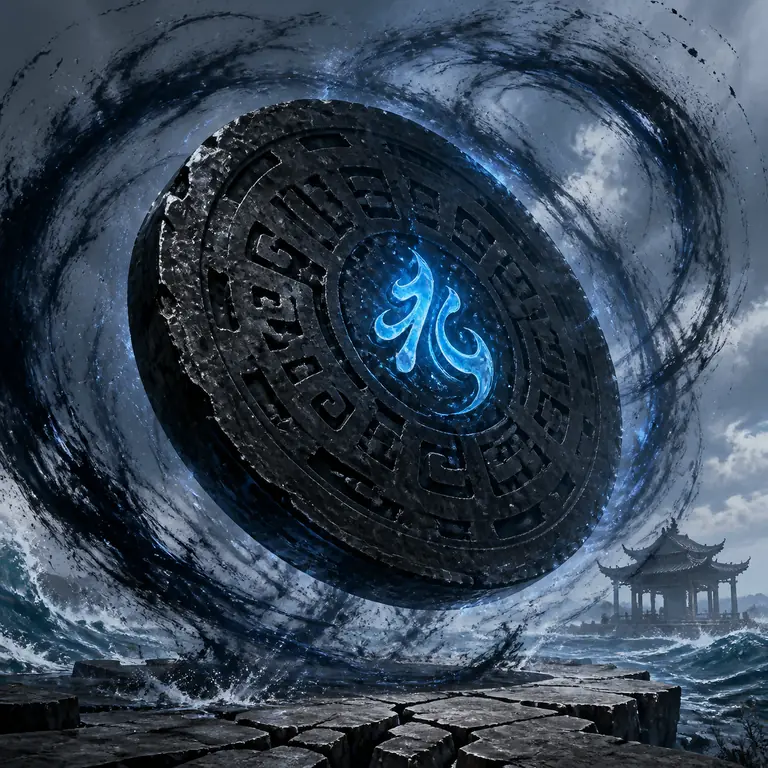
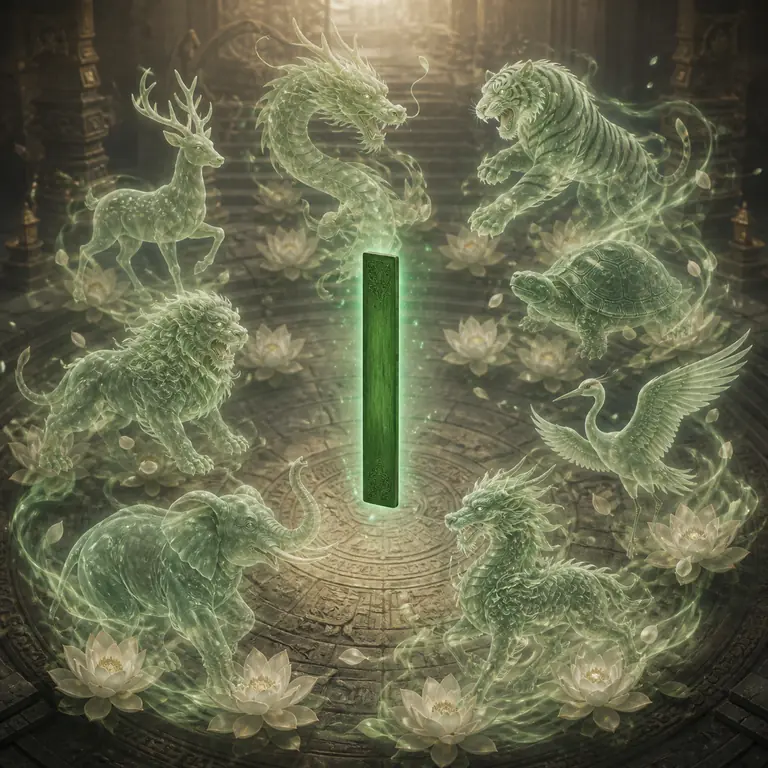
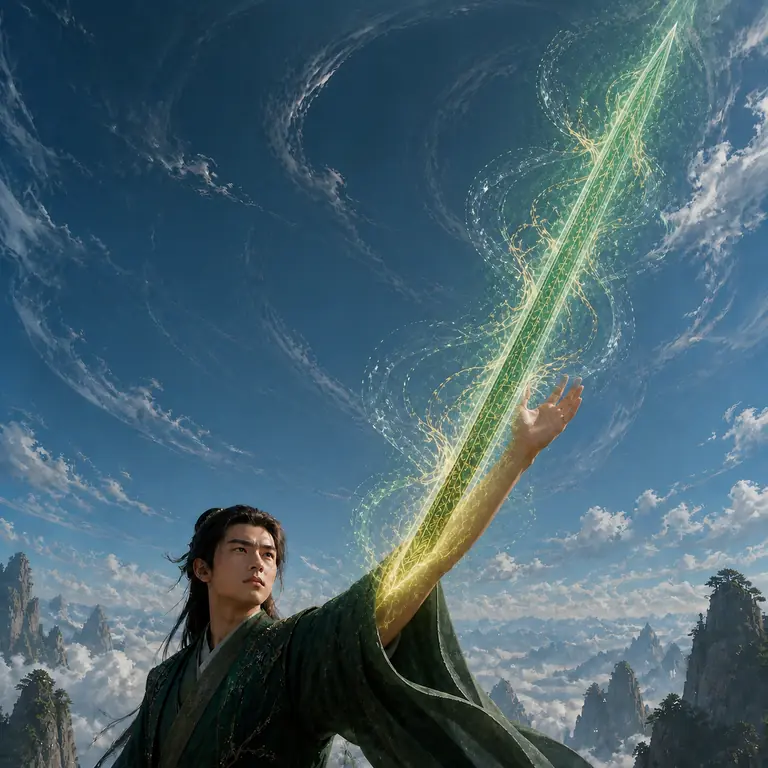
Rare medicines, spirit stones, demon cores, lightning bamboo, law materials, and secret realms make cultivation inseparable from exploration and exchange. The Heaven Controlling Vial accelerates medicinal plants and later reveals a deeper relationship with time, while Han Li's Azure Bamboo Cloudswarm Swords grow from a carefully refined bonded set into law-bearing weapons. Other treasures specialize in movement, suppression, spatial control, body cultivation, or one-use destruction.
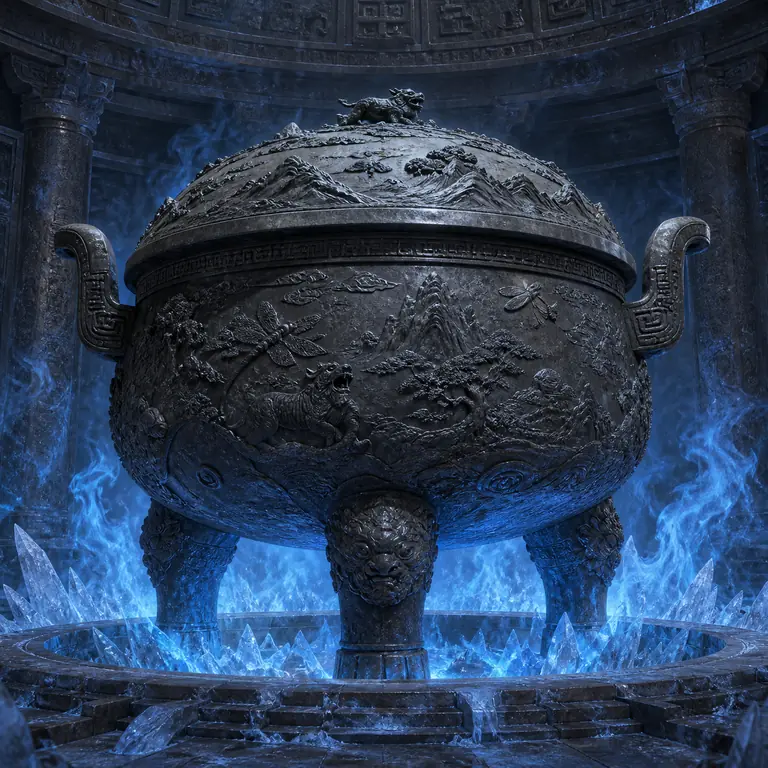
Ownership is rarely simple. Treasures are stolen, inherited, refined, bargained for, lost across realms, and recovered through bonds that survive separation. The most important items matter not only because of their raw power, but because their limitations and custody histories shape the decisions of the characters who depend on them.
Themes and narrative structure
The novel contrasts talent with persistence, institutional security with personal freedom, and transcendence with the attachments that give survival meaning. Long separations and changing identities test whether relationships can endure beyond ordinary lifetimes. Han Li's caution is sometimes ruthless, but it also lets him recognize costs that more impulsive cultivators ignore.
Its structure follows a widening sequence of regions and power systems. Each new realm reduces earlier authority, forcing established figures to become vulnerable again and making knowledge as important as strength. Recurring companions and treasures provide continuity across that scale, while later revelations about time and reincarnation return the final conflict to the question that shaped Han Li from the beginning: what power is worth if obtaining it requires surrendering the self.