A Practical Guide to Evil
A Callowan orphan's attempt to reshape the empire that conquered her homeland draws her from Laure's underground fighting pits into the wars and stories that determine the fate of Calernia.
- Author
- ErraticErrata
- Status
- Completed
About the novel
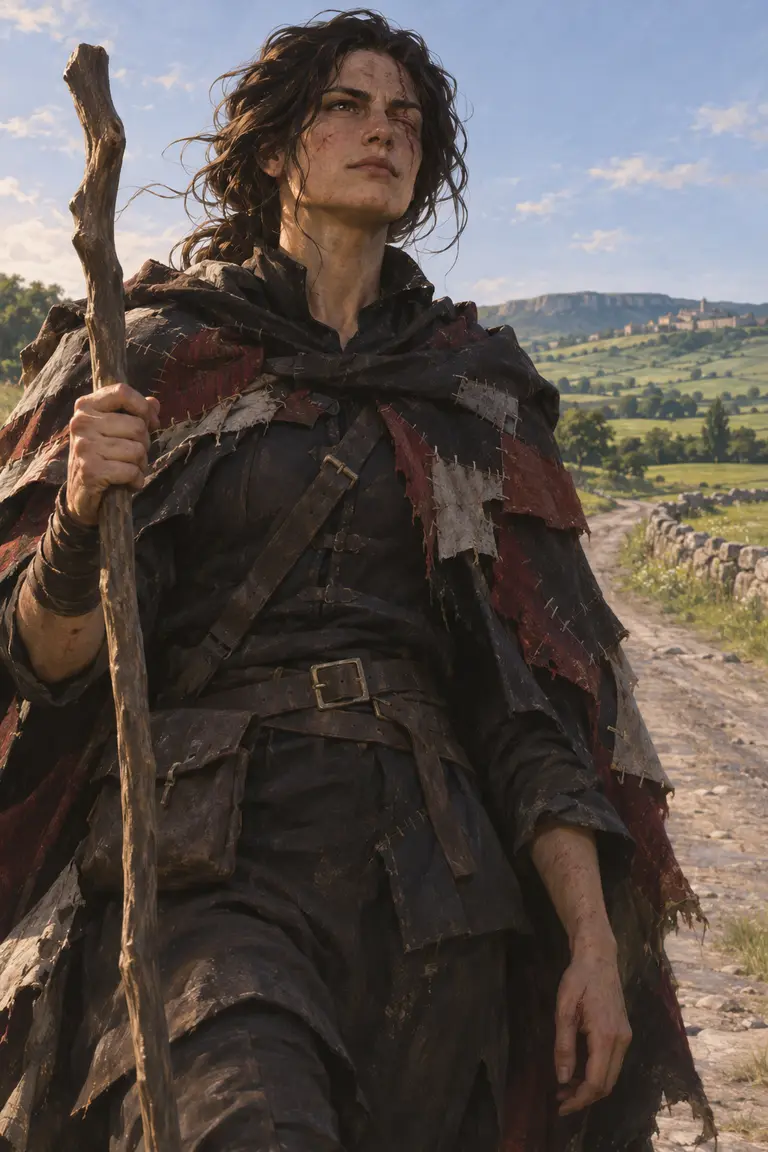
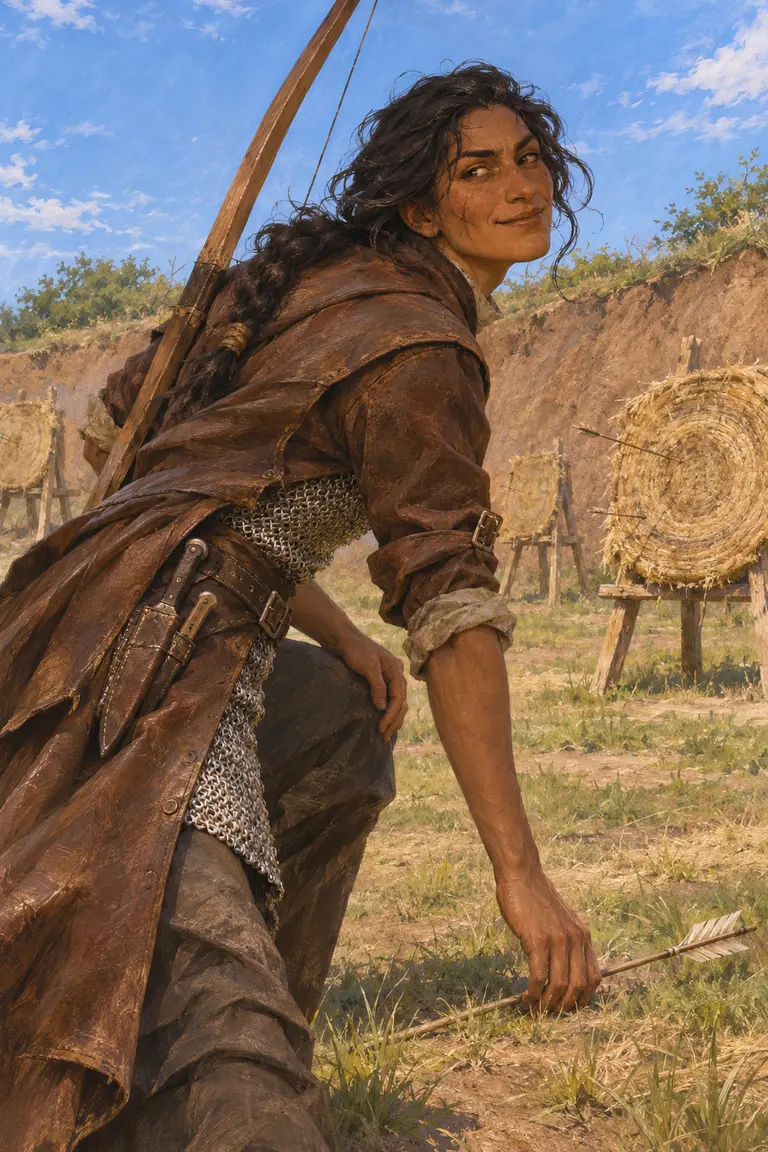
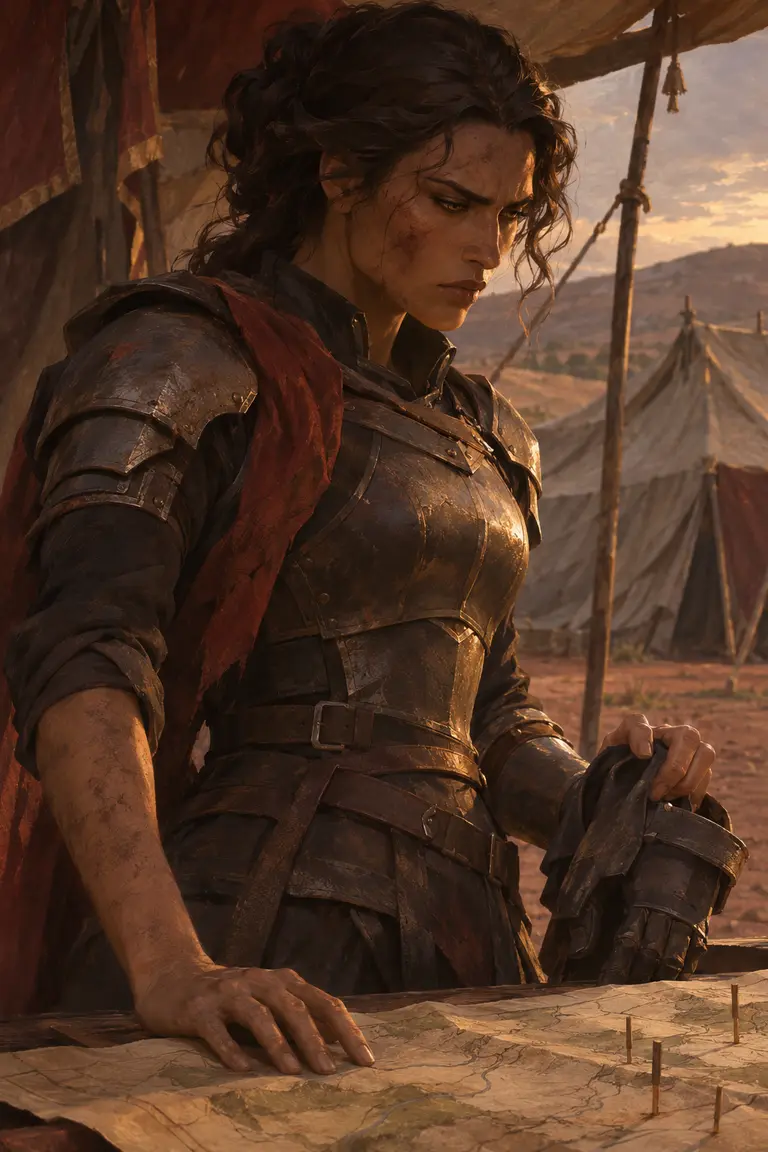
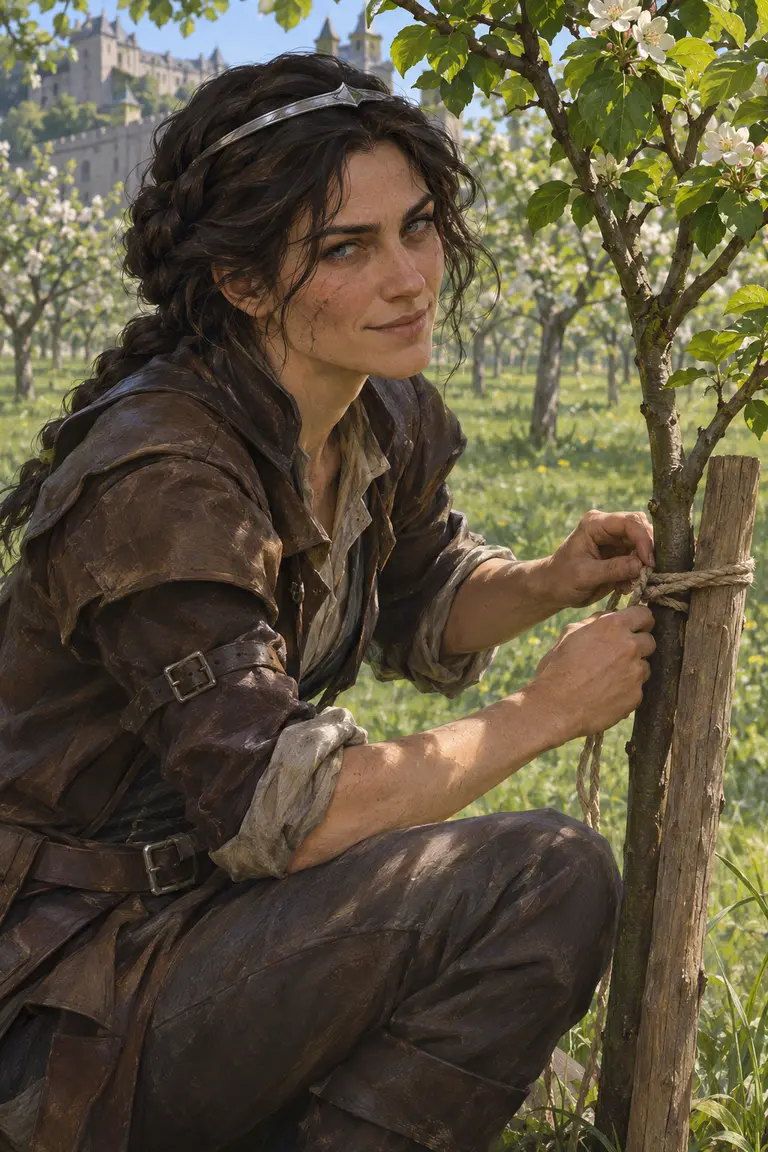
Catherine Foundling begins as a fifteen-year-old orphan in occupied Callow, earning money through illegal fights in Laure’s Pit. The Black Knight offers her training and a place in the Legions of Terror. Catherine accepts because she wants the knowledge and influence to change Callow’s future, even though her new position places her inside the empire that conquered it.
Catherine’s effort to use Praes’s own institutions for Callow’s benefit sets the story in motion. Her plans carry her from the Legions into the rivalries of the Dread Empire, the politics of Callow, and conflicts involving powers across Calernia. As the stakes expand, the central question shifts from whether she can defeat a particular enemy to what kind of order can protect people after a victory—and who gets to decide its price.
World and Names
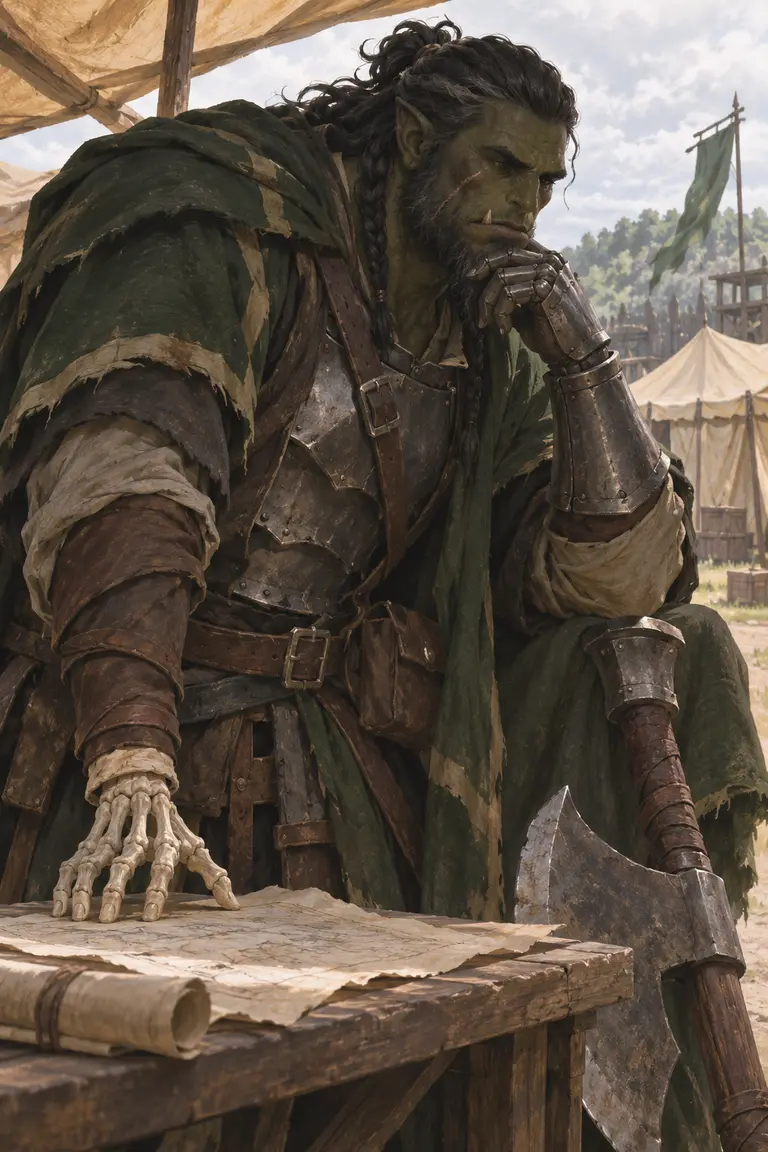
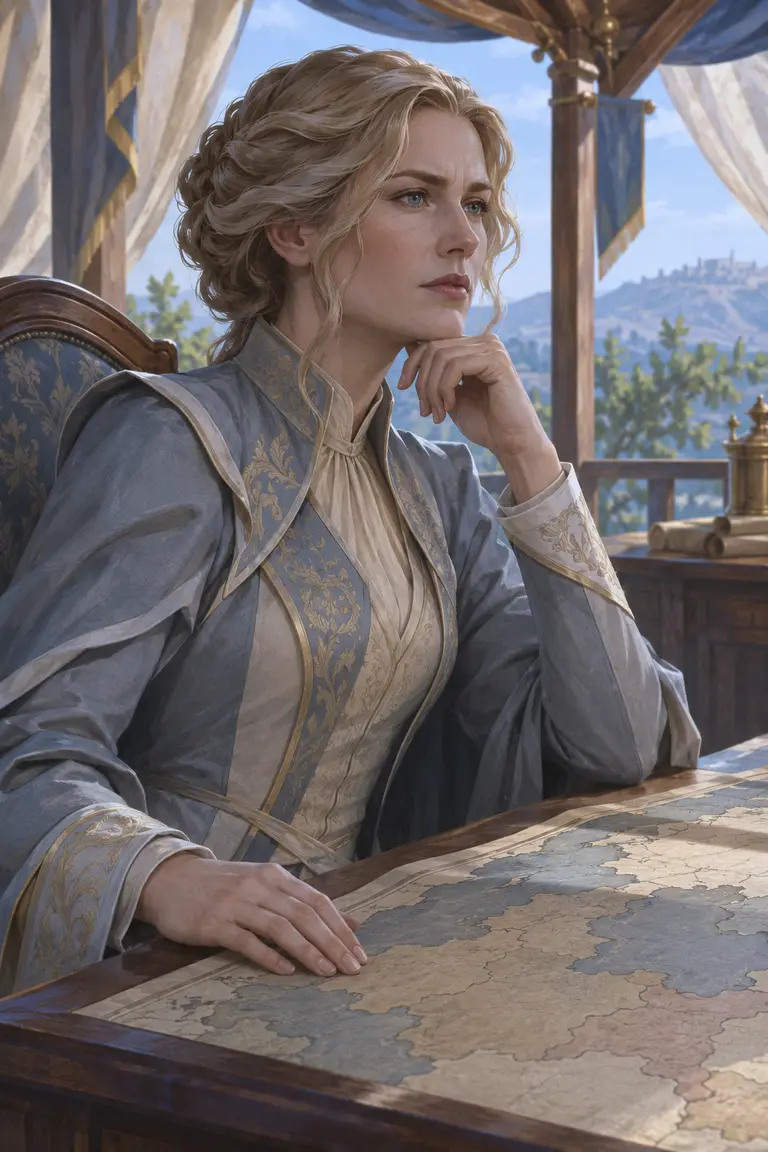
The Dread Empire of Praes rules Callow through imperial governors and the Legions of Terror, but its authority is shaped by internal rivalries among nobles and by repeated struggles over succession. Beyond the Wasteland, the Principate of Procer, the Free Cities, Levant, and other powers have their own institutions and competing interests. The story’s wars therefore grow from political choices as much as from battles: armies can win ground without resolving the loyalties, grievances, and claims that made the conflict possible.
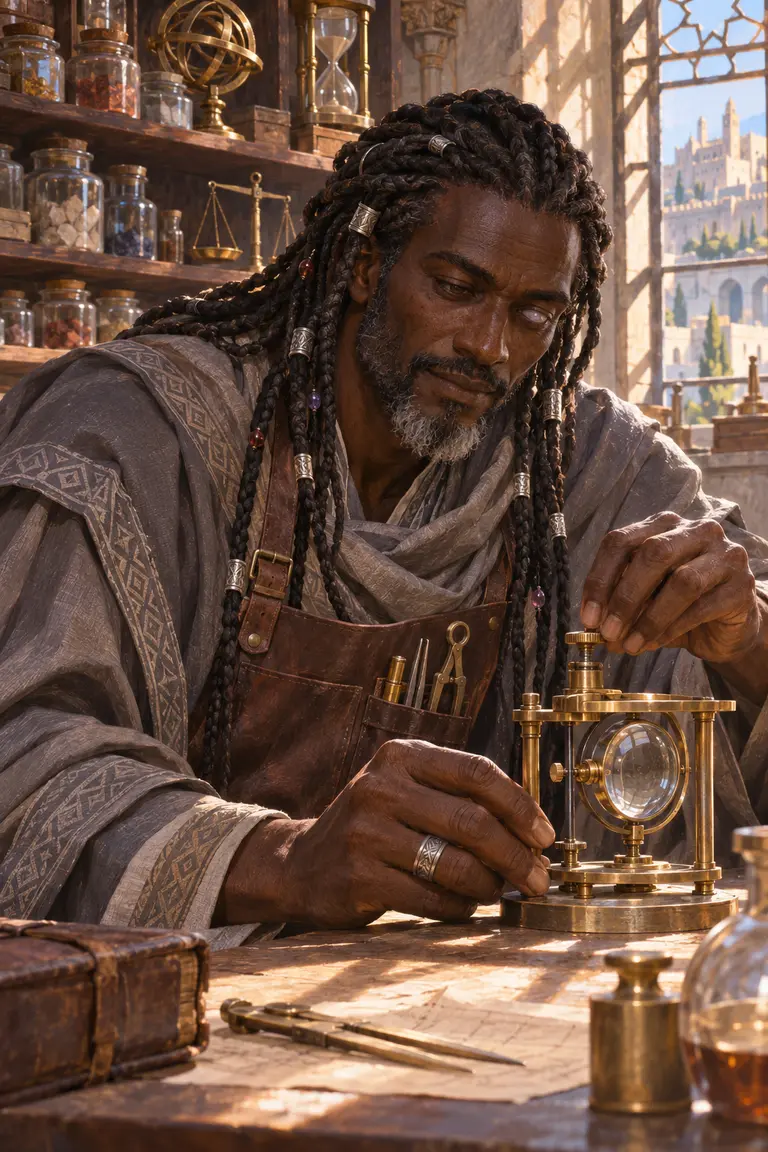
Power has several forms rather than one common ladder. Named characters gain a Role that reflects their choices and the stories gathering around them; their Aspects are individual capabilities whose effects and limits vary from person to person. A Name can deepen when its bearer acts in alignment with its Role, but that power can constrain judgment and identity, and a Name can be damaged or lost. Sorcery is practiced through distinct schools, spells, and rituals, with physical strain and preparation shaping what a mage can do. These systems make power dependent on character, circumstance, and consequence rather than a uniform sequence of ranks.