Diary of a Dead Wizard
A cautious soul researcher uses a death-predicting diary to survive a brutal wizard world, challenge the powers controlling fate, and forge a less ruinous path to advancement.
- Author
- Jin Nai
- Status
- Completed
About the novel
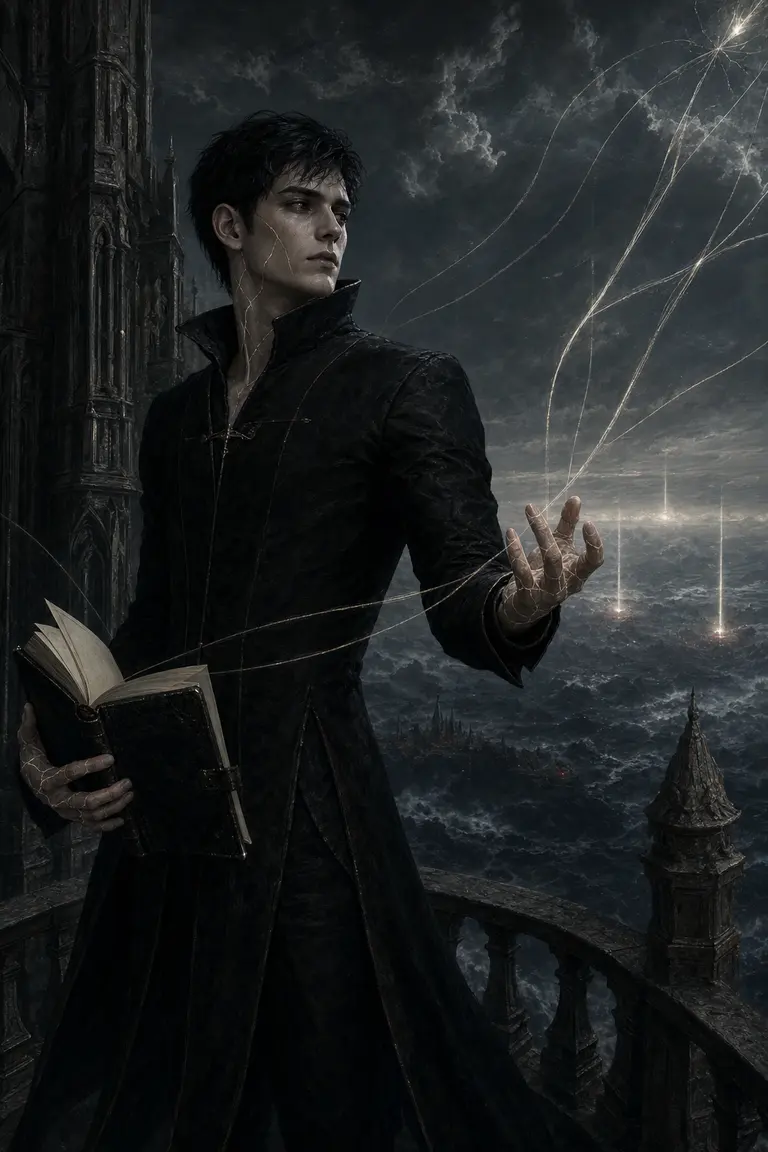
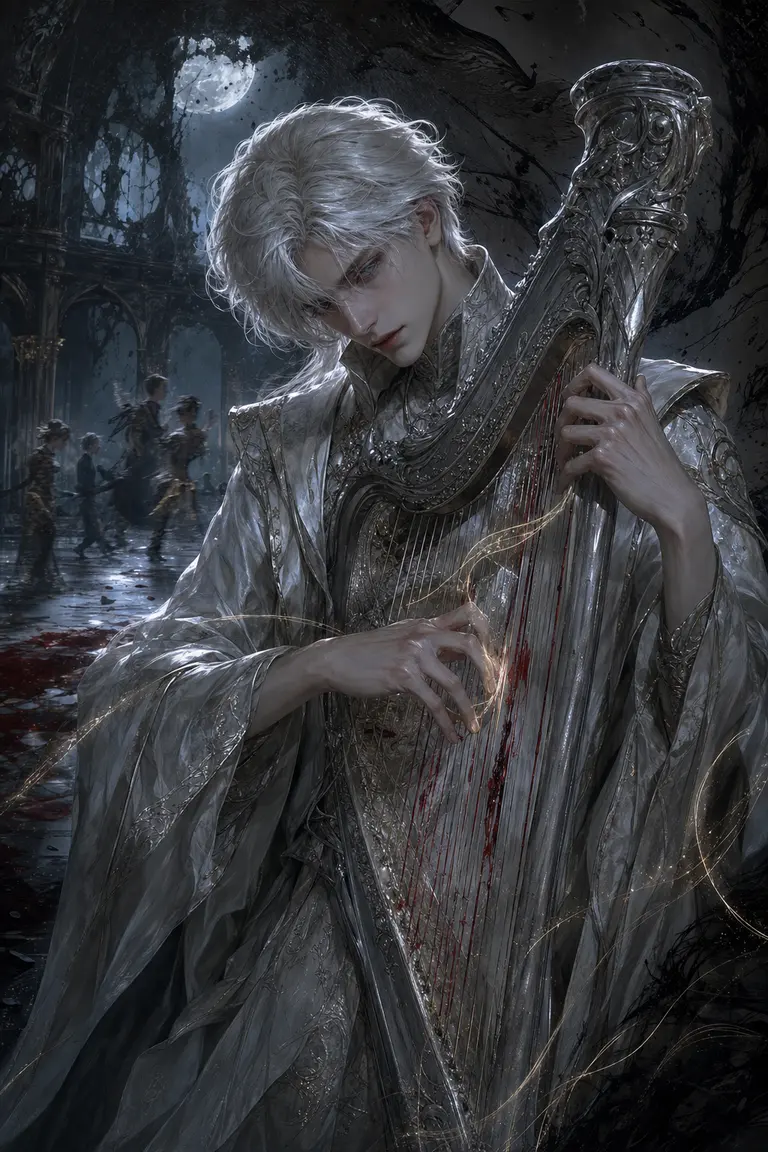
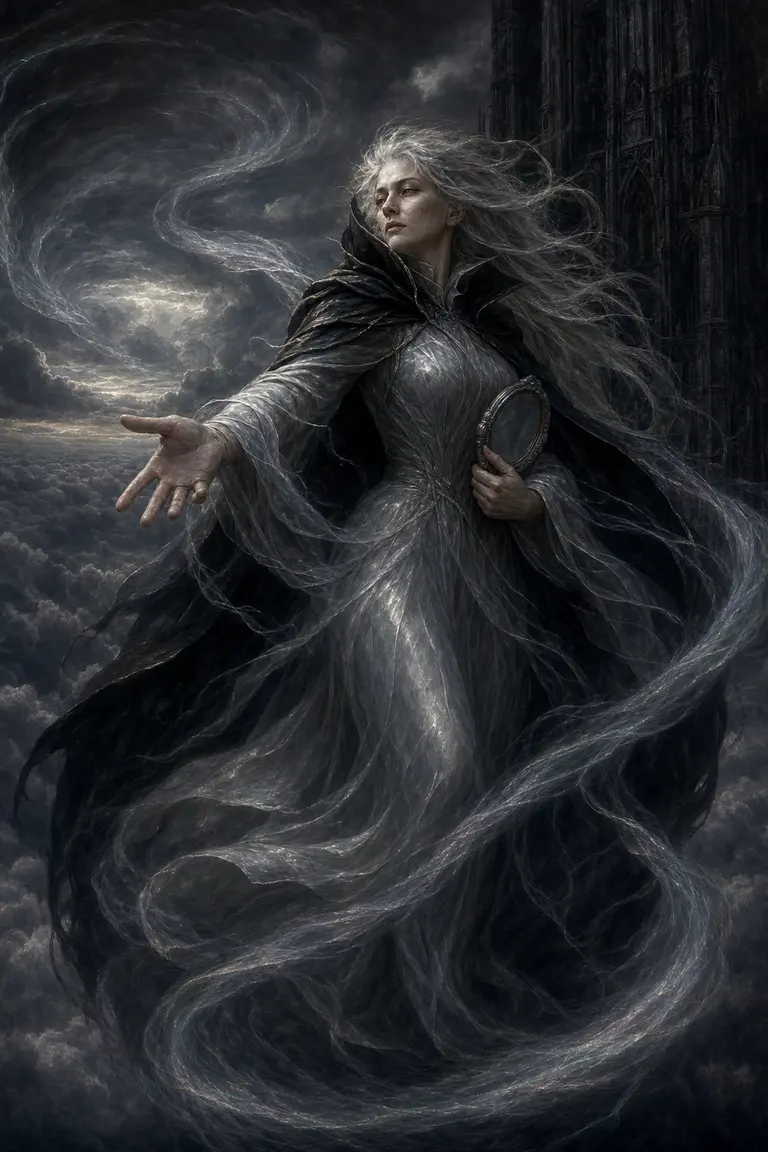
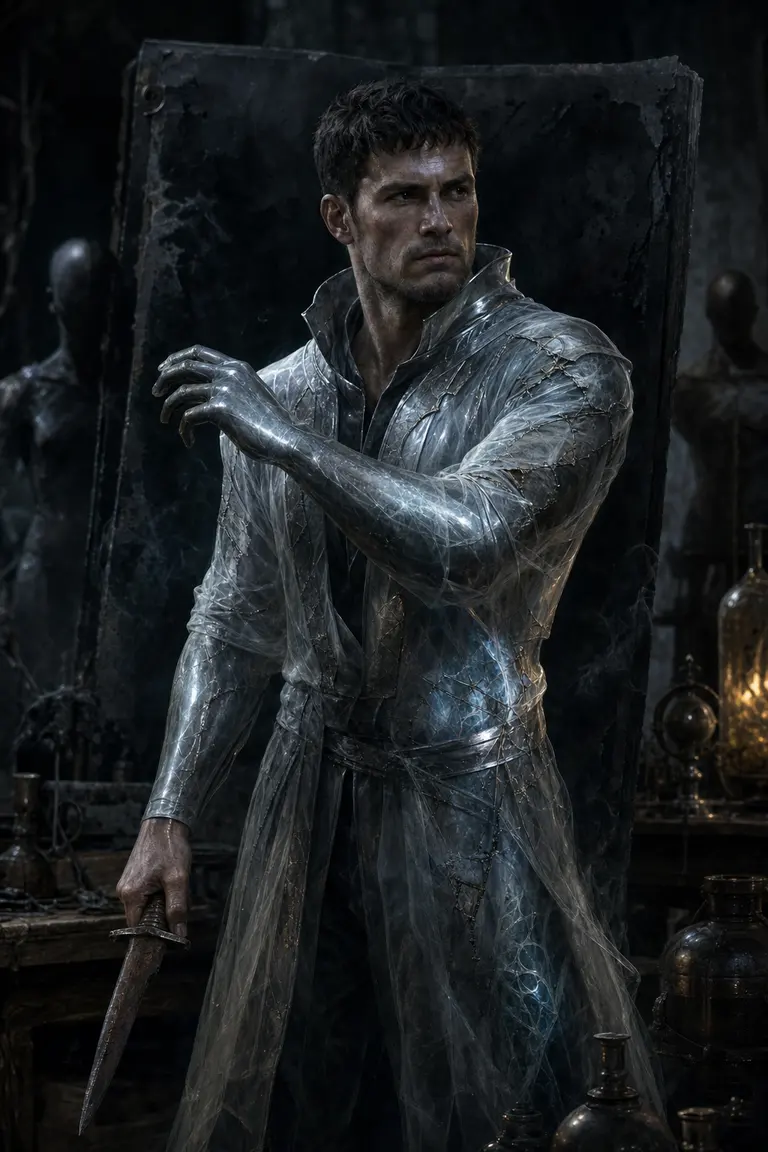
Diary of a Dead Wizard (死亡巫师日记) is a completed fantasy-horror novel by Jin Nai. It follows Saul, a young man who awakens in a dangerous wizard world and enters a tower where apprentices are treated as experimental material as readily as students. His greatest advantage is also his most persistent threat: a diary that records visions of deaths he may suffer. Reading those warnings helps him avoid fatal choices, but every escape draws him deeper into the diary's history and the designs of the people who once controlled it.
The story combines occult investigation, body transformation, institutional intrigue, and long-form magical advancement. Saul survives less by overpowering every danger than by testing rules, identifying hidden motives, and turning apparently fixed outcomes into new possibilities. The completed narrative spans his apprenticeship, his work in the Borderland, conflicts among high-rank wizard factions, and a final struggle over the fate of the wizard world itself.
Story overview
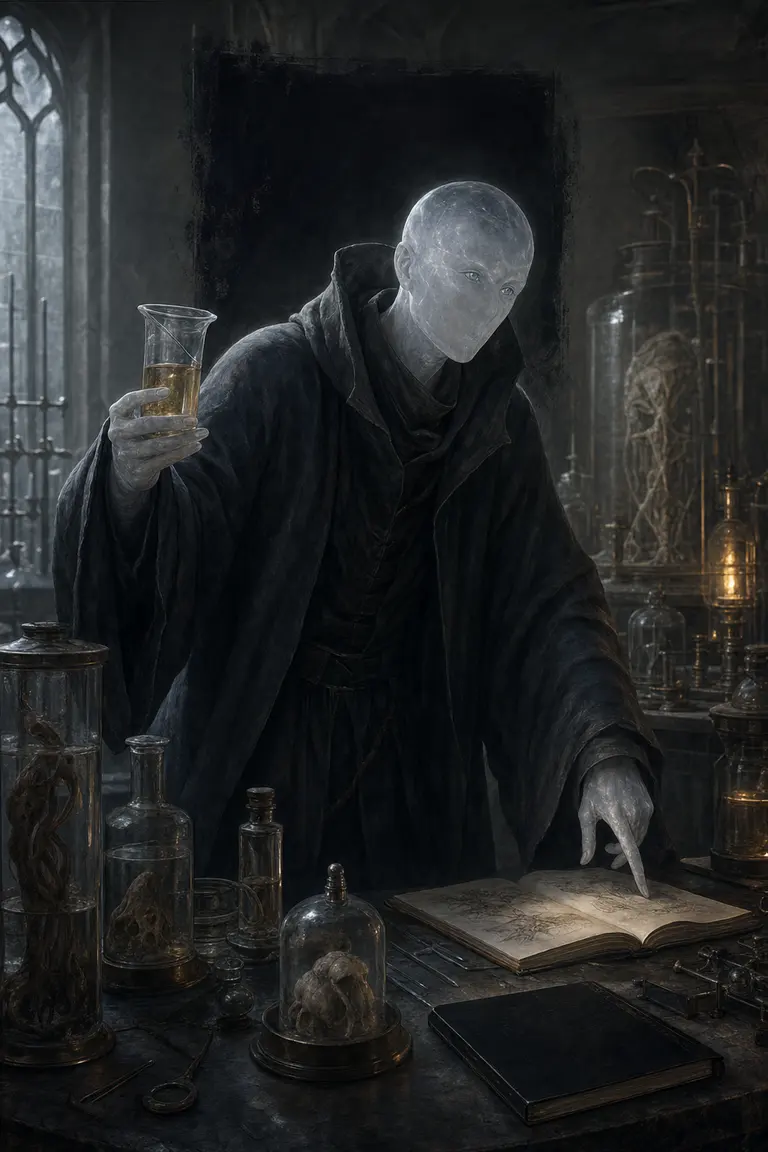
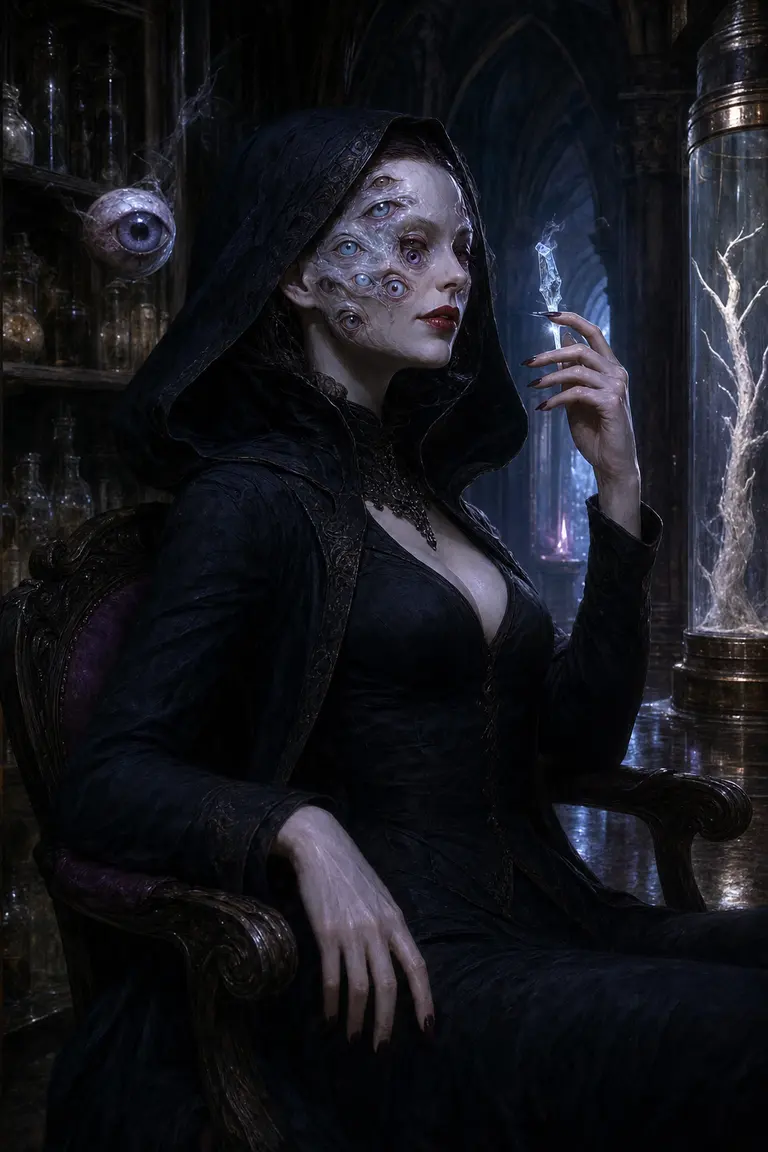
Saul begins at Gorsa's Wizard Tower, where talent tests, corpse rooms, soul experiments, and rival mentors create an education built around calculated risk. His relationships with senior apprentice Byron, fellow apprentice Keli, and Tower Master Gorsa teach him that knowledge is never politically neutral. As Saul learns soul magic and reshapes his own body, he also uncovers the tower's resurrection project and the disputed identity at its center.
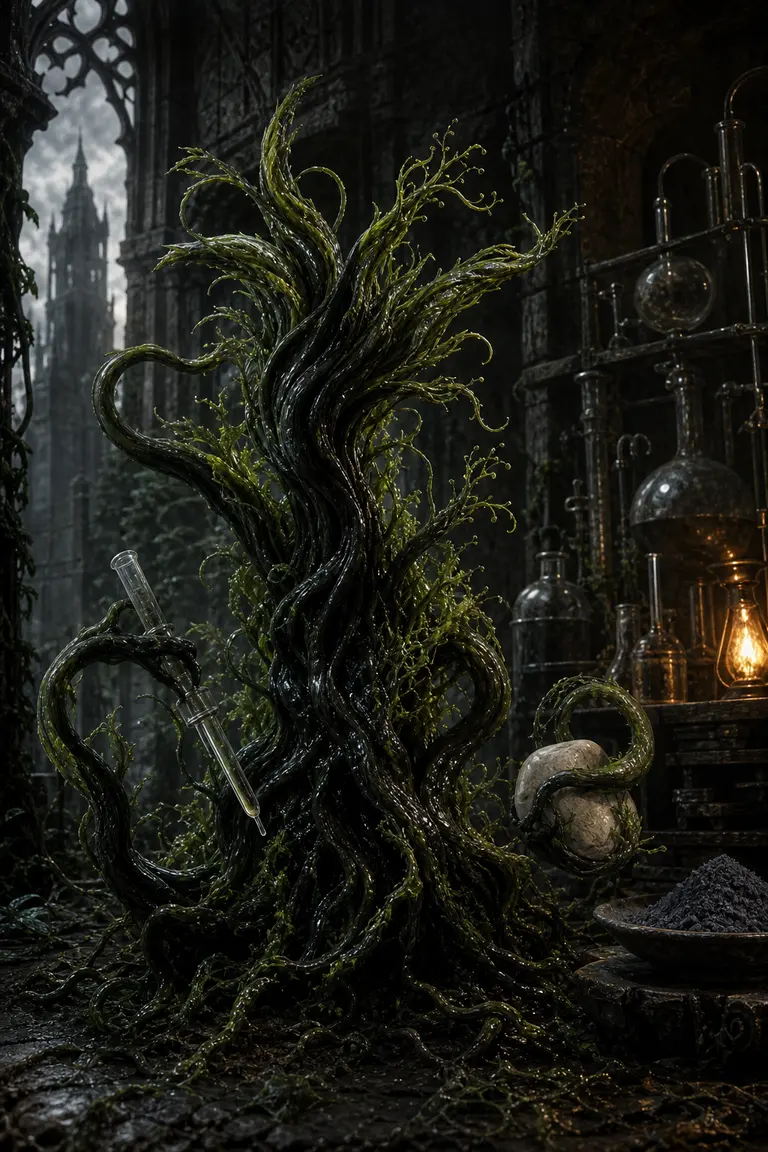
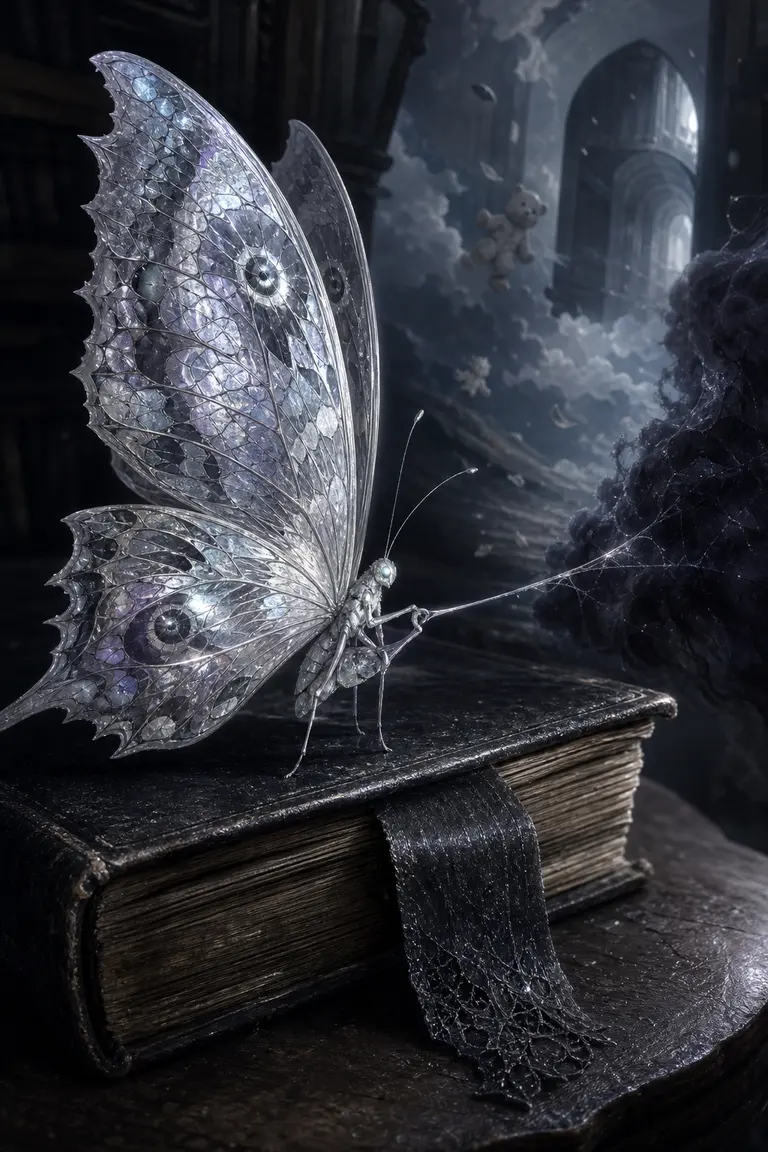
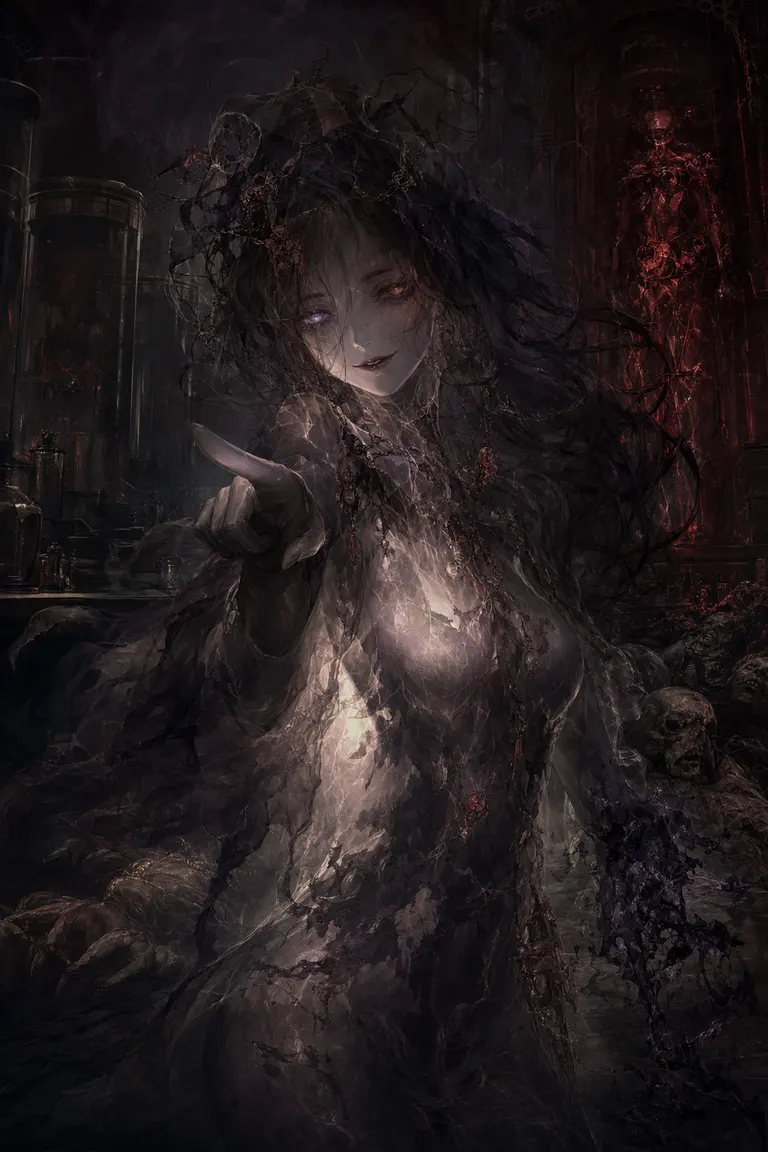
After leaving the tower, Saul establishes himself in the Borderland and turns survival research into an institution of his own. His companions—including the diary-bound consciousnesses, Little Algae, and the reborn Nightmare Butterfly—become both a found household and an experimental network. Encounters with the Stargate Council, the Tribunal, city rulers, elves, and beings from beyond the world gradually reveal why conventional advancement has stalled and why the Abyssal Eye threatens every faction.
In the later conflict, Saul rejects an advancement method founded on engineered mass death and rebuilds it as the Symphony of Fate, linking people and communities whose futures he has materially changed. That choice ties personal progression to responsibility rather than sacrifice. The final crisis tests whether Saul and his allies can break the controls imposed by ancient high-rank wizards without reproducing the same system of coercion.
World and magic
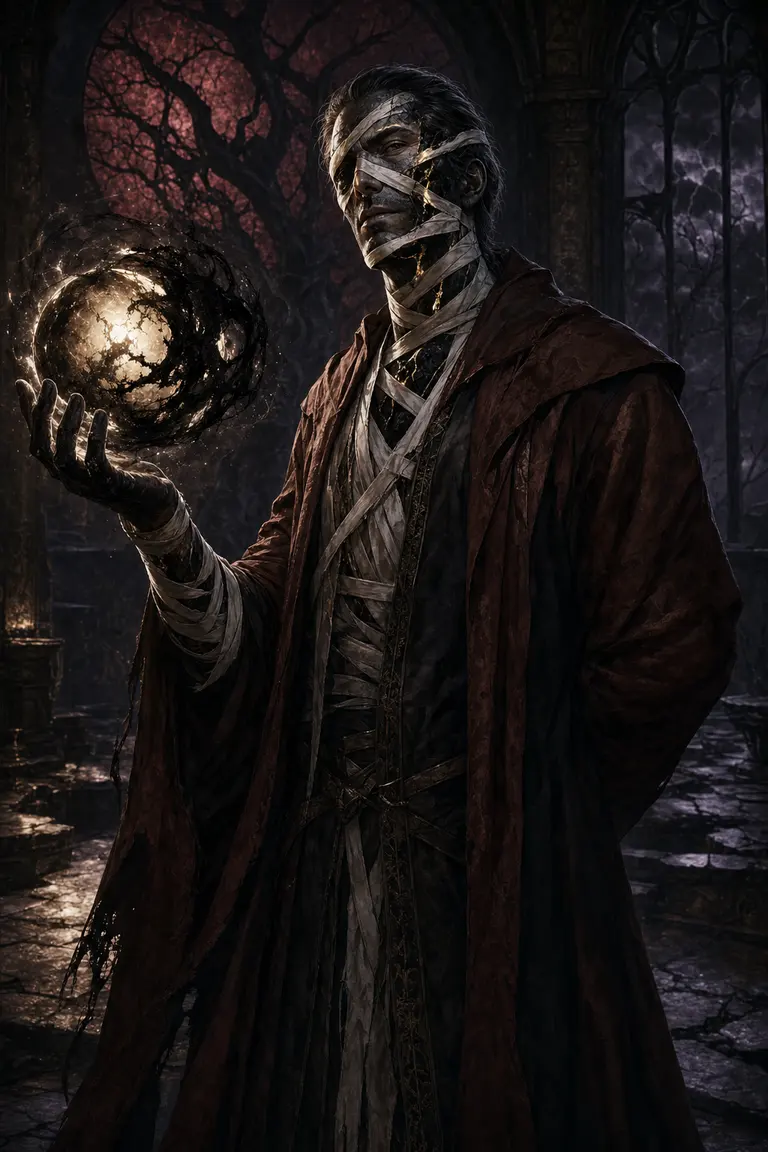
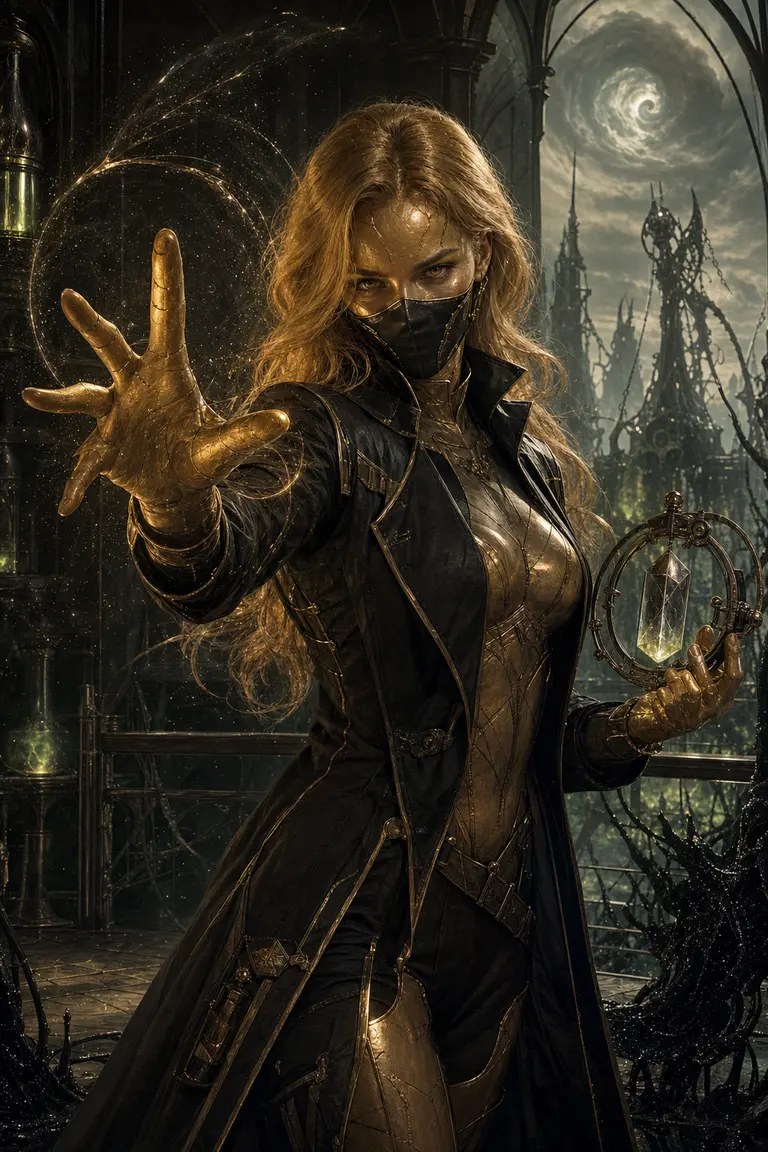
Wizard society is organized around apprentices and true wizards, with formal ranks marking qualitative changes in the body, soul, magic, and relationship to external elemental power. Apprentice advancement depends on accumulated magic, spell mastery, and a locator integrated into the soul. True-wizard progression becomes increasingly individual: locators, domains, transformed bodies, and personal research paths matter as much as raw energy. Higher ranks also carry political weight, because a single wizard can dominate a city, tower, or region.
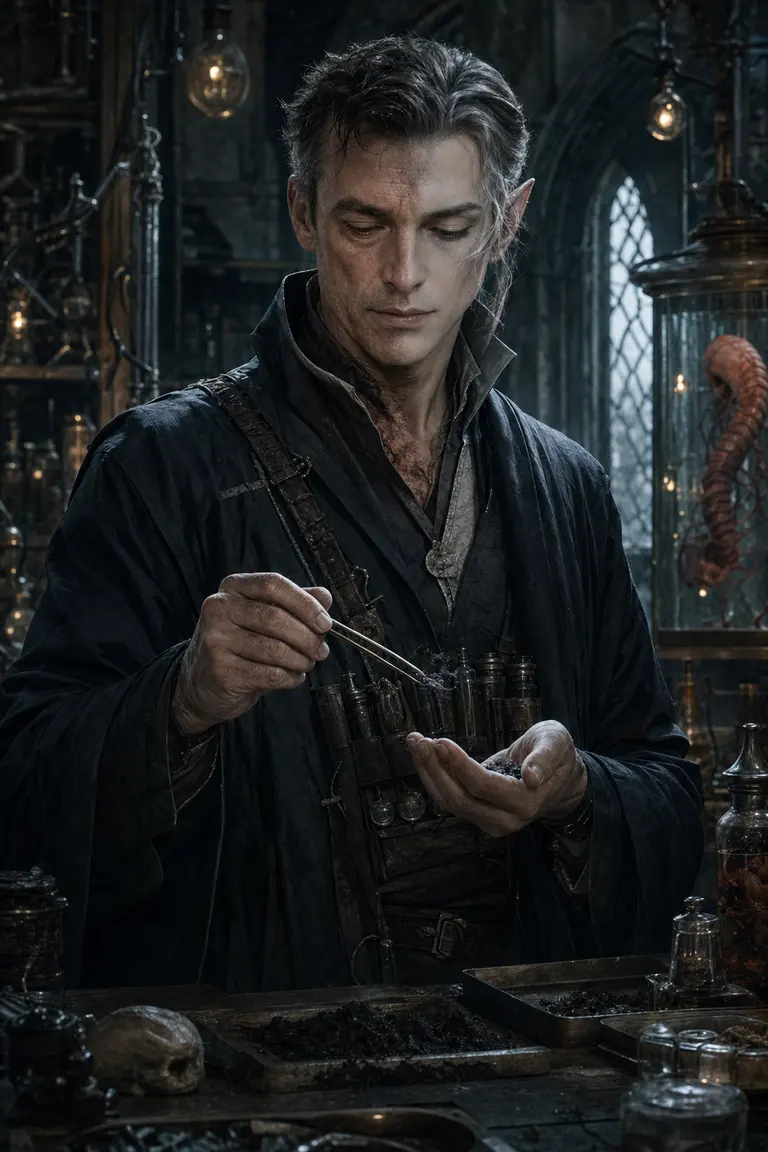
The setting treats magical knowledge as physically and mentally hazardous. Runes can injure an unprepared observer, soul research can change the researcher, and outside power may carry pollution. The Black Tide, the Chaos Realm, the Prismatic World, and the barrier around the wizard world show that local magical systems exist within a larger and often hostile cosmos. Institutions attempt to manage these dangers through secrecy and hierarchy, but their restrictions also preserve monopolies and prevent cooperation.
Themes and tone
The novel repeatedly asks whether a predicted death is destiny, information, or manipulation. Saul's diary makes that question immediate, while Kismet and other fate-bound characters show the human cost of losing the ability to choose. Identity is similarly unstable: memories can be altered, bodies replaced, souls divided, and names inherited. The story distinguishes continuity built through decisions and relationships from continuity imposed by ownership.
Its horror grows from curiosity as often as from monsters. Laboratories, living spells, altered bodies, and damaged souls are frightening because they offer real knowledge and useful power. Against that atmosphere, mentorship, loyalty, and collaborative research become meaningful forms of resistance. Saul's development is therefore not only a climb through wizard ranks, but a gradual decision about what kind of wizard—and what kind of institution—he is willing to create.