
Omniscient Reader's Viewpoint
When the apocalyptic scenarios of an obscure web novel become reality, its sole reader Kim Dokja uses his knowledge of the story to protect a growing company of companions and seek an ending that neither the Star Stream nor the original novel could guarantee.
- Author
- singNsong
- Status
- Completed
About the novel
Omniscient Reader's Viewpoint begins when the apocalyptic web novel Three Ways to Survive in a Ruined World becomes reality. Kim Dokja, its only reader to reach the ending, recognizes the subway scenario unfolding around him and uses knowledge accumulated over thirteen years to keep people alive whom the original story discarded. His interventions immediately alter the course he remembers, making his information invaluable but increasingly unreliable as a script for the future.
Dokja's relationship with the novel's regressor protagonist, Yoo Joonghyuk, becomes the axis of a company of companions who refuse to remain disposable characters. Their struggle is watched, sponsored, and judged by beings who consume human lives as stories. The novel uses scenarios, narration, readership, and authorship as parts of both its world and its central conflict, asking whether people can escape the roles written for them without losing the relationships that gave their story meaning.
World and scenarios
The Star Stream organizes survival through scenarios administered by dokkaebis and broadcast to constellations. Participants earn coins, attributes, skills, stigmas, and stories by completing objectives, while sponsors exchange power for influence over the incarnations who represent them. Scenario rules appear absolute, but hidden conditions, probability costs, and narrative plausibility create openings for informed participants to change expected outcomes.
Power is not limited to numerical attributes. A person's accumulated stories can become weapons, protections, identities, and eventually the basis of myth-grade status. Constellations, demon kings, outer gods, regressors, and world-lines exist within a structure shaped by repeated narratives and the Final Wall. Dokja's reader abilities let him interpret characters and events, but the closer he becomes to his companions, the harder it is to preserve the detached viewpoint that initially kept him alive.
Characters
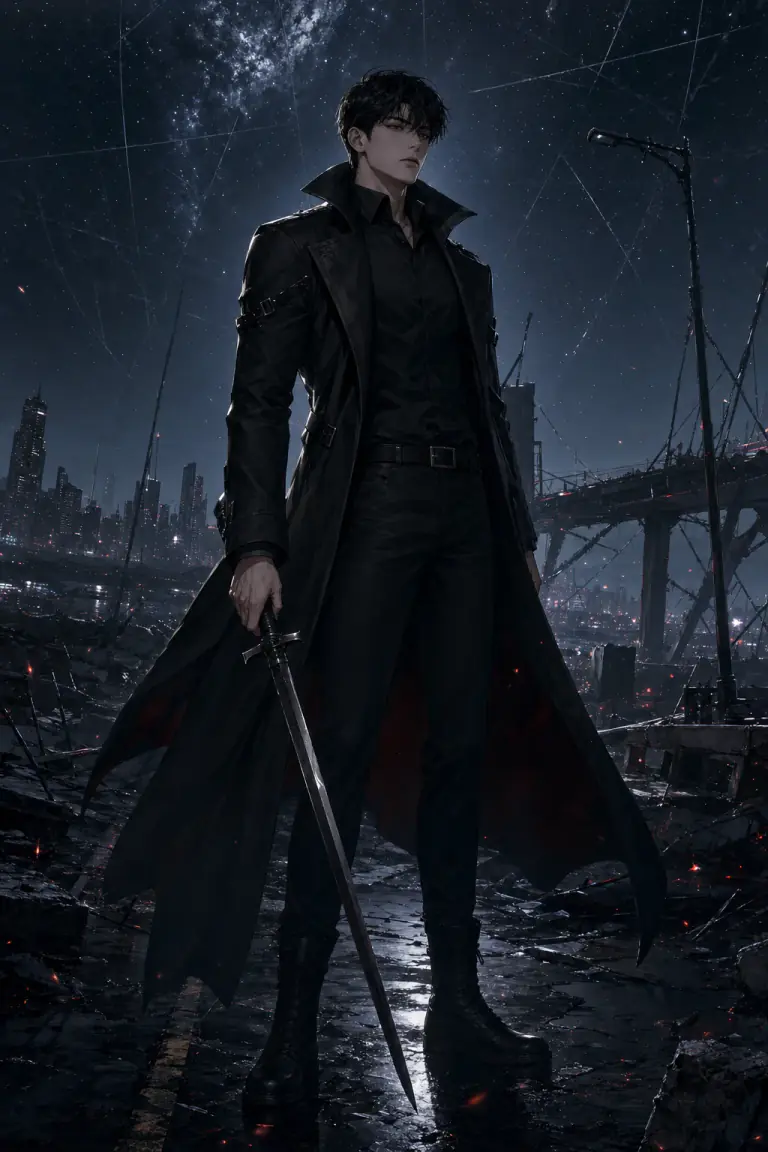
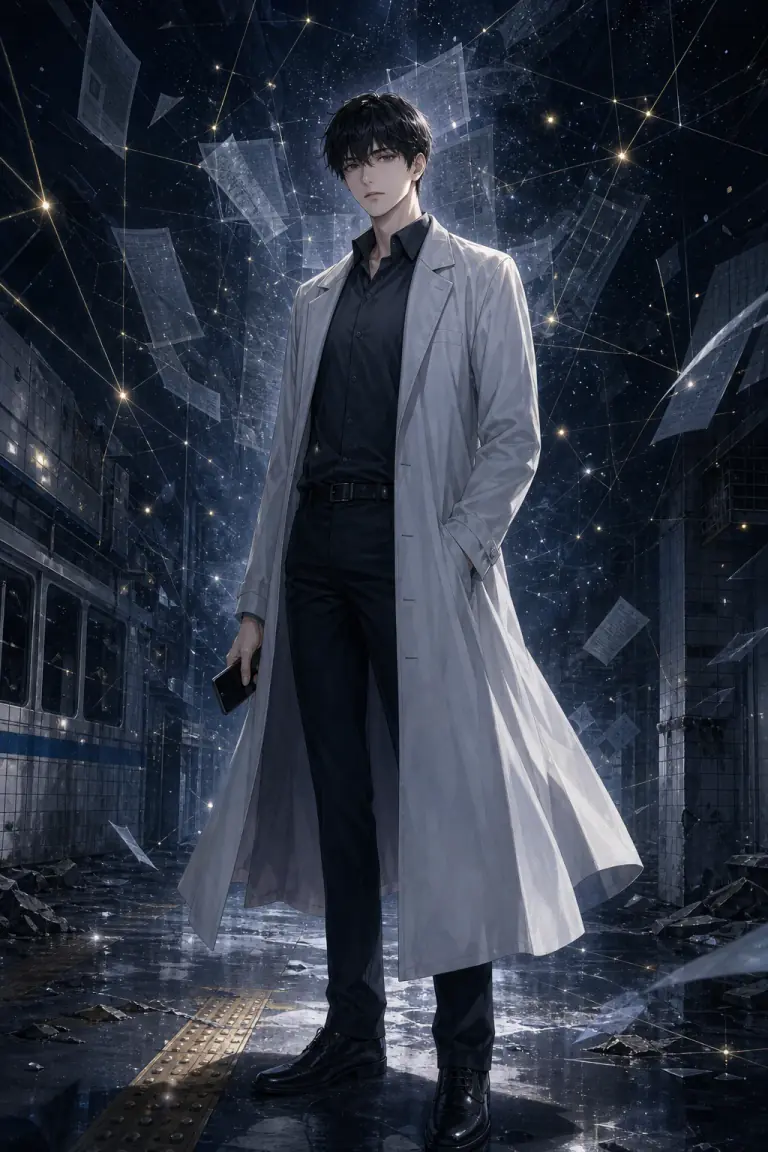
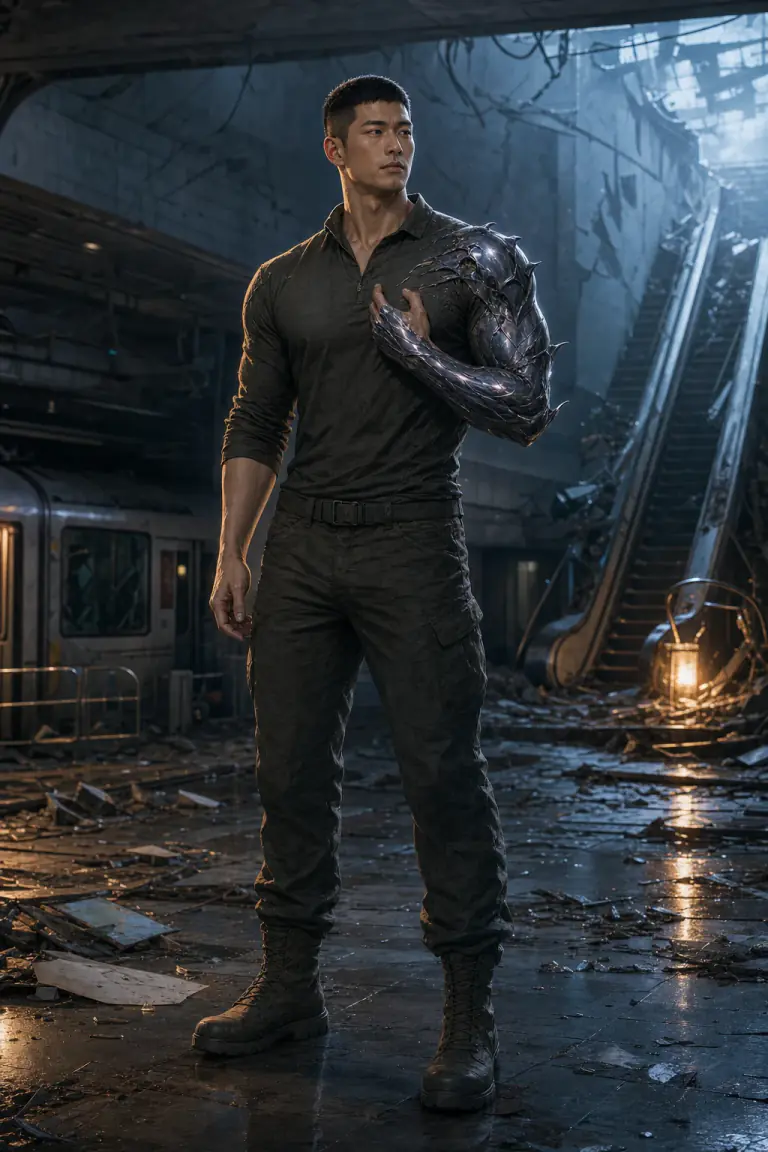
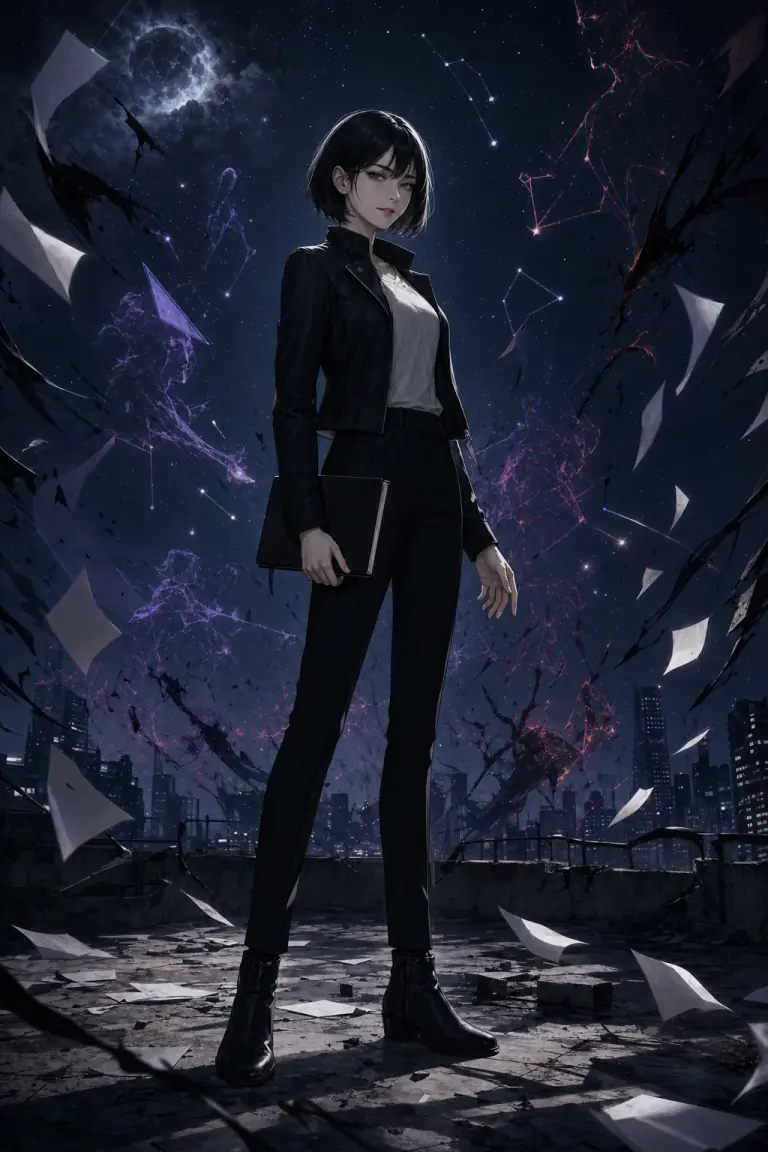
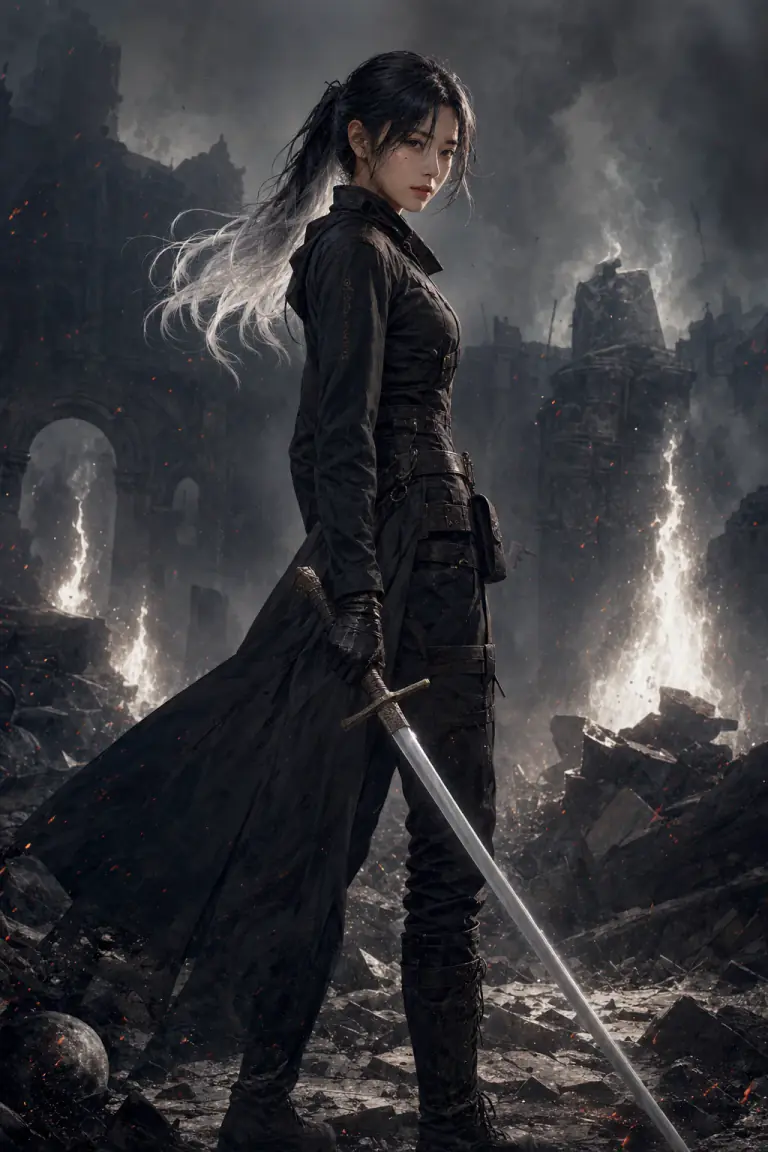
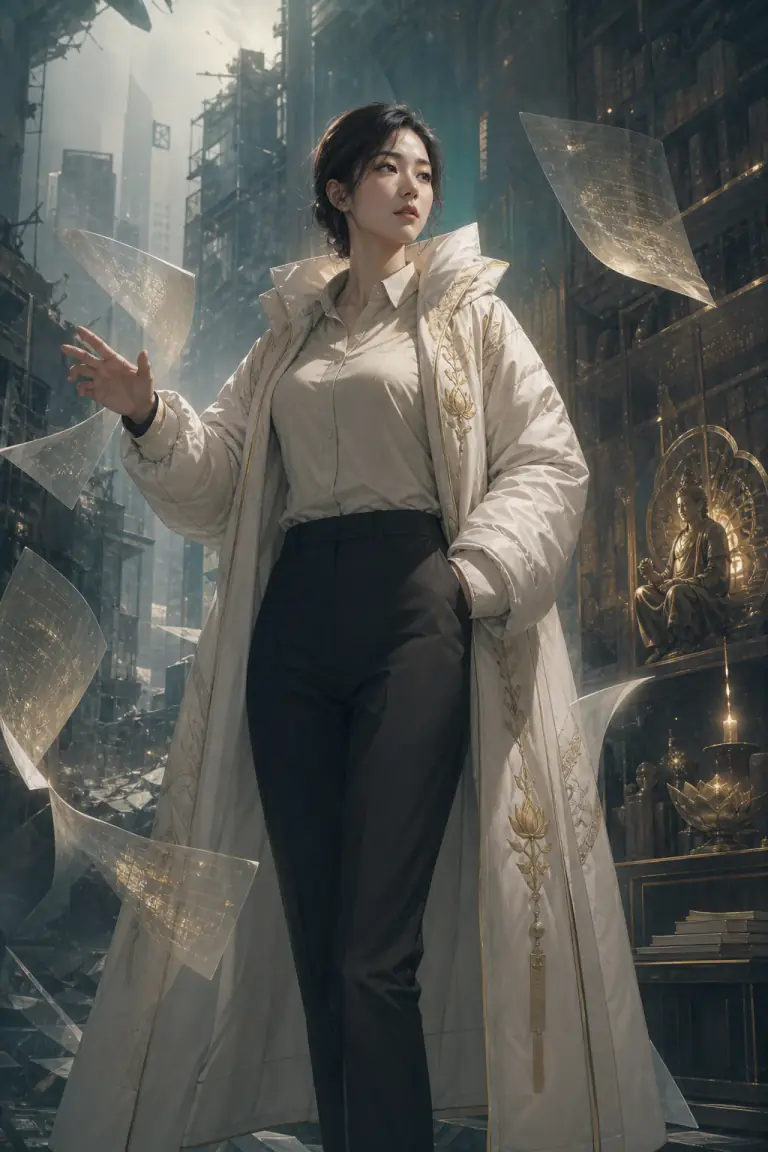
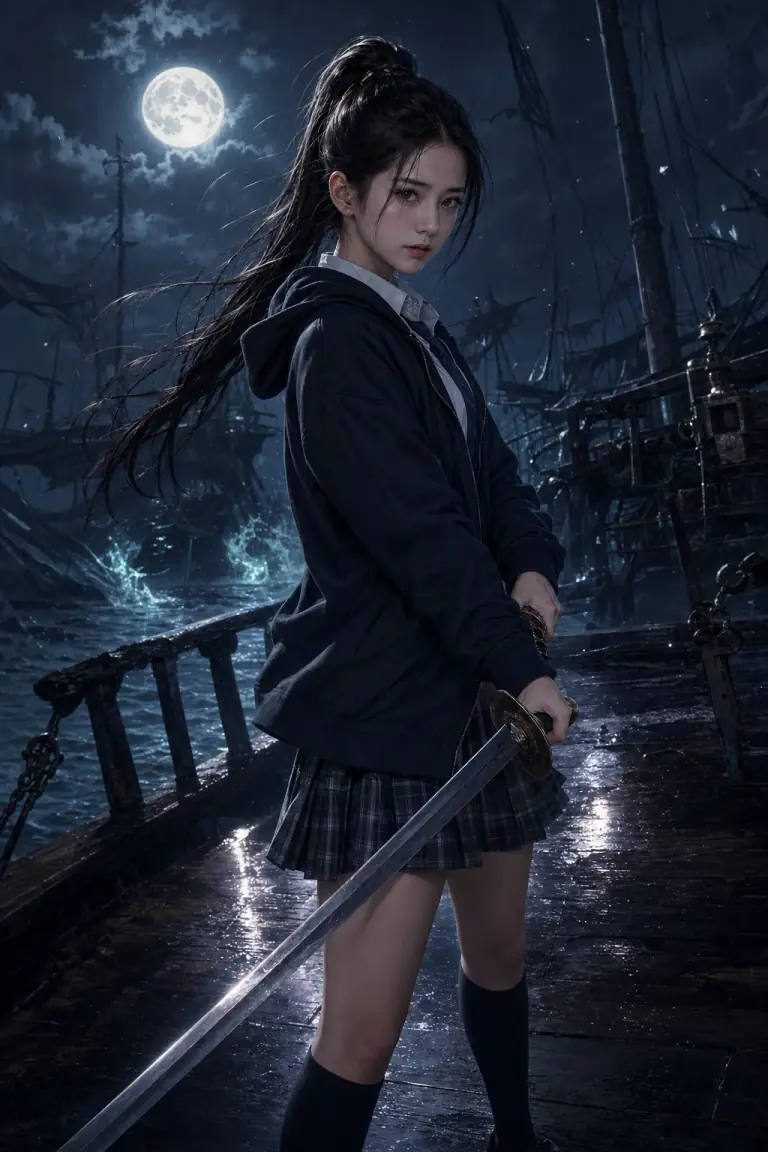
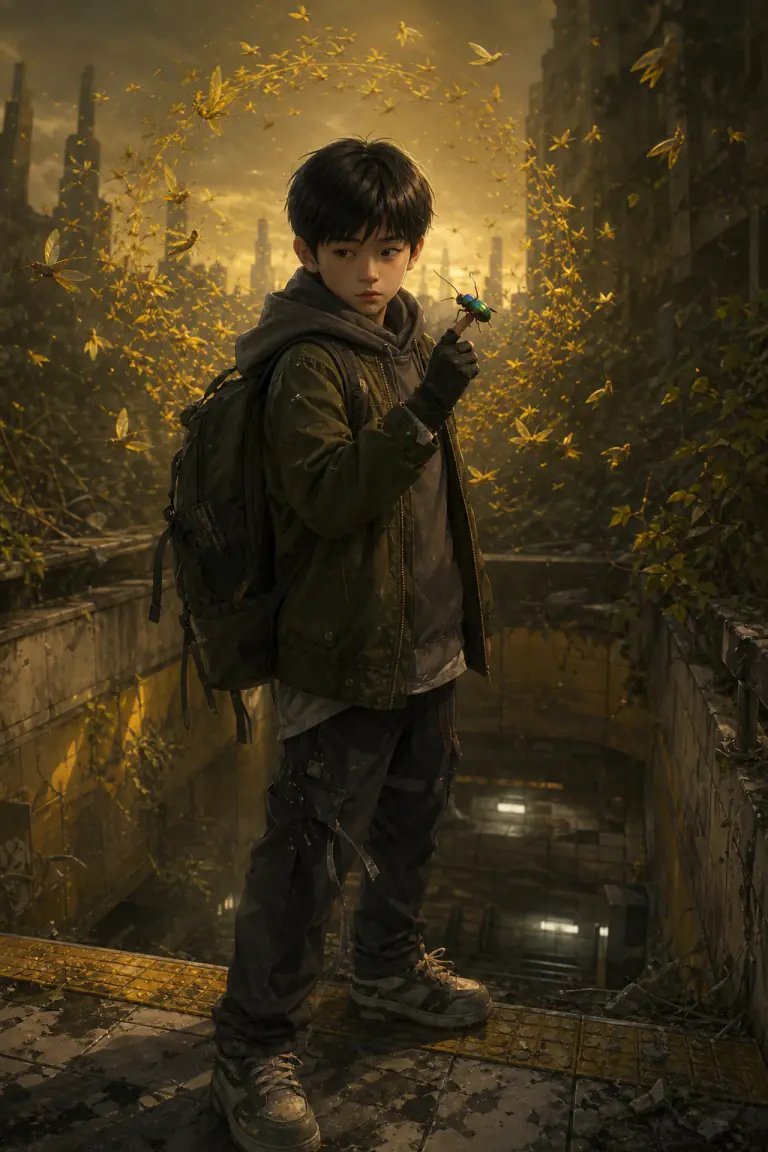
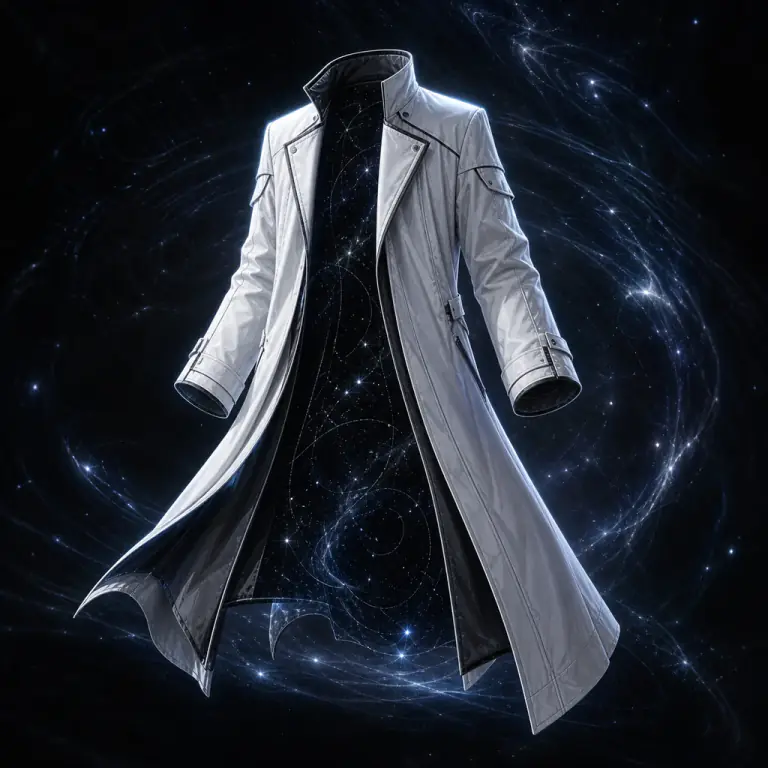
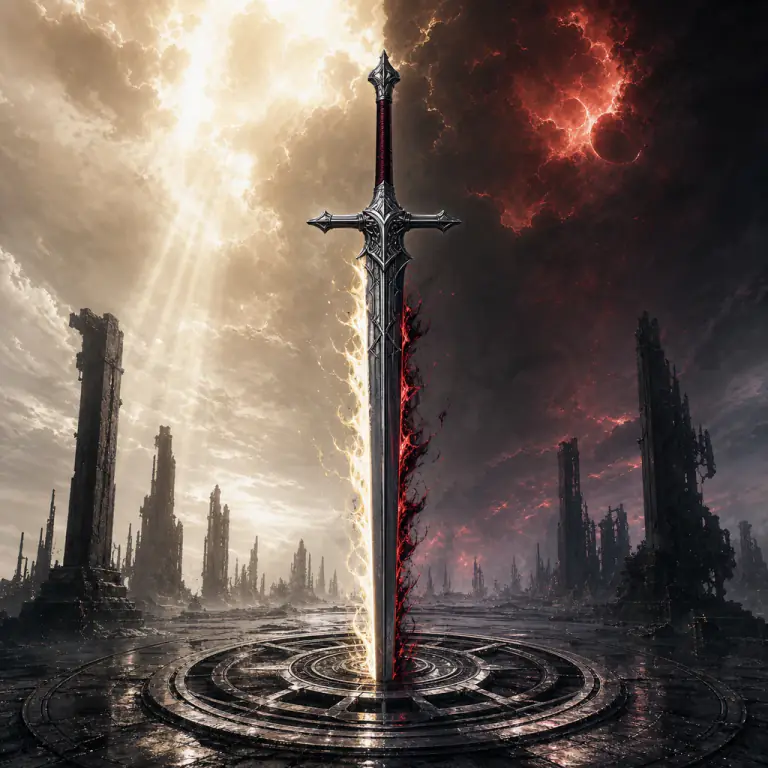
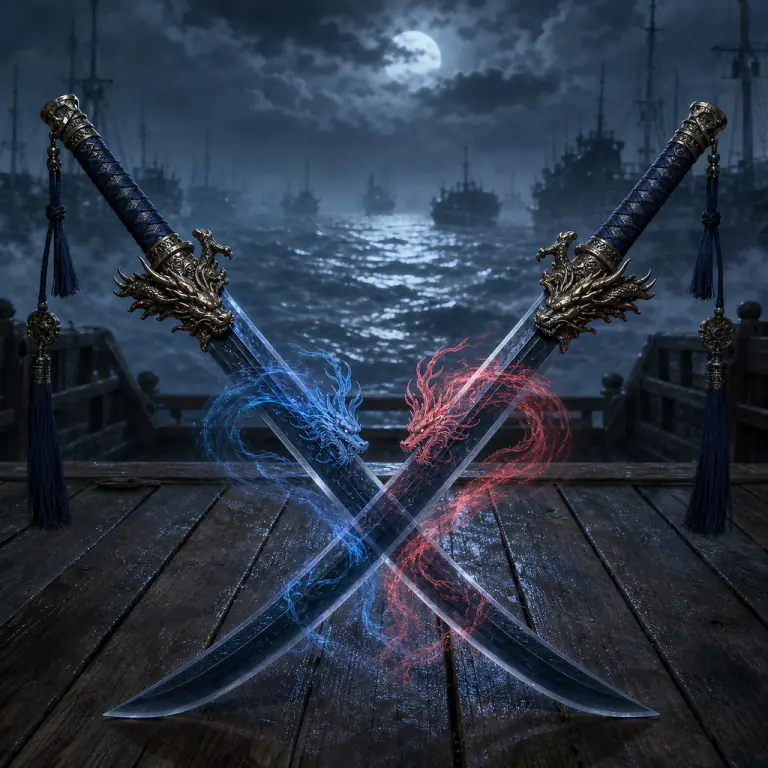
Items
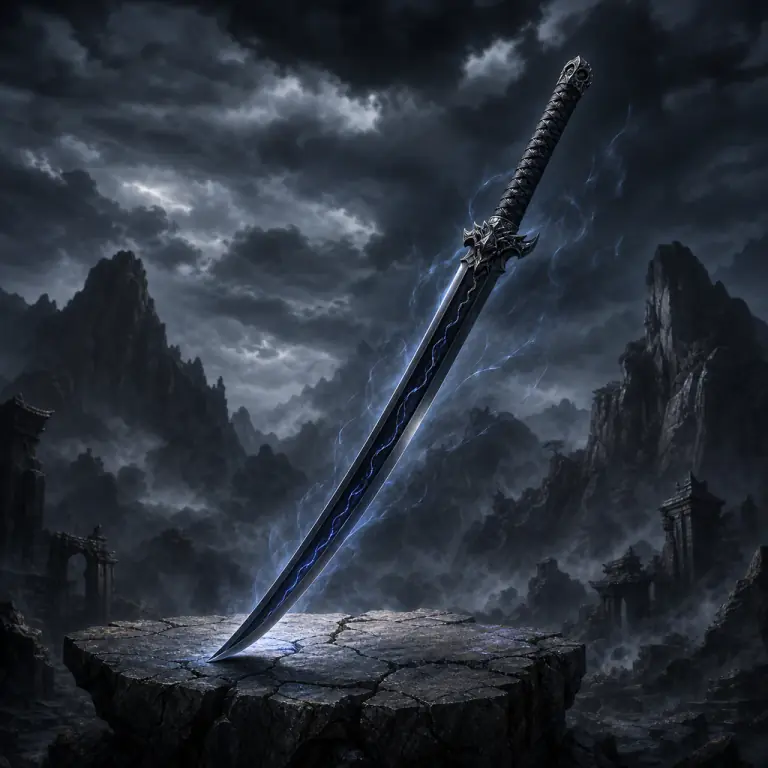
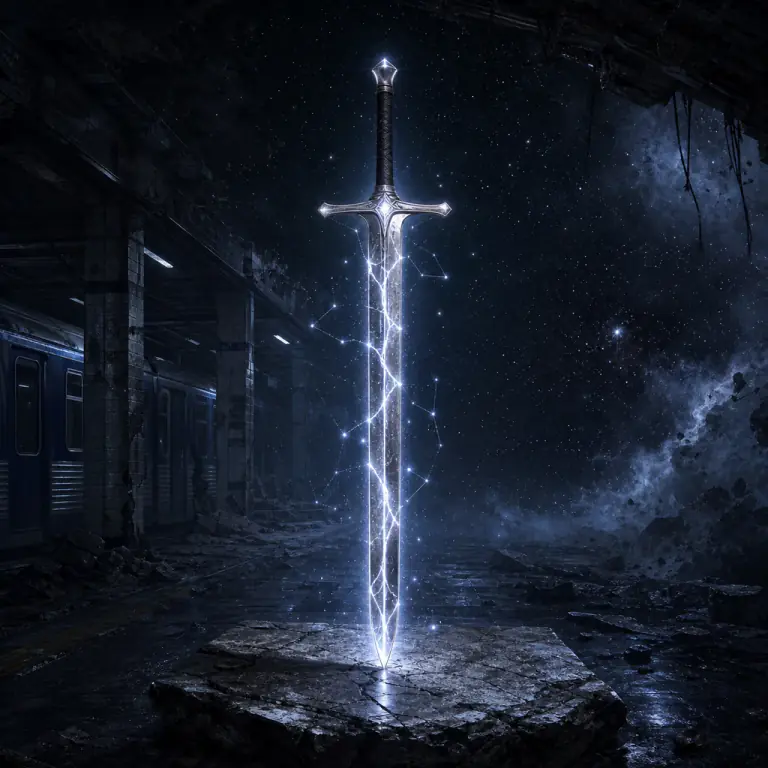
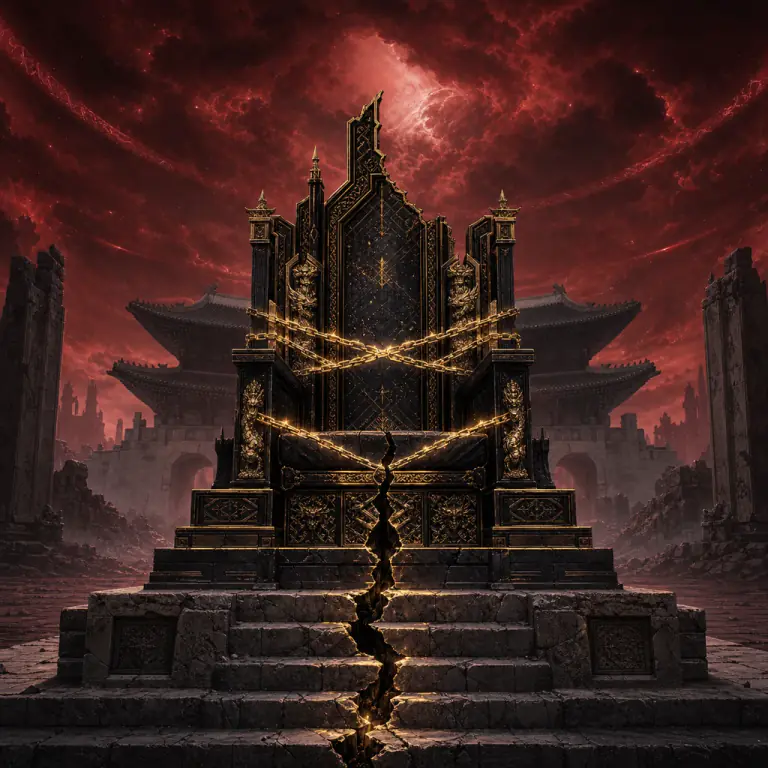
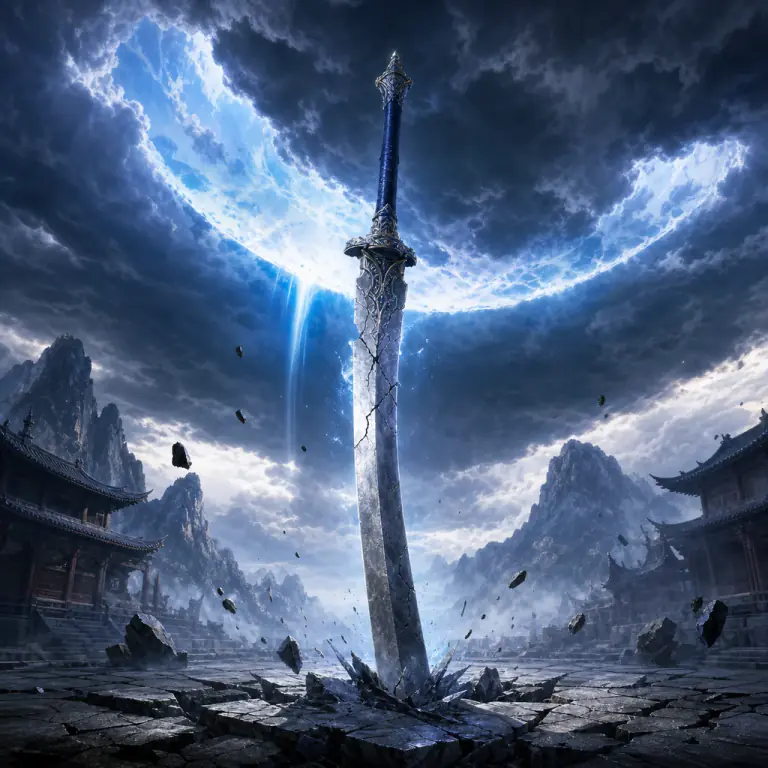

Notable topics
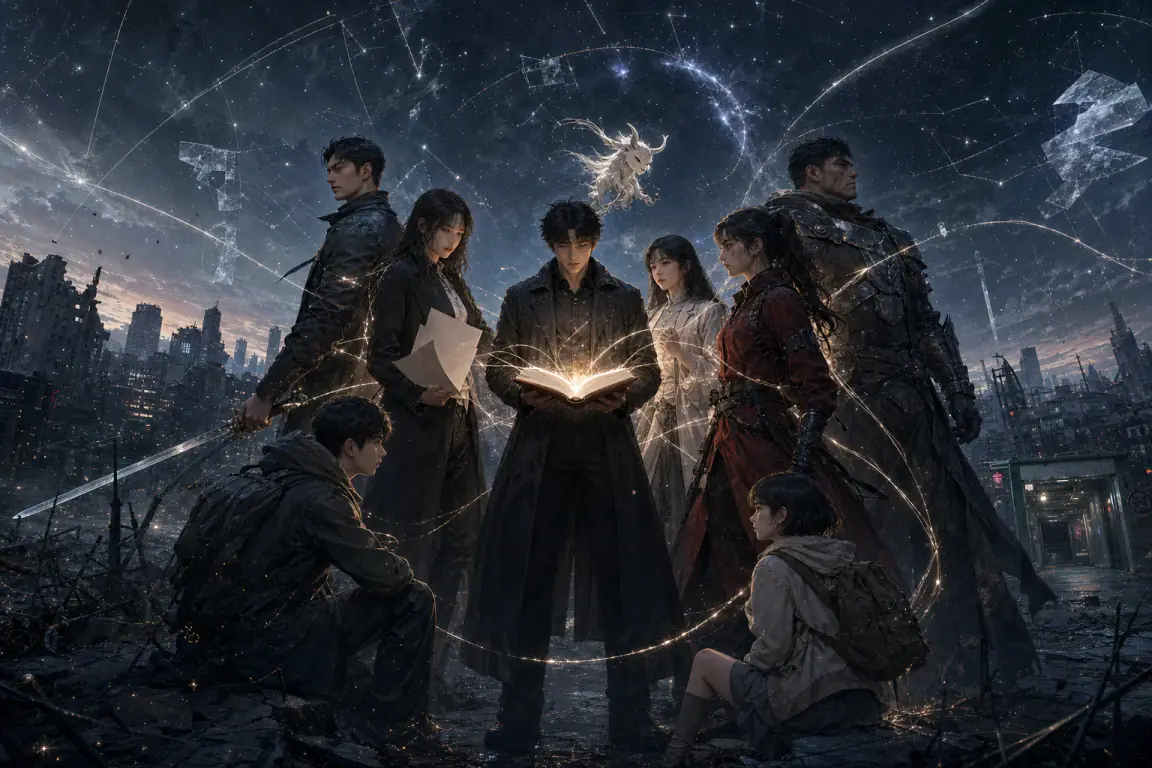
The formation, membership, shared Stories, governing choices, world-line operations, false epilogue, and lasting identity of Kim Dokja's chosen-family Nebula.
World systemsStar Stream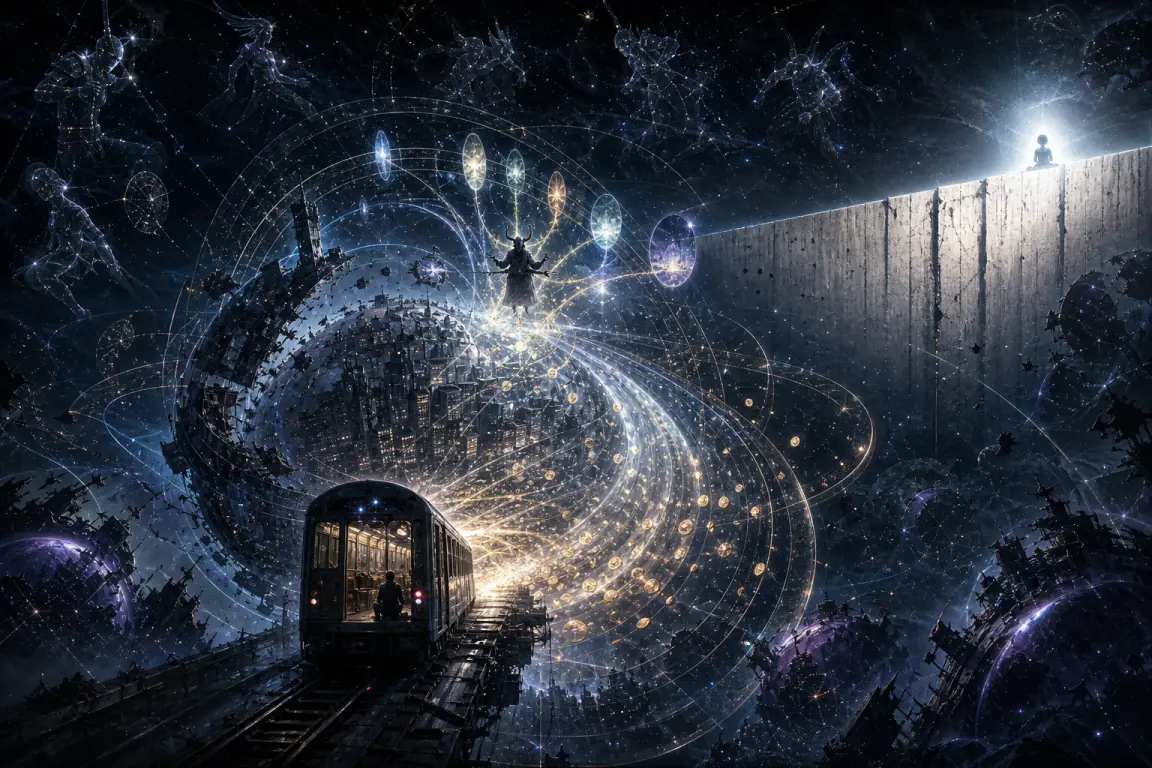
The scenarios, channels, sponsors, Probability law, Story economy, Bureau administration, world-lines, Final Wall, and collapse of the cosmic broadcast order.