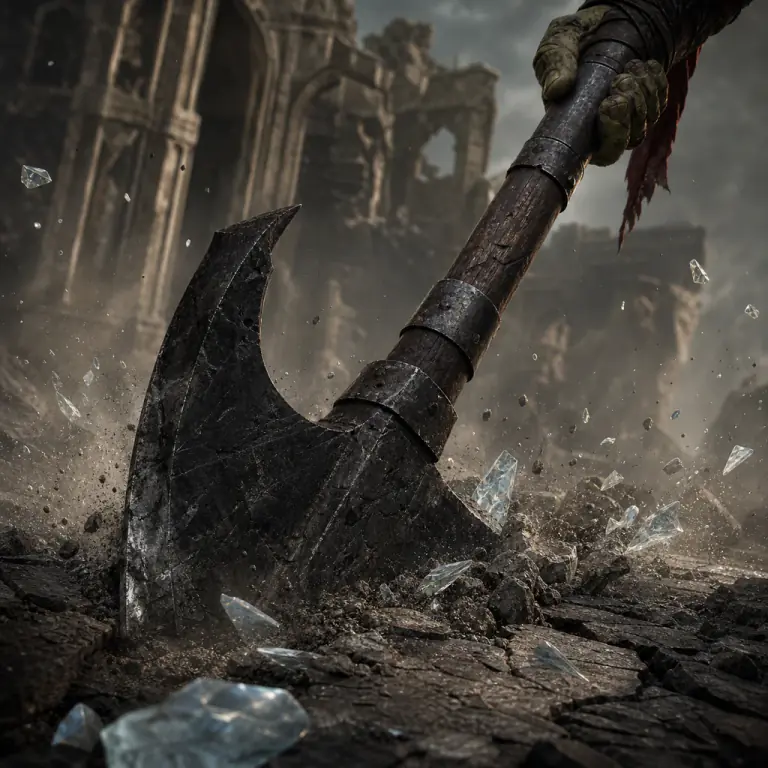
Praise the Orc!
Former special-forces soldier and café owner Jung Ian enters Elder Lord to protect his sister and becomes the orc warrior Crockta, whose code of honor draws him into wars spanning nations, gods, and dimensions.
- Author
- Lee Jungmin
- Status
- Completed
About the novel
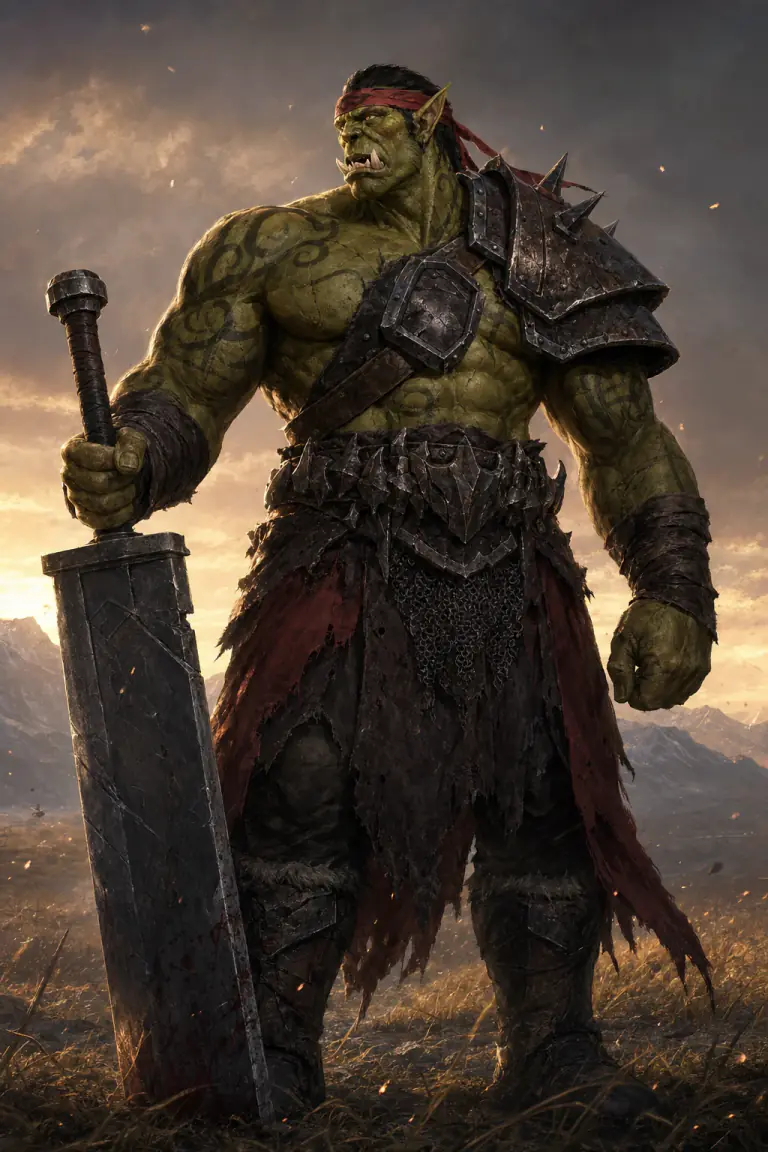
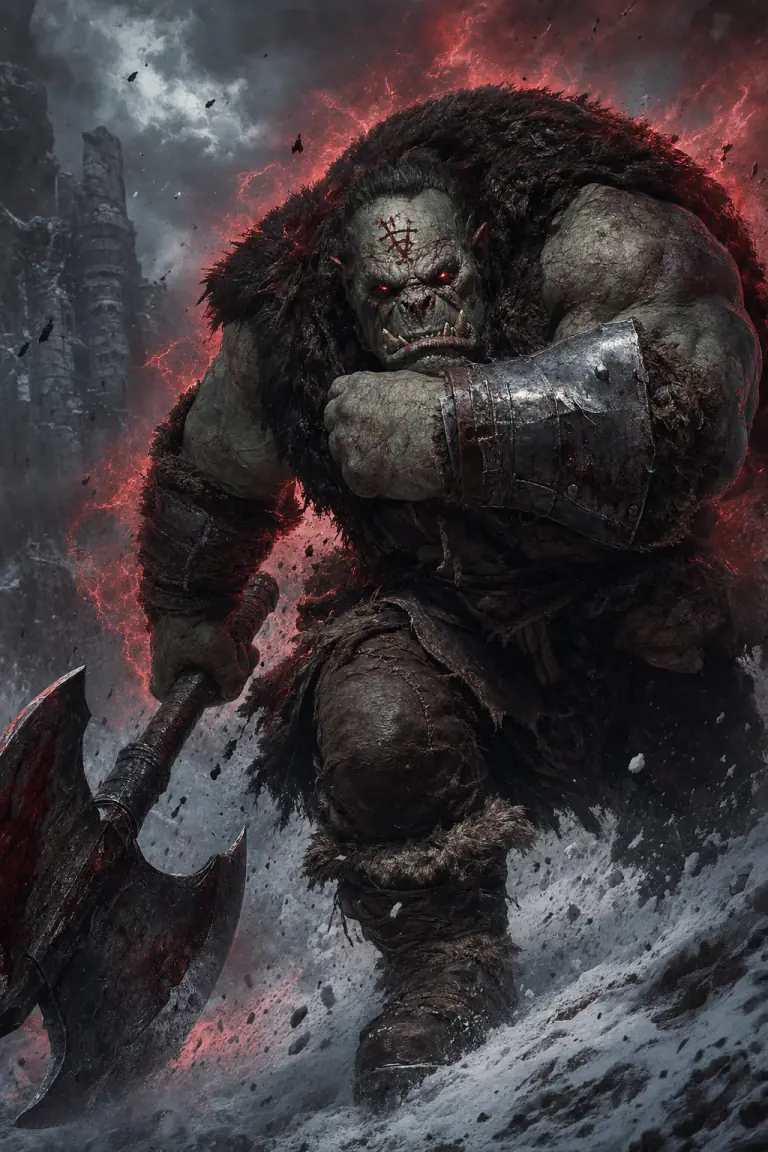
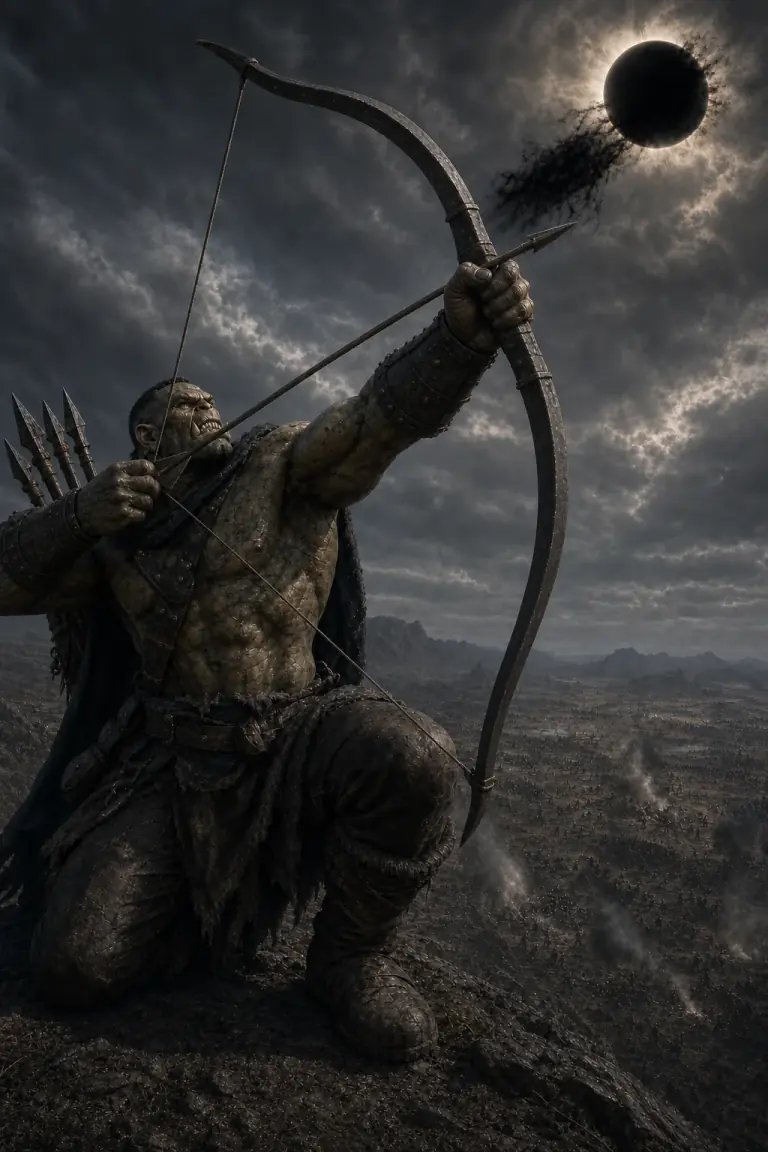
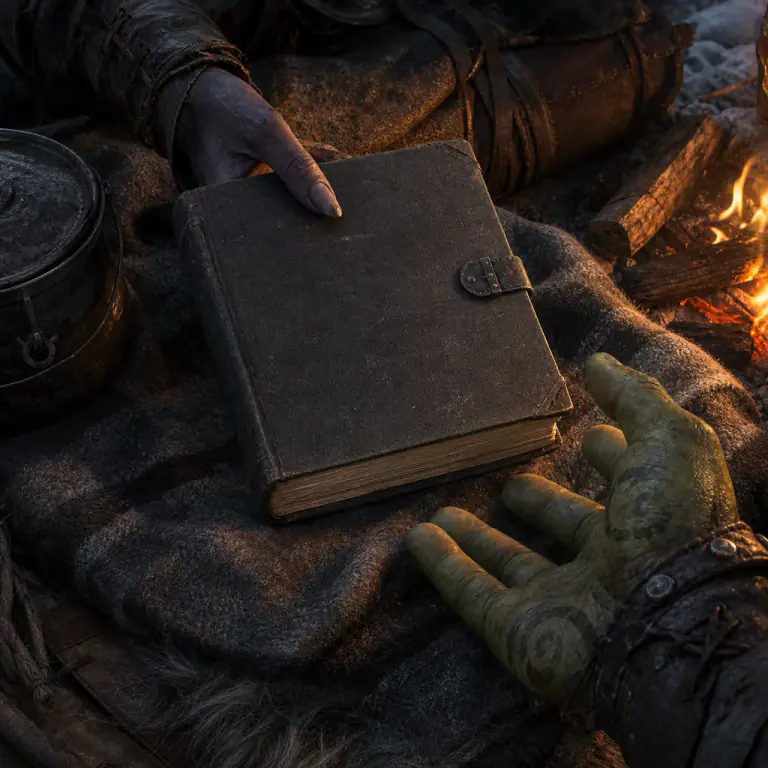
Praise the Orc! follows Jung Ian, a former special-forces soldier and café owner who enters the virtual-reality game Elder Lord because he is worried about his younger sister. Creating the orc Crockta introduces him to Lenox and the warrior laws of Orcrox, where strength is inseparable from honor, responsibility, and the willingness to act when others are threatened. What begins as supervision becomes a life he considers morally real.
Crockta's adherence to the orc code draws him into local injustices, the Great Clan War, conflicts among nations, and a confrontation with the gods governing the world. Companions such as Tiyo and Anor turn his travels into a shared commitment rather than a player's private campaign. The boundary between game and reality becomes increasingly unstable, testing whether a world deserves protection because of its origin or because its people can choose and suffer.
World and warrior progression
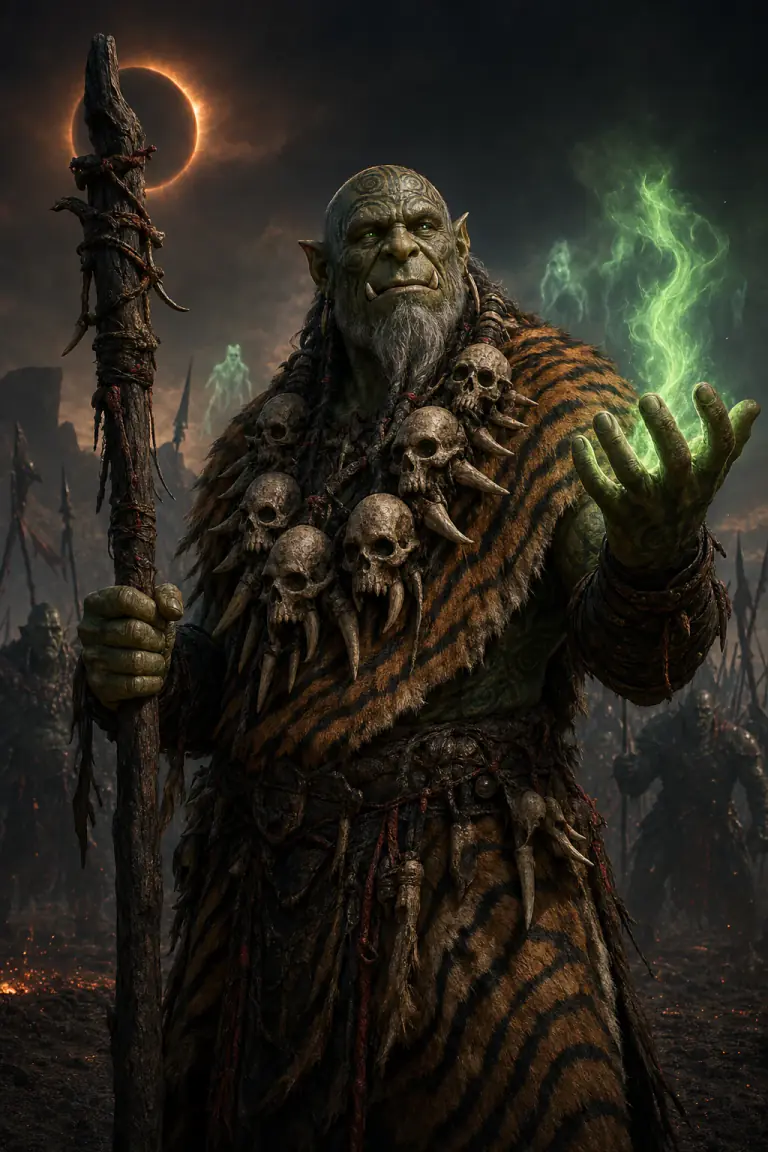
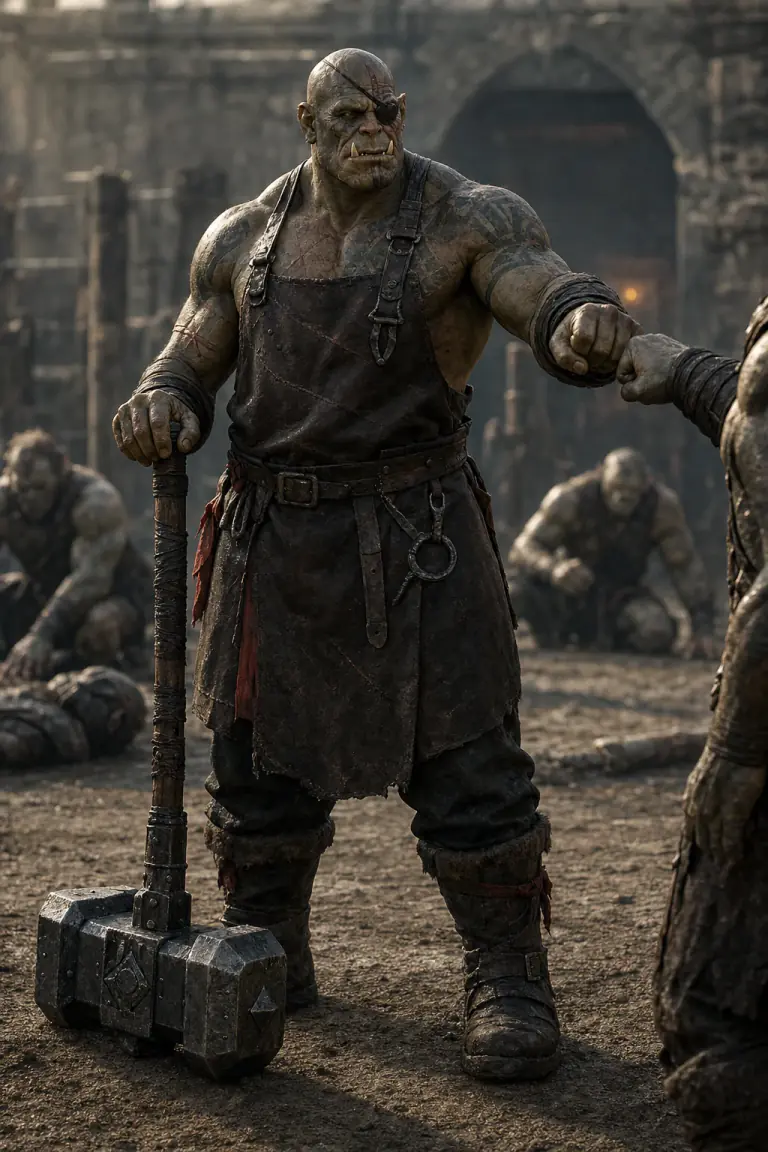
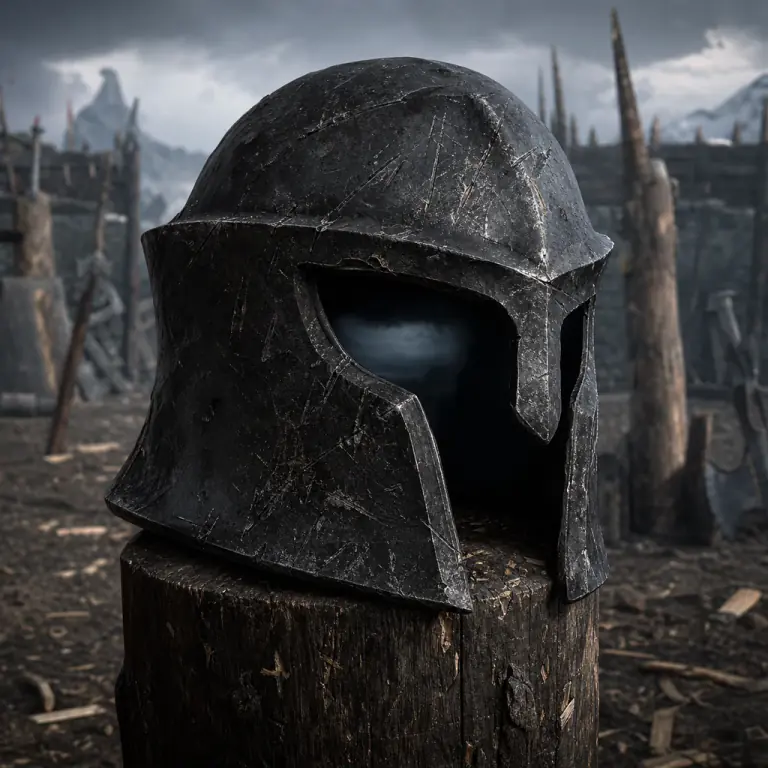
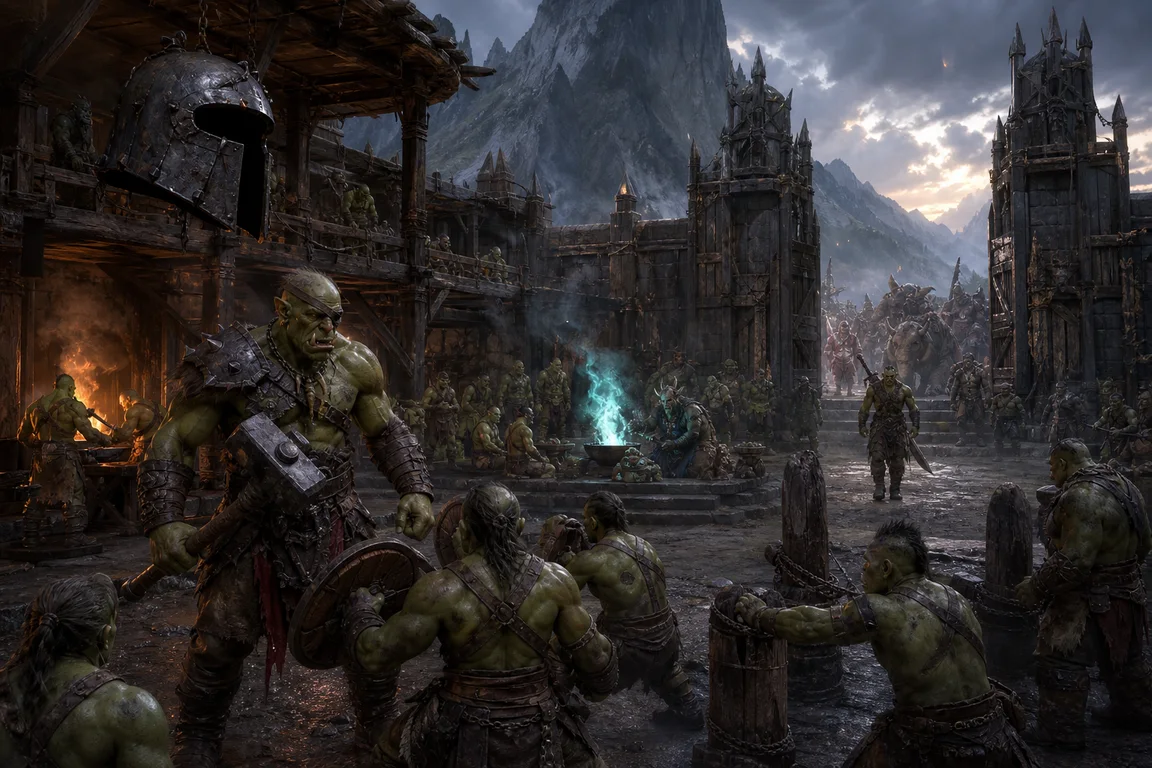
Elder Lord presents players with skills, classes, levels of mastery, quests, and a highly responsive world. Native inhabitants possess independent histories and motivations, while gods and stars influence nations and species through authorities not visible to ordinary players. Orc warriors are shaped by training, tattoos, instructors, and laws that define honorable conduct rather than by brute strength alone.
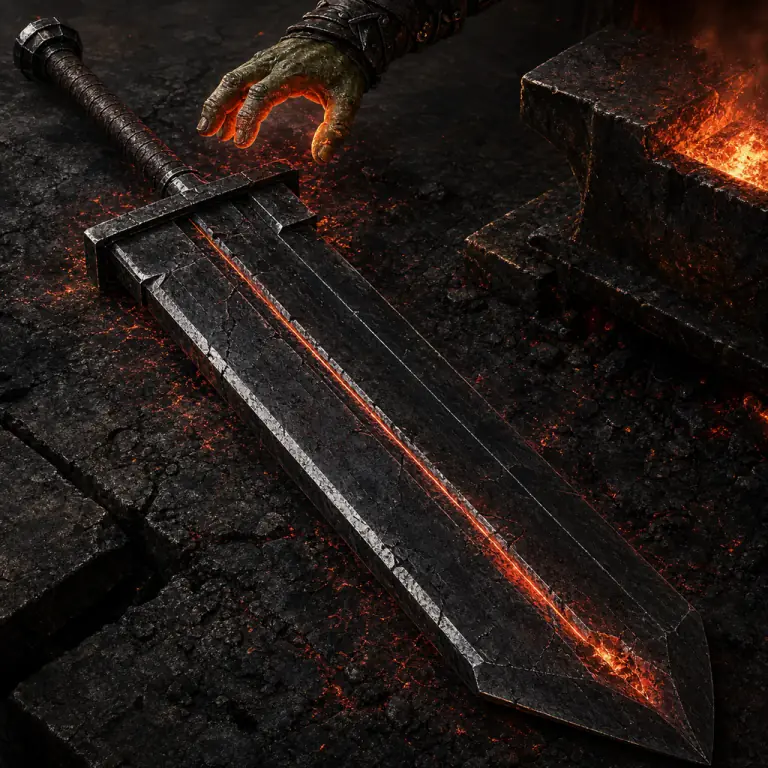
Crockta develops greatsword technique through increasing levels of mastery, battlefield experience, and a state in which perception and action transcend ordinary limits. His military background contributes discipline and judgment, but Elder Lord's martial system must be learned on its own terms. Later dimensional crossings allow powers associated with Crockta to manifest on Earth, showing that advancement cannot be dismissed as statistics confined to a simulation.