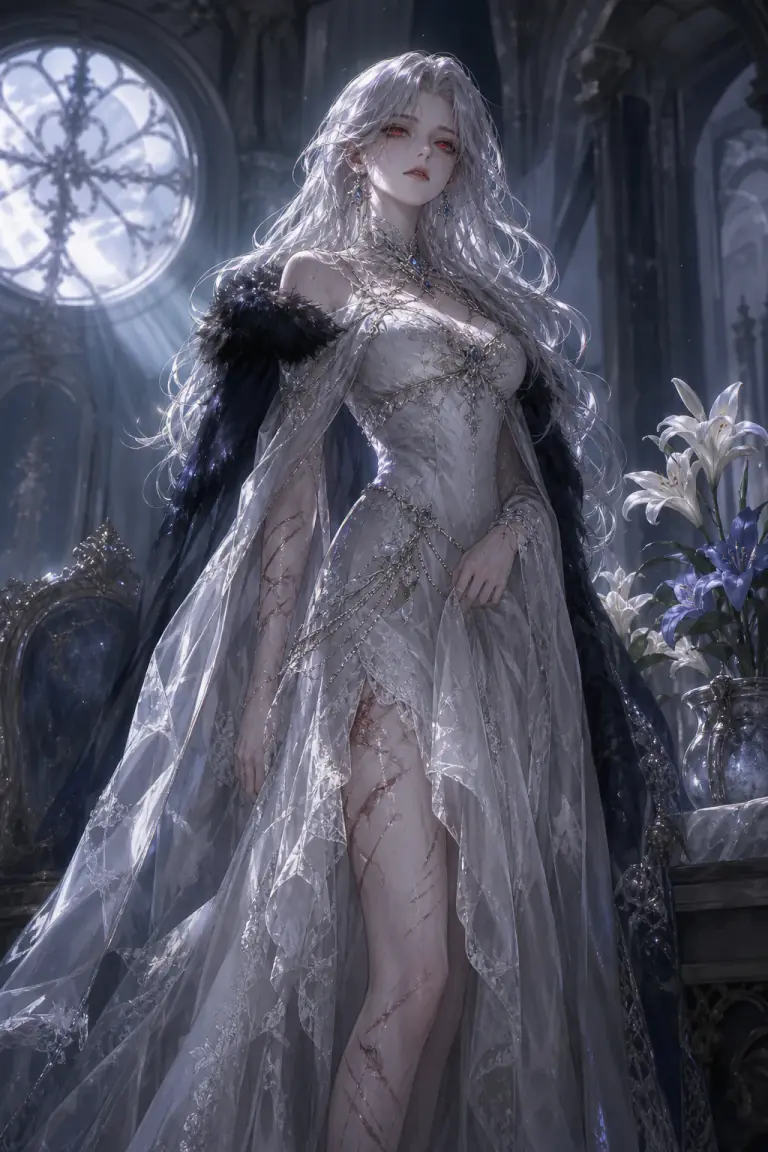
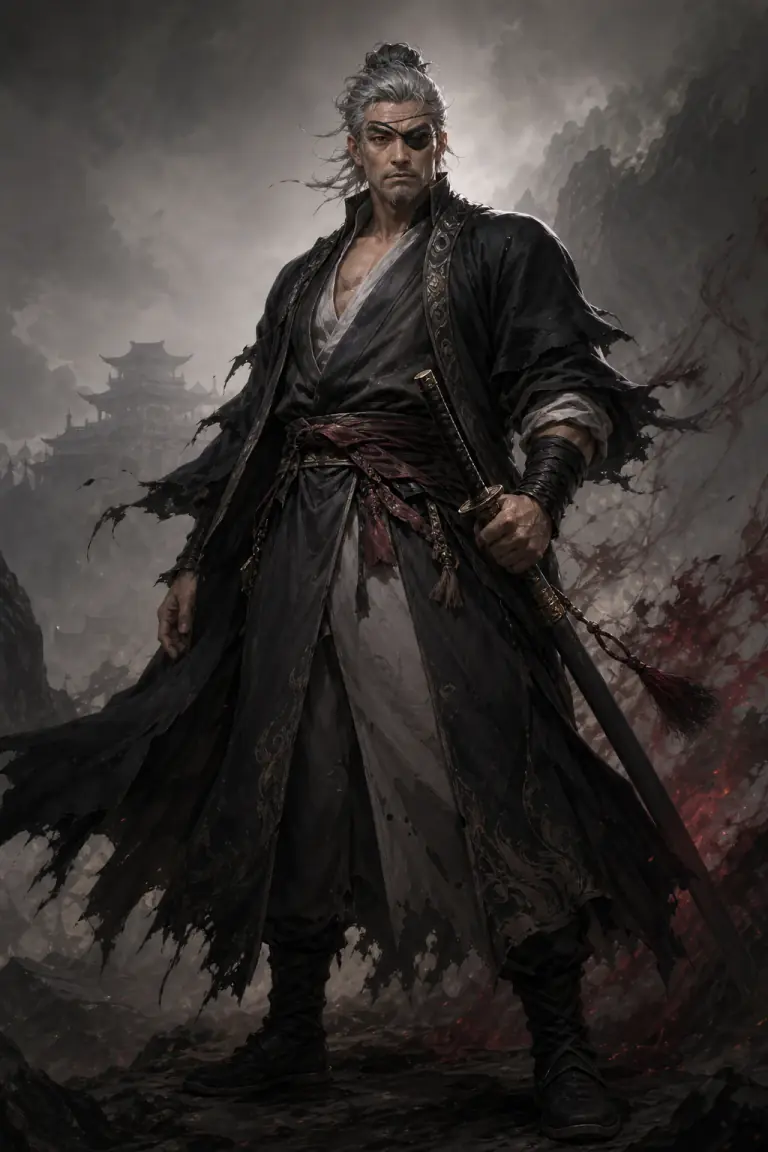
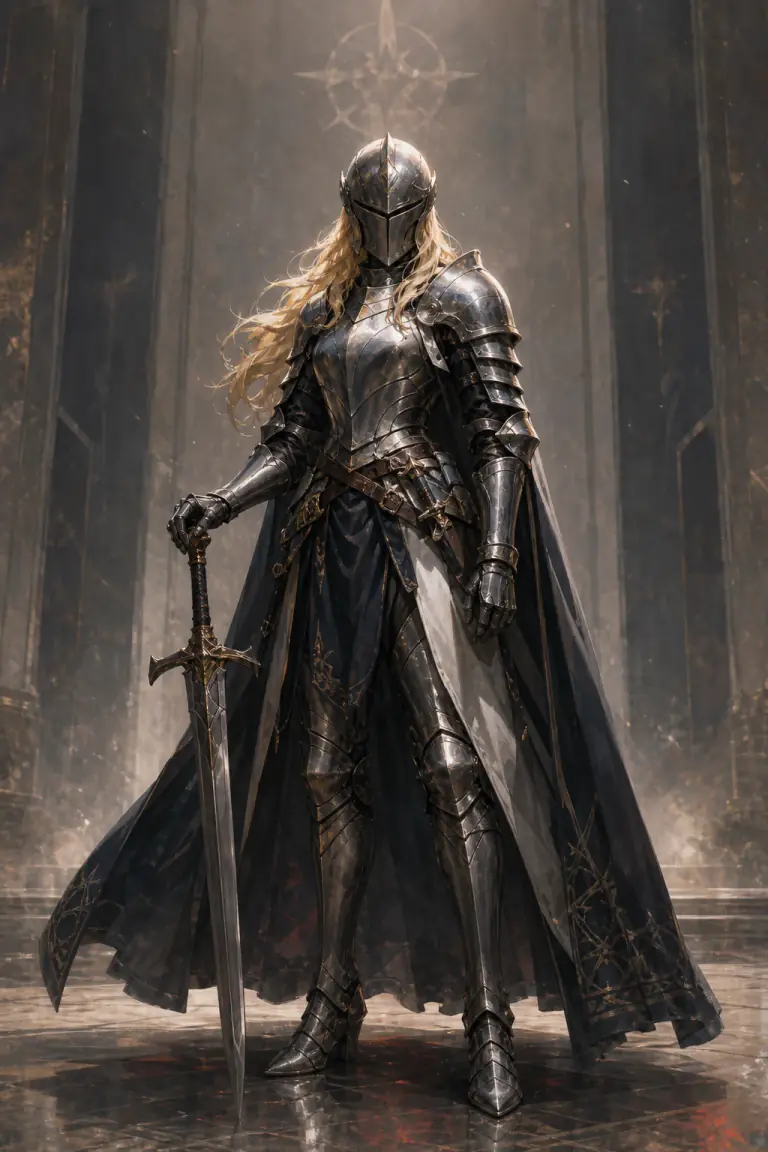
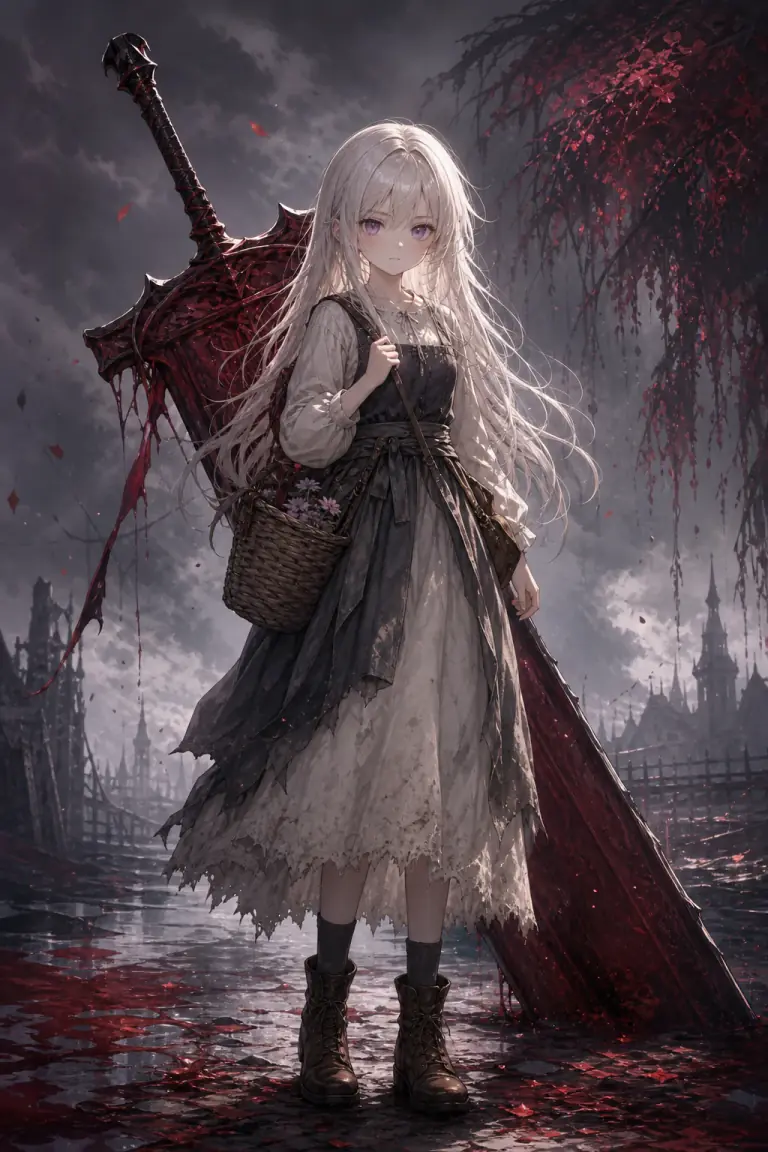
SSS-Class Suicide Hunter
Kim Gong-ja, an obscure hunter consumed by envy, copies a regression skill from Yoo Soo-ha and climbs the Tower by entering other worlds' traumas, building a chosen family, and challenging the powers that govern stages, constellations, and death.
- Author
- Sinnoa
- Status
- Completed
About the novel
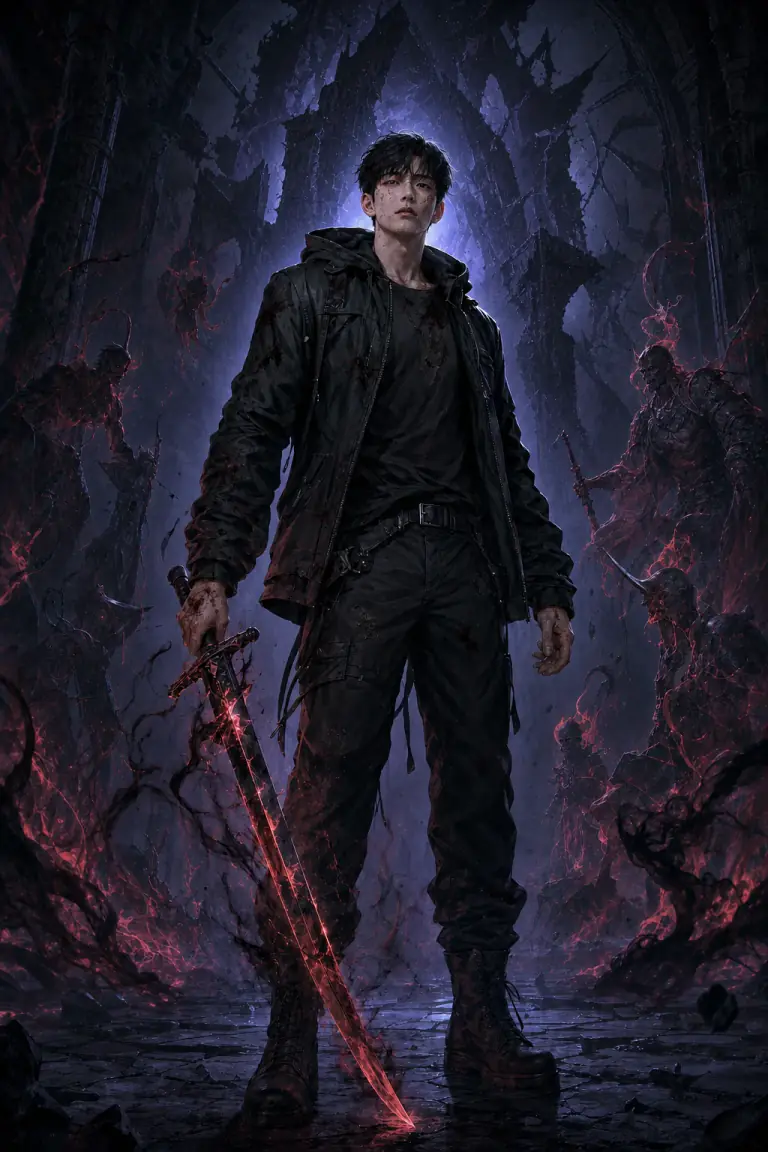
SSS-Class Suicide Hunter begins with Kim Gong-ja as an unknown hunter consumed by envy of the celebrated Yoo Soo-ha. His newly awakened copying ability activates only when he dies; when Yoo Soo-ha kills him, Gong-ja gains a skill that returns him twenty-four hours before death. He uses repeated suicide to prevent a future crime, but the power that could reduce every problem to another attempt instead leads him into the suffering hidden inside the Tower's stages.
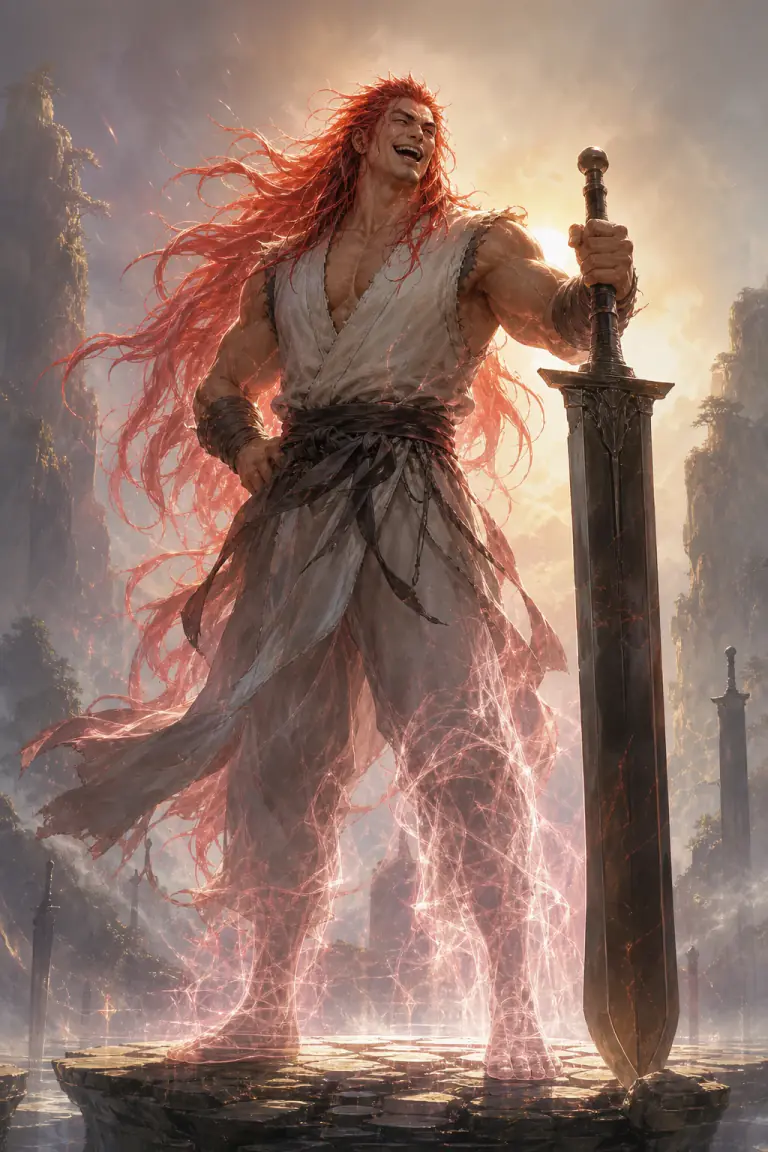
Gong-ja advances by entering stories and refusing to treat their inhabitants as props. Martial artists, a trapped romance, ruined worlds, competing civilizations, and the Tower's own authorities become relationships rather than disposable challenges. A chosen family forms around that commitment, changing the purpose of climbing from fame and rank to creating endings that acknowledge the people who endured each stage.
World and skills
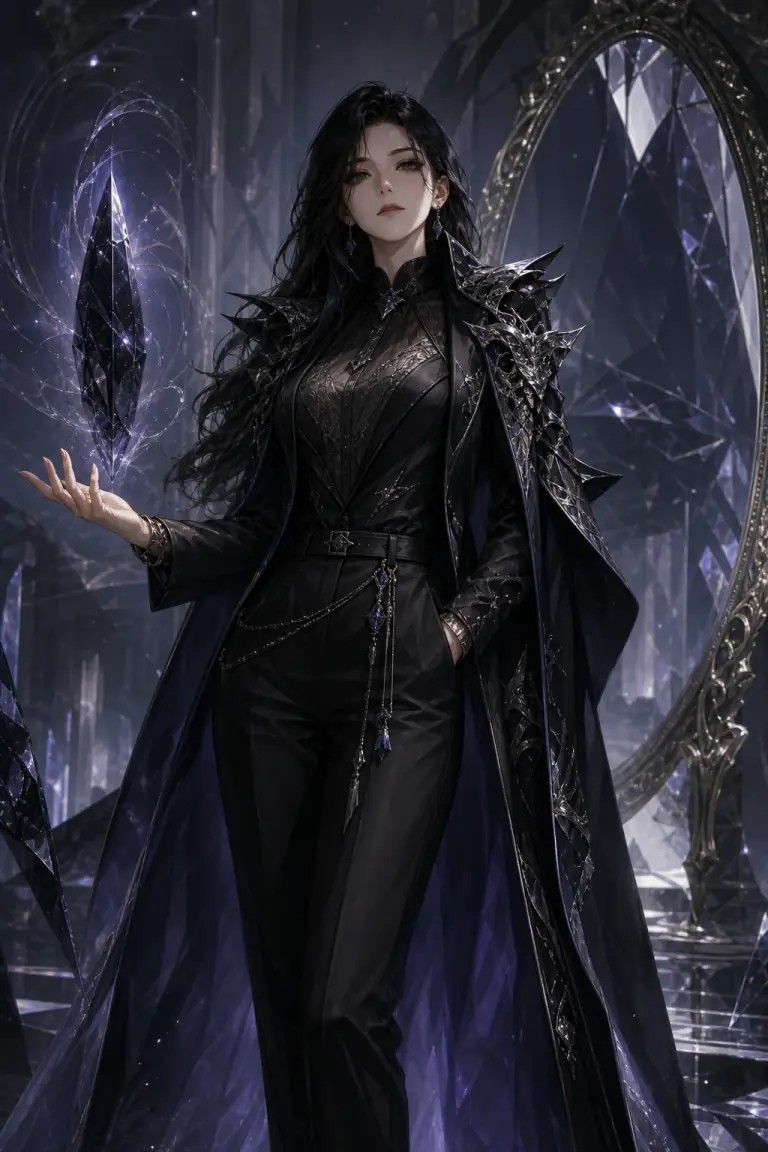
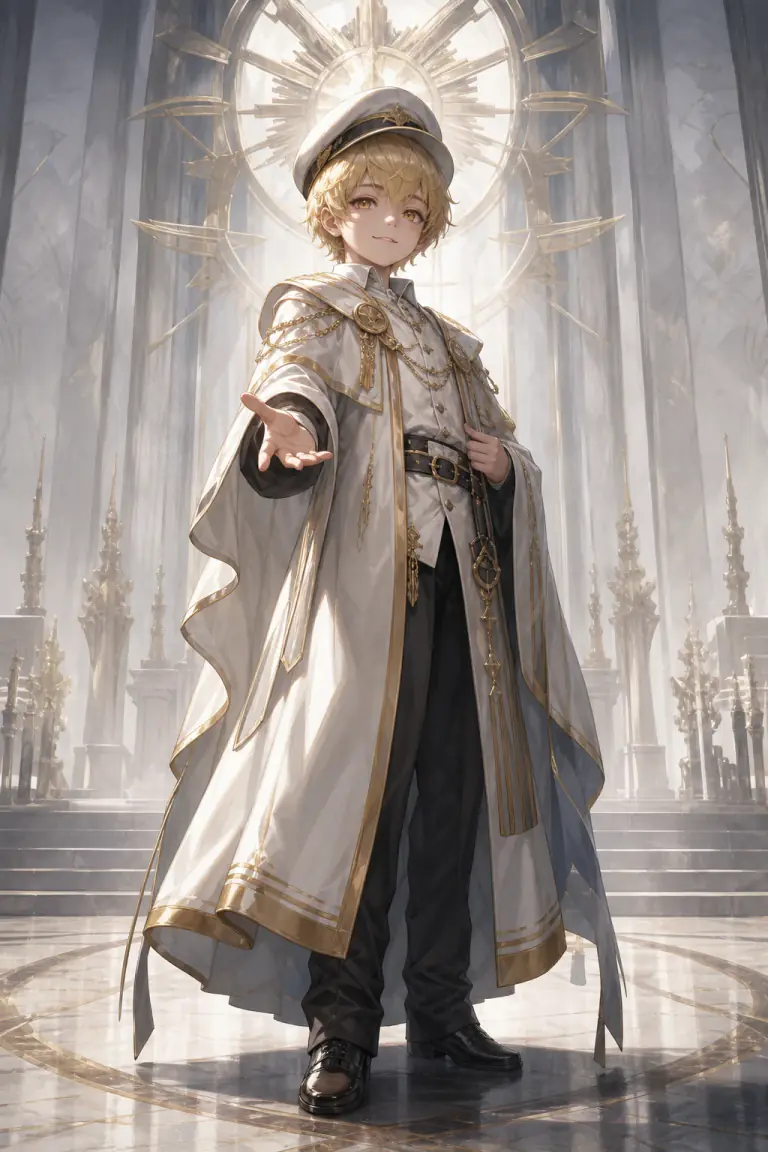
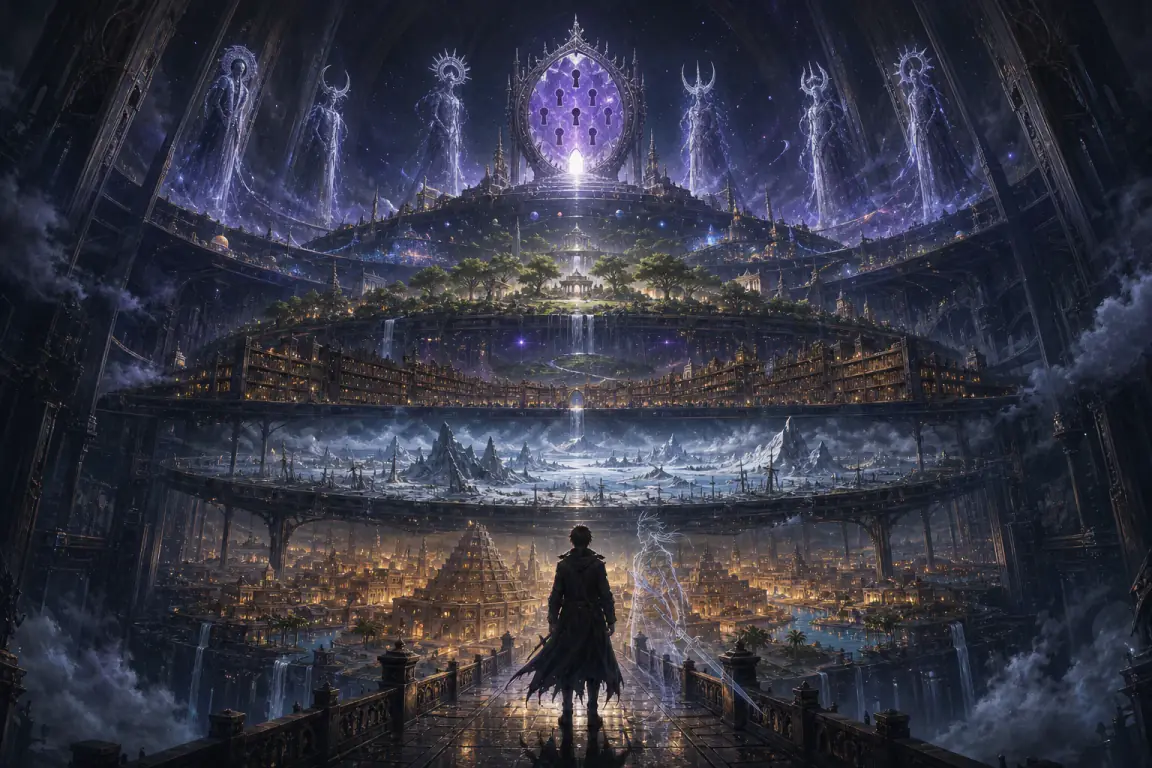
The Tower contains floors governed by quests, stages, administrators, constellations, and guild politics. Hunters awaken ranked skills and gain rewards by clearing scenarios, but the published objective rarely expresses the full human problem inside a floor. Some stages reproduce entire worlds or histories, requiring climbers to understand their inhabitants rather than merely defeat an assigned enemy.
Gong-ja's copying skill takes one ability from the person who kills him, while his regression skill sends his consciousness back one day after death. This combination provides extraordinary information at an equally real emotional cost: he remembers every death and must decide how much suffering to endure or ask others to repeat. Aura, martial arts, constellation authorities, and acquired stories broaden his capabilities, but empathy and interpretation remain the tools that most often change an apparently fixed scenario.