Super Gene
Han Sen discovers an anomalous crystal that lets him accelerate creature evolution inside God’s Sanctuary. Concealing that advantage behind the identity Dollar, he advances through successive biological and martial hierarchies while the mysteries surrounding his family, Bao’er, and the Crystallisers expand across two connected universes.
- Author
- Twelve Winged Dark Burning Angel
- Status
- Completed
About the novel
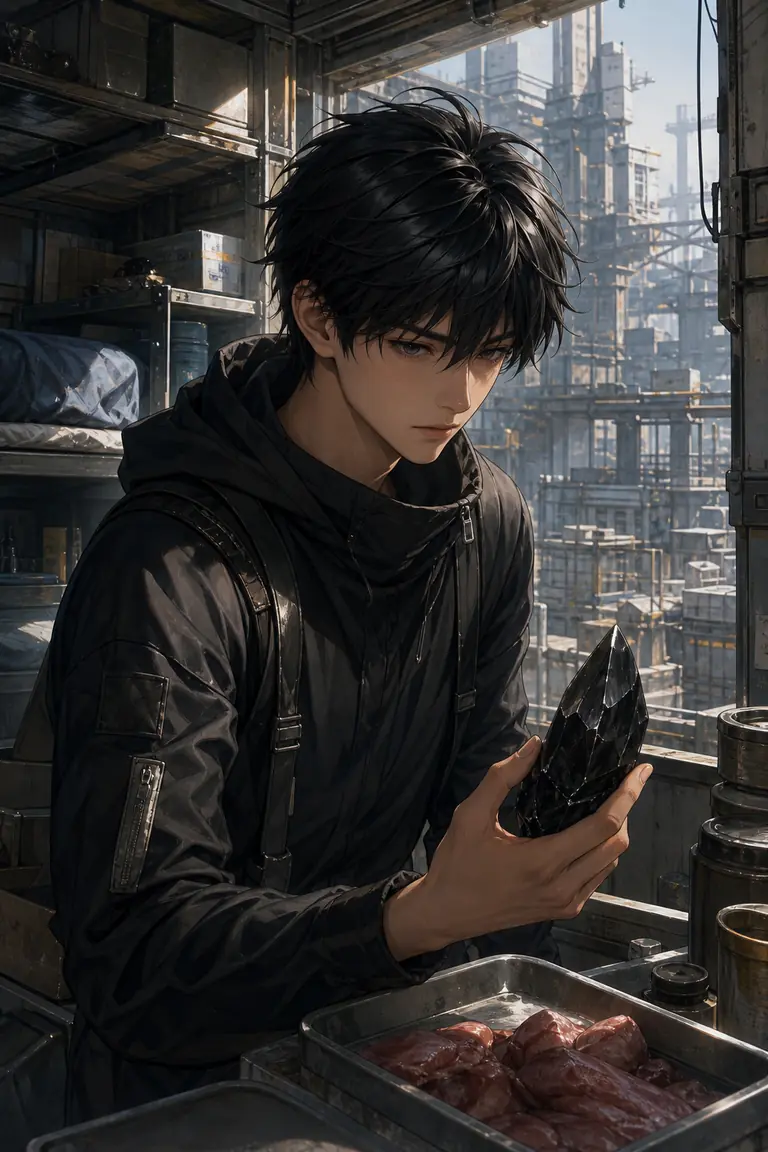
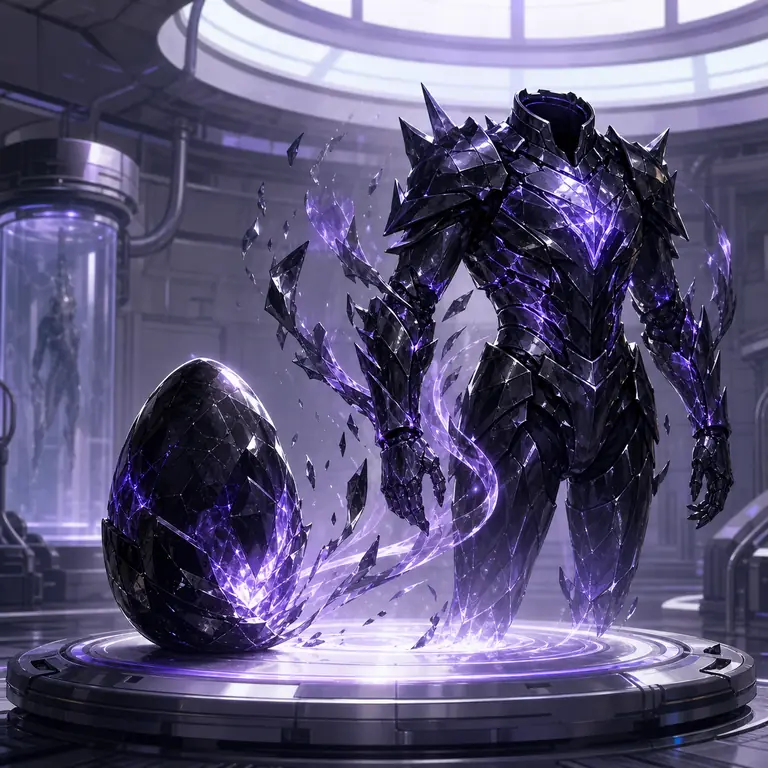
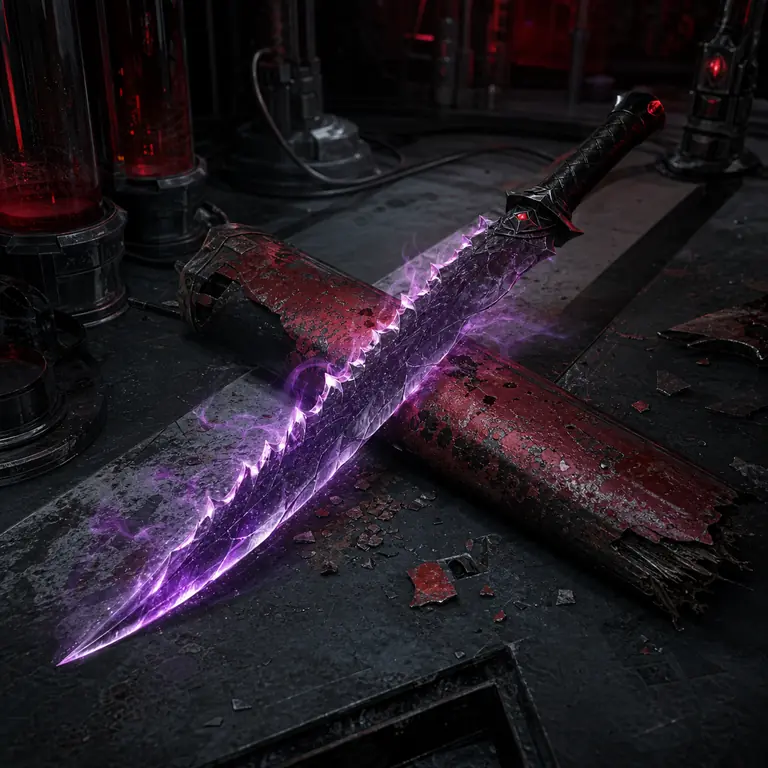
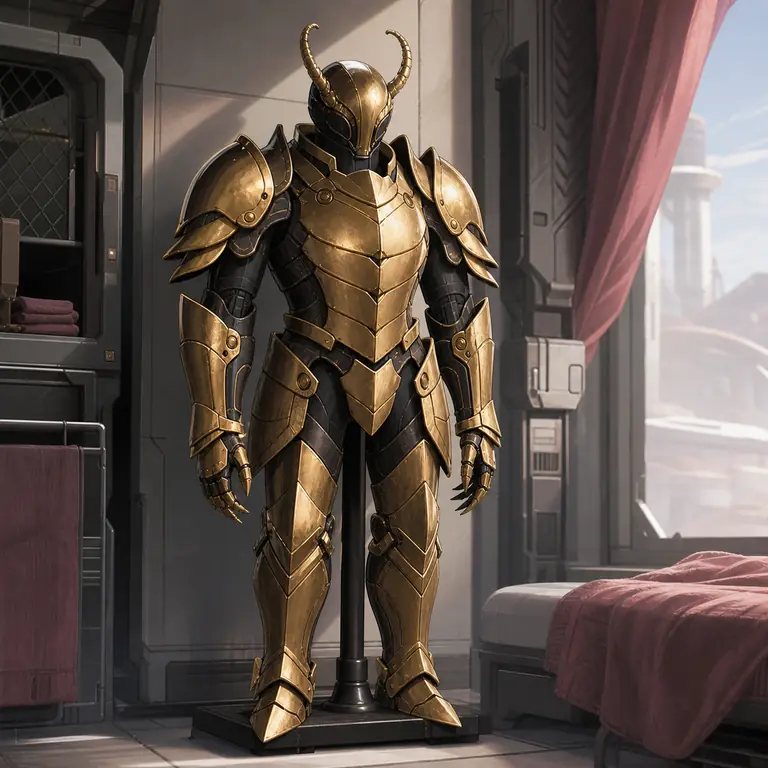
Han Sen enters God’s Sanctuary as an impoverished teenager responsible for helping his mother and younger sister. He has little standing in Steel Armour Shelter until a sacred-blood black beetle leaves behind both a rare beast soul and an anomalous black crystal. The crystal can accelerate the development of creatures, giving Han a hidden route to resources that most sanctuary hunters cannot obtain. He conceals his advantages behind the masked identity Dollar while building a separate public life as a military student, soldier, husband, and father.
The story’s central engine is repeated expansion. Each evolutionary breakthrough opens a more dangerous sanctuary, a wider political order, and a new interpretation of genes, bodies, and inherited potential. Han’s progress therefore depends on more than defeating stronger opponents: he trades, studies martial arts, manages several identities, cultivates alliances, and protects a growing household whose origins become entangled with the same mysteries as his own. Rivals, teachers, spirits, xenogeneics, and family members continue to matter after their introductory conflicts because advancement changes the balance among them rather than simply leaving earlier relationships behind.
What begins as competitive hunting eventually crosses from the human Alliance into the geno universe and an anti-material universe governed by God Spirit Blood-Pulses and gene races. These settings are connected through the Crystalliser legacy, Sacred, the Geno Hall, the God Chaos Party, and the contested Thirty-Three Skies. The widening scale preserves the original tension between private power and public identity: Han repeatedly gains abilities that could destabilize established hierarchies, but using them openly can endanger the people and communities that give those abilities a purpose.
World and progression
The human Alliance is a technological interstellar civilization, but ordinary machines and firearms cease to function inside God’s Sanctuary. Survival there depends on physical training, ancient martial arts, and the biological rewards of hunting. Eating creature flesh supplies geno points, while some kills yield beast souls that can become armour, weapons, transformations, mounts, or summoned fighters. Creature grades begin with ordinary, primitive, mutant, and sacred-blood classes; the discovery of super creatures reveals a higher foundation that can materially change the quality of a human evolution.
The four known sanctuary phases correspond to successive human states: unevolved people begin in First God’s Sanctuary, then advance through evolver, surpasser, and demigod status as they enter later sanctuaries. Maximum geno-point foundations improve the result, but do not remove the need for skill or resources. Geno arts may open gene locks independently, and Fourth Sanctuary fighters develop self geno cores through bronze, silver, gold, gemstone, and super grades. Because a person can train several arts and cores at once, a single label never fully describes combat ability; equipment, elemental compatibility, bodily fitness, and temporary states can all alter an encounter.
Beyond the sanctuaries, the geno universe uses a noble-class ladder from Baron through Viscount, Earl, Marquise, Duke, King, and Deified. King-class power is divided into areas, while Deified beings pass through primitive, transmutation, larva, butterfly, and true-god stages. Racial institutions such as Narrow Moon, Sky Palace, the Extreme King, the Very High, and Sacred control access to techniques, territory, and rare resources. Patronage can accelerate advancement, but it also creates obligations: students become political assets, silkworms expose their senses to Very High observers, and rare bodies invite capture or experimentation.
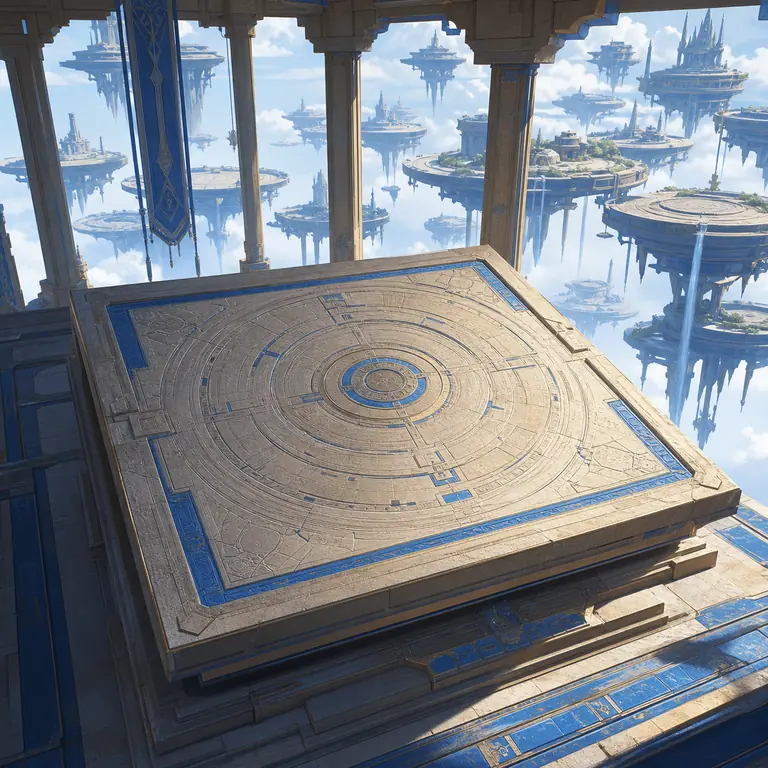
The anti-material universe organizes human society around God Spirit Blood-Pulses and compatible gene races. Its divine hierarchy—Destruction, Disaster, Annihilation, and Reboot—intersects with, but does not replace, the geno universe’s ranks. Late-stage fighters can enter Break World states measured by a rate of released power, while Universe class represents a still rarer terminal condition rather than an ordinary numbered promotion. The Geno Tablet and Thirty-Three Skies join these systems physically and politically, turning progression into a struggle over whether one person or institution should be able to rewrite the conditions under which either universe survives.